
Picture this: It’s early morning, the pavement is slick with frost, and a fresh layer of slush coats the path to your car. You need to get out there, but your old sneakers won’t cut it. Your feet will be freezing and soaked in minutes. This scenario is a familiar one for many women as winter approaches, and it often leads to a search for affordable, reliable winter boots. Lidl often stocks a range of winter footwear, but knowing which pair will genuinely protect your feet without breaking the bank requires careful consideration. This guide helps you navigate the 2026 Lidl winter boot selection for women, ensuring you pick the right pair for your specific needs.
Understanding Winter Boot Waterproofing Standards
When selecting winter boots, waterproofing is arguably the most critical feature, especially if you anticipate snow, slush, or rain. Many budget boots claim to be "water-resistant," but this often means they will repel light drizzle for a short period, not stand up to sustained exposure to wet conditions. A truly waterproof boot uses specific construction methods and materials to create an impenetrable barrier against moisture.
Look for boots that explicitly state they are waterproof, not just water-resistant. This usually involves a membrane integrated into the boot’s lining, often made from materials like a "tex" fabric (Lidl often uses its own branded membranes, similar to popular outdoor brands). This membrane has microscopic pores large enough to allow water vapor (sweat) to escape, but small enough to prevent liquid water from entering. Without a proper membrane or sealed seams, water will eventually seep through stitching or material gaps.
Hydrostatic Head Rating Explained
For a more technical assessment, some boot manufacturers will provide a hydrostatic head rating, measured in millimeters (mm). This number indicates the height of a water column the fabric can withstand before water penetrates. For winter boots, a rating of 3,000mm to 5,000mm is typically considered waterproof for general use in rain and light snow. For more extreme conditions, or if you plan to stand in deeper puddles, you might look for ratings closer to 8,000mm or higher, although these are less common in budget-friendly options.
Sealed Seams and Gusseted Tongues
Even with a good waterproof membrane, the construction of the boot matters. Sealed seams are crucial; these are taped or glued to prevent water from entering through the stitching holes. If seams are not sealed, the waterproof membrane becomes largely ineffective. Another important detail is a gusseted tongue, where the tongue is connected to the boot along its sides, forming a continuous barrier that stops water from entering through the lace area. Without this, water can easily splash over the edge of the tongue and into the boot.
Key Features to Prioritize in Lidl Winter Boots

Beyond waterproofing, several other features dictate a boot’s effectiveness and comfort throughout the colder months. Prioritizing these elements ensures you get the most value from your purchase, especially when working within a budget.
First, consider insulation. Lidl winter boots will typically feature synthetic insulation, which remains effective even when damp, unlike down. The amount and type of insulation determine the boot’s warmth rating. Some boots might specify a comfort temperature, such as "comfort rated to -10°C." This rating gives you a practical benchmark for expected warmth. For daily commutes in moderately cold climates (above -5°C), a lighter synthetic insulation will suffice. If you live in a region with consistently sub-zero temperatures, or plan extended outdoor activities, look for a thicker layer of insulation, often indicated by a plush lining or a higher "grams of insulation" number, though this level of detail is less common with budget brands.
Second, traction is non-negotiable for winter safety. The outsole of a winter boot needs to provide reliable grip on slippery surfaces like ice, snow, and wet pavement. Inspect the tread pattern closely. Deep, multi-directional lugs are ideal for digging into snow and mud, while a softer rubber compound can enhance grip on ice. Avoid boots with smooth or shallow treads, as these offer minimal protection against slips and falls. Lidl boots often feature proprietary sole designs, but the principle remains: look for aggressive patterns and a rubbery, rather than plasticky, feel to the sole material.
Third, comfort and fit are paramount. You will likely be wearing thick socks with your winter boots, so ensure there is enough room without being too loose. The footbed should offer some cushioning and arch support, especially if you’ll be on your feet for long periods. Pay attention to the shaft height; ankle boots offer flexibility for driving, while mid-calf or knee-high boots provide more protection against deep snow and cold. A side zipper can greatly aid in donning and doffing, especially for boots with a tighter shaft or for those with limited mobility.
Material Durability and Maintenance
Lidl boots often utilize synthetic uppers, which are typically durable and easy to maintain. Some models might incorporate a PU-coated leather or textile. Regardless of the material, check for double stitching in high-stress areas. The durability of the laces and eyelets also plays a role in the boot’s lifespan. To extend the life of your boots, regularly clean off salt and dirt with a damp cloth and allow them to air dry completely away from direct heat sources.
Common Mistakes When Buying Budget Boots
- Prioritizing style over function: It’s easy to be drawn to a fashionable boot, but if it lacks proper insulation or waterproofing, it will be a source of misery, not warmth. A stylish boot that leaves your feet cold and wet is a poor investment, regardless of the price. Always ensure core winter performance features are met first.
- Ignoring fit for thick socks: Many buyers try on boots with thin everyday socks, only to find them uncomfortably tight when they switch to thermal winter socks. Always try on winter boots with the type of socks you intend to wear with them. This often means going up half a size from your usual shoe size.
- Assuming "water-resistant" means "waterproof": As discussed, these terms are not interchangeable. A "water-resistant" boot might handle a brief walk in light rain, but it won’t protect you from slush puddles or continuous snowfall. For genuine winter protection, waterproof is essential.
- Overlooking sole traction: A smooth or lightly grooved sole is dangerous on icy or snowy surfaces. Always inspect the sole for aggressive, multi-directional tread patterns designed for grip. A boot might be warm and dry, but if you’re slipping everywhere, it’s not safe.
- Not checking for construction quality: Even with budget boots, a quick inspection can reveal flaws. Look for even stitching, securely attached soles, and no visible gaps where the upper meets the sole. Loose threads or poor finishing can indicate areas prone to failure.
- Buying too early or too late: Lidl’s seasonal stock is often limited. If you wait until the first big snowfall, the best sizes and styles might be gone. Conversely, buying too far in advance means you can’t test them in actual cold conditions right away. Aim to buy just as the temperatures start to drop, allowing time for exchange if needed.
Lidl Winter Boot Types: A Quick Comparison (2026 Estimates)

Lidl typically offers a few distinct styles of women’s winter boots each year, catering to different needs. While specific model names vary, their general characteristics remain consistent. Here’s a breakdown of what you might find and their ideal use cases:
| Boot Type (Lidl Estimate) | Key Features | Ideal Use Case | Estimated Price Range (2026) |
|---|---|---|---|
| Lidl Thermal Snow Boot | High shaft, thick synthetic insulation, drawstring top, rugged lug sole, often fully waterproof. | Deep snow, prolonged outdoor exposure, extremely cold conditions, snow shoveling. | €29.99 – €39.99 |
| Lidl Waterproof Hiker Boot | Mid-ankle height, moderate insulation, waterproof membrane, sturdy laces, good traction, often textile/synthetic upper. | Daily commutes in snow/sleet, light hiking, city walking on mixed terrain. | €24.99 – €34.99 |
| Lidl Everyday Ankle Boot | Lower ankle height, light fleece lining, often water-resistant (not fully waterproof), side zipper or elastic inserts, flatter sole. | Dry, cold days, minimal snow, casual wear, short errands. Not for slush. | €19.99 – €29.99 |
It’s important to cross-reference these general types with the specific product information available in-store or on Lidl’s website for 2026. Details like exact insulation thickness and waterproofing levels are key.
The Verdict on Lidl Boot Value for 2026
Lidl winter boots consistently offer exceptional value for their price point. While they may not have the extreme durability or advanced features of premium outdoor brands, for most everyday winter scenarios—commuting, running errands, light outdoor activity—they deliver reliable warmth and protection. The key is choosing the right type of Lidl boot for your specific needs and understanding their limitations.
My Top Pick for Icy Pavements and Slushy Commutes
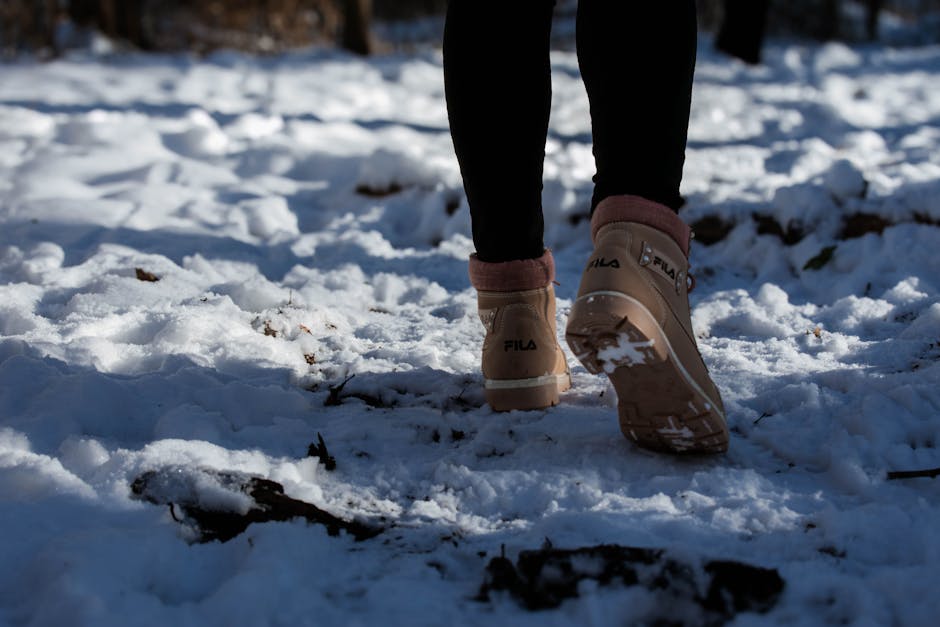
For navigating the treacherous mix of icy pavements and slushy commutes, my unequivocal recommendation from Lidl’s typical offerings would be the Lidl Waterproof Hiker Boot. This specific type of boot strikes the best balance between crucial winter features and everyday practicality. It offers a reliable waterproof membrane, which is non-negotiable for slush. The mid-ankle height provides ample protection from splashes and moderate snow depth without being overly bulky for driving or desk jobs. Crucially, this style almost always features a more aggressive, multi-directional lug sole compared to the more casual ankle boots, offering superior traction on slippery surfaces. The lacing system also allows for a more secure and adjustable fit, important for stability when walking on uneven, slick ground. While the Thermal Snow Boot might offer more insulation, its bulk can be cumbersome for daily urban life. The Waterproof Hiker Boot is the workhorse you need.
Why the Hiker Boot Excels for Commuting
The structured design of the hiker boot typically provides better ankle support, which is a significant advantage on icy patches where twisting an ankle is a real risk. Its sturdy construction also means it can withstand more abuse from daily wear than lighter, fashion-focused options. The insulation, while not extreme, is usually sufficient to keep feet warm during typical commutes and short outdoor stints down to -10°C, especially when paired with quality wool socks. This combination of features makes it the most versatile and safest choice for women facing typical winter challenges.
Answering Your Lidl Boot Questions for 2026
Are Lidl winter boots genuinely waterproof?
Only models explicitly labeled "waterproof" with a membrane (often branded as "Tex" or similar) and featuring sealed seams are genuinely waterproof. "Water-resistant" models offer minimal protection against prolonged wetness or deep puddles. Always check the specific product description for the highest level of waterproofing.
What insulation level can I expect in Lidl boots?
Lidl boots typically use synthetic insulation. For their Thermal Snow Boots, you can expect comfort ratings down to approximately -10°C to -15°C. Their other waterproof models, like the Hiker Boot, usually offer warmth down to around -5°C to -10°C, suitable for most urban winter conditions. Specific temperature ratings will be on the product tags.
Do Lidl winter boots run true to size?
Generally, Lidl boots tend to run true to size, but it’s advisable to try them on with the type of socks you plan to wear. Many people find going up half a size (if available) or even a full size for thick thermal socks provides the most comfortable fit without compressing the insulation or restricting blood flow, which can lead to colder feet.
How durable are the soles on Lidl winter boots?
The durability of Lidl boot soles is generally good for their price point, designed for seasonal use. The more rugged options, like the Thermal Snow Boot or Hiker Boot, feature rubber outsoles with deeper lugs that resist abrasion and provide decent traction. For optimal lifespan, avoid excessive wear on abrasive surfaces like dry asphalt if the boot is primarily designed for snow.
So, the next time that cold, slushy morning hits, you’ll be ready. By applying these practical insights to Lidl’s 2026 winter boot selection, you can confidently choose a pair that keeps your feet warm, dry, and secure, ensuring you tackle the winter elements without a second thought.