
Most belts don’t cinch anything. They sit on your hips, blur your waistline, or cut your torso in half at the wrong point. The ones that actually work — the kind that pull an hourglass shape from a shapeless dress or a baggy blazer — do exactly three things right: correct width, correct material, correct placement.
This is not complicated. But most styling advice skips the specifics entirely.
Why Belt Width Is the Only Variable That Actually Matters
Belt width creates optical effects on the body. Everything else — color, buckle style, hardware — is secondary to this one decision.
A narrow belt (under 1 inch) sits on the waist but doesn’t visually anchor it. It reads as an accent, a fine detail. On someone with a naturally defined waist, it can be lovely. On someone trying to create that definition, it does almost nothing. The line is too thin to direct the eye.
A medium belt (1.5 to 2 inches) is the true workhouse of waist definition. Wide enough to signal “this is where the waist is” without dominating the outfit, it works across most body types and outfit combinations — structured trousers, midi dresses, oversized blazers, denim. It’s also the most forgiving: if placement is slightly off, a 2-inch belt compensates where a narrower one would expose the error.
A wide belt (2.5 to 4 inches) is a corset-style tool. These were standard in the 1980s for a reason — they physically frame and compress the midsection. The Totême wide leather belt ($350) and similarly structured pieces genuinely reshape silhouette. But they only work on longer torsos. If the distance between your ribs and hip bone is less than 3 inches, a 4-inch belt covers most of your natural waist and eliminates definition instead of creating it.
Measure the distance between your natural waist and the top of your hip bone before buying. Under 3 inches: stay at 2 inches maximum. Four inches or more: wide belts are your best tool.
Where Obi Belts Fit In
Obi belts — wide fabric wraps drawn from Japanese kimono sashes — sit in their own category. Typically 3–5 inches wide but made from soft fabric rather than structured leather, they drape rather than compress. The Free People Rio Obi Belt ($48) and similar wrap styles can be manually positioned to land exactly where your waist is narrowest. This makes them viable on shorter torsos where a rigid wide belt would fail entirely.
When Width Logic Conflicts With Outfit Proportion
A structured midi dress with built-in waist seaming doesn’t need a 3-inch belt — the garment is already doing that work. Adding a thick belt creates a duplicate signal and the outfit looks overworked. Save wide statement belts for garments with no inherent shape: shift dresses, linen shirts, oversized knits. On already-fitted pieces, thin or medium belts are enough.
Belt Width and Body Proportion: A Decision Table

Use this as a starting point, not a rigid rule. Torso length is the most reliable predictor of which belt width will work — but the specific garment and where you’re wearing it will sometimes override these defaults.
| Torso Length | Recommended Width | Best Belt Styles | Avoid |
|---|---|---|---|
| Short (under 3″ ribs to hip) | 1–2 inches | Medium leather, fabric tie belts | Corset belts, obi wraps over 4″ |
| Average (3–4″ ribs to hip) | 1.5–3 inches | Wide leather, structured wrap belts | Ultra-thin belts under 1″ — they disappear |
| Long (4″+ ribs to hip) | 2–4 inches | Corset belts, wide obi styles, statement pieces | Anything under 1″ — loses visual weight entirely |
| Petite overall (under 5’3″) | 1–1.5 inches max | Thin leather, delicate chain belts | Wide belts that break the body into thirds |
| Tall (over 5’8″) | 2–4 inches | All widths, especially bold wide styles | Very thin belts read as proportionally slight |
The table identifies your starting point. From there, material determines whether your choice actually holds up throughout the day.
Material Controls Whether the Belt Holds Its Shape
This matters more than most people realize. A belt made from the wrong material for its width will roll, droop, or bunch — and no amount of styling will fix it.
- Full-grain leather: The most reliable material for structured waist definition. It holds its shape, doesn’t stretch, and sits flat against the body. The Madewell The Essential Belt ($42) is a solid mid-range example. Real leather belts from Everlane and A.P.C. run $65–$175 and outlast multiple wardrobe changes.
- Faux leather / PU: Acceptable at 1.5–2 inches if the construction is stiff enough. Thin, cheap PU rolls outward at the edges after a few wears. The ASOS Design wide leather-look belt ($28) holds up better than most in this range because the material is thick enough to have structural integrity.
- Elastic and stretch belts: Comfortable, but the wrong tool for waist cinching. Stretch belts shift throughout the day, gather fabric underneath, and never anchor in a fixed position. Avoid them if your goal is defined silhouette.
- Fabric (canvas, suede, satin, linen): Best for soft looks. The H&M Tie Belt (~$18) in canvas is a good casual option. These suggest rather than enforce waist definition — ideal on already-structured garments where you want a finishing touch rather than structural work.
- Chain belts: Visual definition only. No physical cinching. Useful over a fitted dress when you want to draw the eye to the waist without adding bulk or stiffness.
The Placement Mistake That Cancels Out Everything
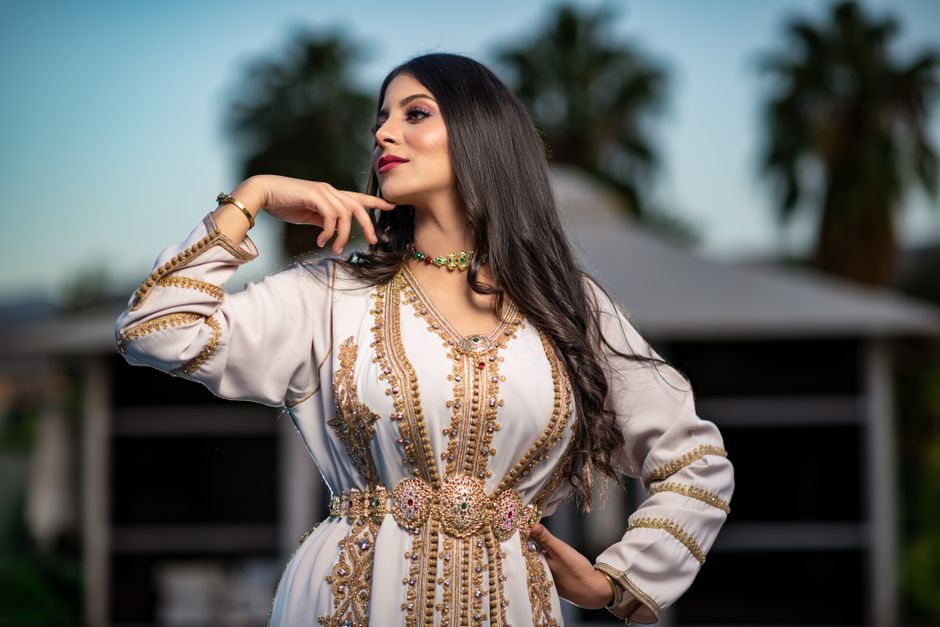
Wearing a belt at your trouser waistband places it at the hip — not the waist. The natural waist sits approximately 2–3 inches above the navel, at the narrowest point of the torso. Belting at the hip adds width to the widest part of your lower body. Belting at the actual waist cinches the narrowest point and creates contrast between waist and hip. That contrast is the hourglass effect.
Test this right now: stand in front of a mirror in a loose dress. Place your hands on your waist — not on the hips, on the waist. Where your hands land is where the belt belongs. For most people, this is noticeably higher than where a belt would naturally settle if dropped over an outfit.
High Placement vs. Natural Waist Belting
A belt worn just below the bust (empire line) produces a completely different effect: it lengthens the legs and pulls the eye upward. The Calvin Klein Wide Leather Belt ($85–$110) worn at this position under the bust of a wrap dress creates a different silhouette than the same belt at hip level. Petite frames looking for visual height often do better with empire-placement belts than standard waist belts.
The Double-Belt Problem
If a garment already has belt loops or a sewn-in tie, adding a second belt creates visual competition. The outfit reads as unresolved. Pick one: use the belt built into the garment, or remove it and replace it with a separate belt. Layering them rarely reads as intentional.
When a Belt Makes Things Worse, Not Better
Skip the waist belt on structured blazers with nipped-in waist seams — the tailoring is already doing that work. Skip it on boxy crop tops where a belt disrupts a deliberately clean horizontal line. And skip it on high-rise skinny jeans with a full tuck — the tuck creates enough visual definition on its own, and adding a belt pushes the look into overdressed territory rather than polished.
Real Belts Worth Buying: Specific Picks by Budget
Generic category advice doesn’t help when you need to make an actual purchase. Here are specific belts, real prices, and what each is best suited for.
Under $50 — The Starting Point
The Madewell The Essential Belt ($42) in leather remains the most reliable under-$50 pick. It’s 1.5 inches, holds its shape, and works across casual and smart-casual outfits without fighting the garment. For a wide option at this price, the ASOS Design statement buckle wide belt ($28–$35) is built sturdily enough to justify the purchase. For a fabric alternative, the H&M Tie Obi Belt (~$18) offers flexible waist positioning on softer garments.
$50–$150 — Better Construction
The Everlane Italian Leather Belt ($65) is the clearest pick at this tier — 1.25 inches, made from Italian leather, and built to last years of regular wear. For a structured wide belt, the Zara Wide Leather Belt (~$80) has enough material quality to justify the price. The Calvin Klein Wide Leather Belt ($85–$110) earns its place if professional and smart-casual outfits dominate your wardrobe.
Over $150 — Investment Pieces
The Totême wide leather belt ($350) is the standard-bearer for structured waist definition at this level. It’s 3.5 inches, built from quality leather, and maintains its shape across seasons of regular wear. For a classic narrow leather belt that will outlast multiple wardrobe overhauls, the A.P.C. Ceinture Genève Belt ($175) is the pick with the longest useful lifespan.
Get the width right for your torso length first — that single decision narrows every other choice down to a manageable shortlist.