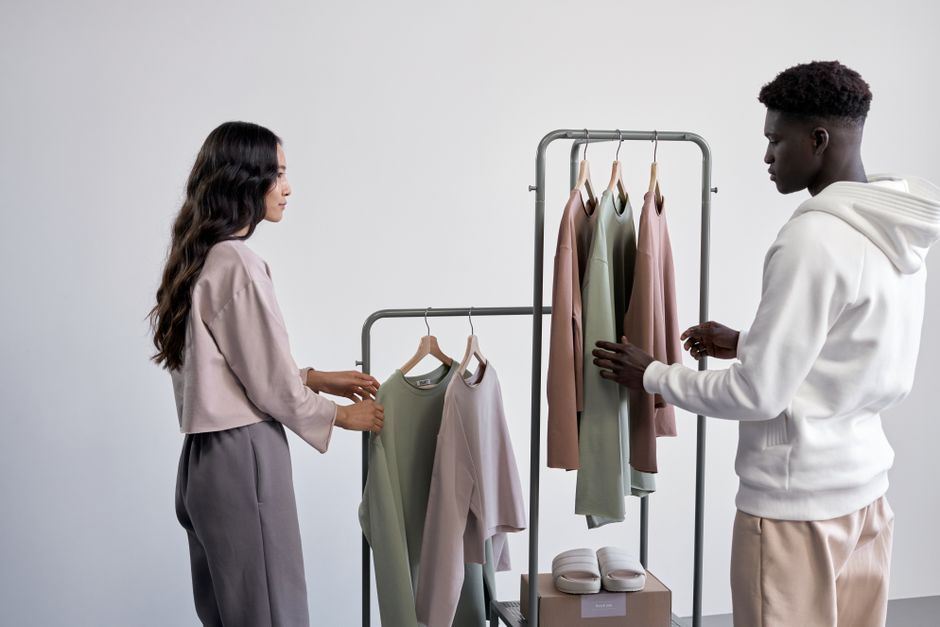
A common misconception is that a high price proves a garment will last. It does not. A $200 shirt can fail at the collar, while a modestly priced cotton tee can remain useful for years if its fabric, seams, fit, and care instructions are sound. This guide discusses no particular state law and offers general consumer information only. This is not legal advice — consult a licensed attorney.
What Makes a Basic Worth Ten Years?
Verdict: A decade-worthy basic needs stable fabric, strong construction, a useful fit, and a design you will still wear after trends move on. The best purchase is not the garment with the most fashionable label. It is the piece that survives repeated washing and still works with several outfits.
Start with the job the garment must perform
A basic exists to reduce daily friction. A white tee should layer under a jacket, survive regular washing, and keep its shape. Jeans should handle abrasion at the seat, knees, and pockets. A button-down should tolerate collar movement, pressing, and repeated fastening. Judge the garment against that job. Decorative details do not matter if the fabric pills after three wears or the buttons pull away from the placket.
Separate durability from fashion life
Physical survival and style survival are different tests. A heavily distressed jean may remain intact but stop fitting your wardrobe. A narrow blazer may be well made but become difficult to layer. Choose clean lines, moderate proportions, and colors that already appear in your closet. For most people, navy, white, black, gray, denim, camel, and olive have a longer useful life than a seasonal print.
Check Fiber Content Before You Check the Label

The fiber label gives you better evidence than a brand story. Read it before judging the logo, packaging, or price. Fiber content predicts feel, shrinkage, breathability, abrasion response, and care demands, although weaving and finishing still matter.
Match the fiber to the garment’s stress points
Long-staple cotton usually makes a smoother, stronger jersey than short-staple cotton. Uniqlo Supima Cotton T-Shirts are a useful reference point because the standard shirt is built around 100% cotton and a smooth hand. That does not make every Supima tee a ten-year garment, but it shows what to inspect: a dense knit, even surface, and firm neck rib. For denim, the classic rigid versions of the Levi’s 501 Original Jeans use a cotton-heavy construction that handles abrasion well. Stretch versions feel easier at first but may lose recovery sooner.
Read blends as tradeoffs, not automatic upgrades
Wool adds warmth and odor resistance, while linen brings airflow and a dry texture. Polyester can improve abrasion resistance and shape retention, as seen in the 100% recycled polyester fleece used for the Patagonia Better Sweater. The tradeoff is that synthetics can hold odors and shed small fibers. Elastane improves comfort, but a high percentage can shorten recovery life. For a decade of wear, a small amount of stretch is more defensible than a fabric built almost entirely around stretch.
How to Inspect Construction in the Fitting Room
Verdict: Construction faults are easier to identify than marketing claims. Use a five-minute inspection before buying. A garment that fails this check is not a good long-term value, even if the color and fit look perfect.
- Pull the main seams gently. Hold both sides of a side seam and apply light pressure. The stitches should stay close together without opening visible gaps. Loose loops, skipped stitches, or uneven tension point to weak production.
- Inspect hems and stress points. Look at the armhole, crotch, pocket corners, waistband, and collar attachment. A double-stitched or neatly finished seam has more repair value than a raw edge. On a shirt, check that the collar stand lies flat and the buttonholes do not fray.
- Test the fabric recovery. Scrunch a hidden section of jersey, then release it. Deep wrinkles that remain may signal a loose knit or poor finishing. Stretch the waistband or neckline once and see if it returns quickly.
- Check pattern alignment. Stripes, plaids, and prints should meet reasonably at the front placket and pocket. Misalignment is not always a durability problem, but it often reveals rushed cutting and sewing.
- Try the garment in motion. Sit, reach forward, raise your arms, and fasten every closure. A basic that pulls across the back or twists at the side seam will be neglected, no matter how strong the fabric is.
The clear winner is the garment with clean seams and enough ease for movement. Tight clothing receives more stress at every seam and rarely reaches a ten-year rotation.
Which Fibers Give the Best Long-Term Value?

There is no single “best” fiber. The correct choice changes by climate, garment function, and washing habits. The table below gives a practical ranking for common wardrobe basics.
| Fiber or blend | Best basic | Main strength | Main weakness | Long-term verdict |
|---|---|---|---|---|
| Long-staple cotton | T-shirts and underwear | Comfort, breathability, easy washing | Can shrink or lose shape with heat | Best everyday choice when washed cool |
| Wool or merino | Sweaters and base layers | Warmth, odor control, low washing frequency | Needs careful washing and drying | Best for fewer, better cold-weather layers |
| Linen | Summer shirts and trousers | Airflow and strong natural fiber | Wrinkles and may soften unevenly | Best hot-weather choice if wrinkles suit you |
| Polyester fleece | Casual outer layers | Shape retention and abrasion resistance | Can retain odor and attract lint | Best for hard-use layers, not every garment |
| Cotton with elastane | Stretch jeans and fitted basics | Mobility and comfort | Elastic fibers can lose recovery | Choose a low-stretch version for longer life |
Choose natural fibers for contact layers
For tees, socks, and sleepwear, breathable cotton or merino usually gives the best daily comfort. The Icebreaker 200 Oasis base layer, made from 100% merino wool, is a strong example of a simple garment built around fiber performance rather than decoration.
Choose synthetics for targeted performance
Synthetic fibers make sense for fleece, rain shells, and garments exposed to heavy abrasion. They are a poor automatic choice for every layer. Verdict: Pick the fiber that solves the garment’s main problem, then reject blends that add stretch or shine without a clear purpose.
When a Higher Price Is Not Better
My recommendation: pay more for materials and construction, not for prestige. A higher price can reflect better wages, smaller production runs, or stronger quality control. It can also reflect retail positioning, advertising, or a famous name. The label alone cannot tell you which explanation applies.
Use cost per wear instead of the ticket price
Suppose a $35 cotton shirt survives 25 wears before losing its shape. Its cost per wear is $1.40. A $90 shirt that survives 150 wears costs $0.60 per wear. The second shirt is the better value, but only if you actually wear it. A beautiful cream sweater that requires dry cleaning after every use may cost more in care than a washable wool sweater worn twice as often.
Ask what the price buys
Brooks Brothers Non-Iron Dress Shirts, for example, are known for 100% cotton options with a finishing process designed to reduce wrinkles. That feature can be useful for office wear, but it does not excuse poor fit or loose buttons. Eileen Fisher’s simple merino and cotton pieces may cost more because of fabric choice and restrained design, yet the value disappears if the shape does not suit your wardrobe. Verdict: Buy the more expensive option only when you can identify a measurable gain: denser fabric, better seam finishing, a repair program, easier care, or a fit you will wear weekly.
Which Buying Mistakes Shorten a Garment’s Life?
Most wardrobe failures begin before the first wash. A buyer chooses an unstable fit, ignores care instructions, or buys a color that cannot work with existing clothes. These mistakes are predictable and easy to prevent.
Common errors to avoid
- Buying the tightest acceptable size: Stress at the armhole, seat, and waistband accelerates seam failure. Leave room for normal movement.
- Ignoring shrinkage: Cotton and linen can change after washing. Check the care label and avoid a fit that is already exact before laundering.
- Overwashing: Wash only when the garment is dirty or smells. Airing a wool sweater often preserves it better than repeated washing.
- Using high heat: Hot dryers damage elastic fibers, fade color, and set wrinkles. Cool washing and low heat are safer defaults.
- Buying for a fantasy wardrobe: A dramatic piece is not a basic if it works with only one outfit. Test it against at least three items you already own.
Know when not to buy
Do not buy a garment with a beautiful fabric if the care routine is unrealistic for your home. Do not buy a “forever” basic in a cut that limits sitting, layering, or weight changes. Do not buy low-quality stretch denim for heavy daily use when a rigid or low-stretch pair would handle abrasion better. Verdict: The safest purchase is the one you can wash, store, repair, and wear without special effort.
How to Apply a Ten-Year Buying Test
Before paying, make the decision as if you were reviewing a contract: identify the promise, inspect the evidence, and record the risk. The promise is simple: this garment should earn repeated wear. The evidence is the fiber label, seam work, fit, and care plan. The risk is anything that makes regular use difficult.
Ask these five questions at the rack
Will I wear this at least twice a month? Does the fabric suit the garment’s job? Can I wash it with the care I will realistically provide? Are the seams, closures, and hems clean? Can a tailor repair the likely failure points? Three weak answers are enough to leave the garment behind.
Final comparison summary
| Basic type | Best long-term choice | Buy it when | Skip it when |
|---|---|---|---|
| T-shirt | Dense long-staple cotton | You want frequent washing and easy layering | The neck stretches in the fitting room |
| Jeans | Low-stretch cotton denim | You need abrasion resistance and simple care | The fit is tight before the first wash |
| Sweater | Merino or tightly knit wool | You can wash gently and air-dry flat | You will use a hot dryer |
| Summer shirt | Linen or breathable cotton | You accept natural wrinkles | You need a crisp look with no pressing |
| Fleece layer | Dense polyester fleece | You need warmth and repeated outdoor use | You dislike synthetic odor retention |
For most wardrobes, the best decade-long foundation is a small group of well-fitting cotton tees, low-stretch jeans, breathable summer shirts, and carefully washed wool layers. Judge each piece by evidence you can touch and test. That standard is more reliable than a premium price tag.