
A common misconception says inclusive sizing means adding a few larger numbers to an existing collection. That approach misses the real issue. Inclusive sizing in fashion means designing, grading, measuring, and marketing clothes for a wider range of bodies from the start. A size label matters less than the shape, proportions, movement, and comfort behind it.
Why Inclusive Sizing Is a Fit Issue, Not a Trend
Labels do not describe every body
A size 14 can have a smaller waist, fuller hips, broader shoulders, or a longer torso than another size 14. Two people can wear the same label and need completely different cuts. Standard grading often assumes that every body grows in the same proportion as sizes increase. Human bodies do not work that way.
When a brand simply scales a smaller pattern upward, the garment may gain width without gaining enough rise, sleeve room, bust space, or hip ease. The result is clothing that technically reaches a larger size but still pulls, gaps, rides up, or restricts movement. That is not a customer failure. It is a pattern-making problem.
Better fit creates real access
Fashion affects work, travel, social events, exercise, and personal confidence. If a shopper cannot find trousers that sit correctly, a jacket that closes comfortably, or a dress that balances different proportions, the problem reaches beyond appearance. Poor fit limits choices.
Brands such as Universal Standard, Good American, and Savage X Fenty have helped make broader size conversations more visible, but no single company solves the whole issue. The useful lesson is simple: inclusion must show up in measurements, construction, stock levels, photography, and customer service. A diverse campaign beside a narrow product range is branding, not access.
What a Truly Inclusive Size Range Includes

The range must be available, not merely announced
A credible size policy covers more than the largest number printed on a webpage. Shoppers need the same styles, colors, and core fabrics across the range whenever possible. If extended sizes appear only in a few dark basics, the collection still sends a clear message about who the brand expects to dress.
- Consistent availability: Larger and smaller sizes should launch with the main collection, not months later.
- Clear measurements: Charts should list bust, waist, hip, inseam, rise, and garment measurements where relevant.
- Multiple proportions: Tall, petite, short-torso, long-torso, curvy, and straight-shaped customers need more than one grading assumption.
- Useful imagery: Product photos should show several body shapes, not one sample size cropped or hidden.
- Accessible returns: Fit experiments require reasonable return windows and clear information about final-sale items.
- Customer feedback: Brands should publish changes made after shoppers report gaping, tight arms, short hems, or weak support.
The strongest standard is not the biggest number. It is whether a shopper can find a well-described garment in a cut that respects her proportions.
How to Read a Size Chart Without Being Misled
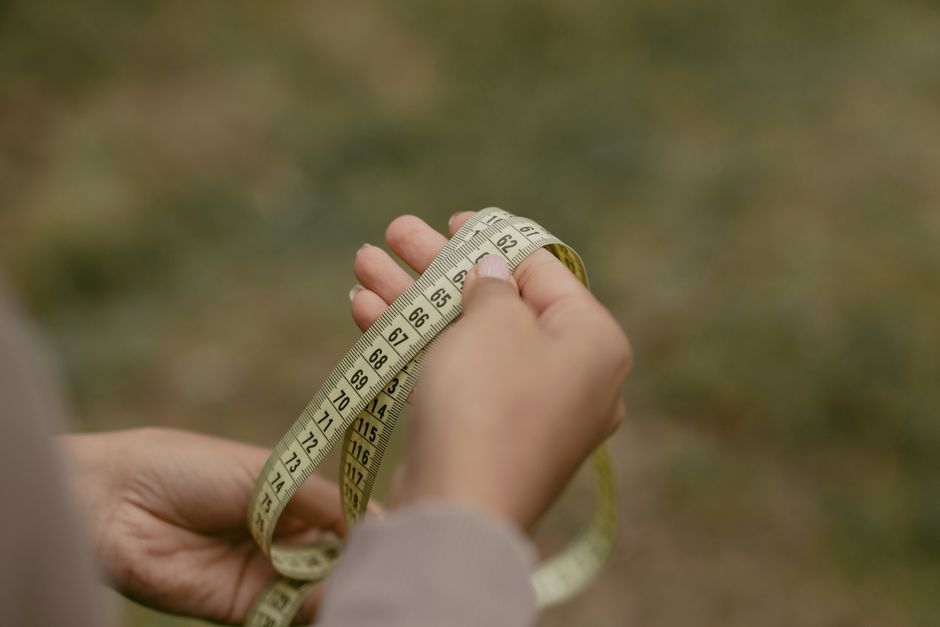
A size chart is useful only when you know what its numbers represent. The label itself is not a measurement, and lettered sizes vary widely between brands. Start with a flexible tape measure and record your body measurements in inches or centimeters. Measure over the undergarments you normally wear, keep the tape level, and avoid pulling it tight.
| Measurement | Where to measure | What it helps reveal |
|---|---|---|
| Bust | Fullest part of the chest | Front coverage, button strain, and armhole comfort |
| Waist | Narrowest natural point | Waistband pressure and shape placement |
| High hip | About 7 inches below the waist | Fit around skirts, jeans, and close-fitting knits |
| Full hip | Widest part of the seat | Pulling, pocket placement, and side-seam balance |
| Inseam | Crotch to desired hem | Whether trousers end at the ankle or above it |
Compare your measurements with the brand’s chart instead of choosing the size you usually wear. If your bust points to one size and your hip points to another, use the garment’s cut as the deciding factor. A relaxed top may suit the larger bust measurement, while a fitted skirt usually needs enough hip room first.
Verdict: A chart with five body measurements and garment notes is more trustworthy than a chart that lists only XS through 4X. Precision earns confidence.
A Practical Audit for Any Fashion Brand
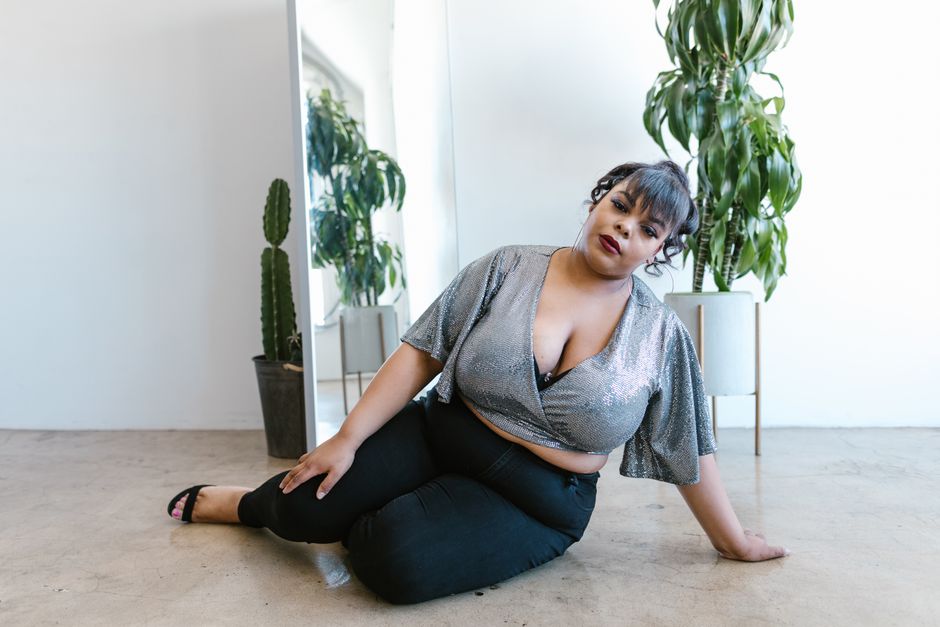
Five checks to make before trusting a range
Shoppers can test a brand’s inclusion claims in a few minutes. The goal is not to reward a slogan. It is to find evidence that the company understands fit.
- Open the size chart and check whether it gives body measurements for every size.
- Look at the product filter. Confirm that the advertised sizes are actually available in the style you want.
- Read reviews for repeated fit problems, especially comments about sleeves, rises, bust coverage, and fabric recovery.
- Check the garment composition. A 5 percent elastane blend may move differently from a rigid cotton or denim fabric.
- Inspect the return policy before ordering. Watch for final-sale rules, return shipping fees, and short deadlines.
- Compare model measurements with the size shown. This helps you judge proportions instead of relying on vague fit language.
What should count as a warning?
Be cautious when a brand uses one model for an entire range, hides measurements behind a size quiz, or describes every cut as true to size without giving garment dimensions. Reviews that repeatedly mention inconsistent grading deserve more weight than polished campaign language.
Another warning sign is a sudden jump in price for extended sizes without a clear construction reason. Larger garments can require more fabric, but unexplained surcharges make access harder. A fair brand should explain pricing plainly.
Why Extended Sizes Often Fit Differently
Scaling is not the same as redesigning
Pattern grading changes a base pattern into different sizes. Basic grading works reasonably well across a limited range, but it becomes less reliable when bodies change shape as well as circumference. A larger size may need a deeper armhole, a longer front rise, a different shoulder angle, more bust shaping, or stronger seam support. Simply adding inches at the side seams cannot solve those needs.
This is why a garment can fit around the waist but fail at the stomach, hips, thighs, or upper arms. The fabric may have enough total circumference but distribute it in the wrong places. A low-rise trouser graded from a small base can feel especially restrictive on a fuller midsection. A narrow sleeve can make a blazer unusable even when the chest measurement works.
Fabric and construction change the result
Stretch is not a universal fix. A knit with 20 percent stretch may recover well, while a soft fabric with poor recovery can bag out after a few hours. Heavy buttons, weak elastic, shallow pockets, and unreinforced seams also affect wear. Inclusive design asks how a garment behaves during sitting, reaching, walking, and washing.
Brands should test patterns on people across the range, not only on one fit model. A useful test includes repeated movement, seated posture, laundering, and several hours of wear. Shoppers can look for construction clues such as adjustable waist features, shaped seams, longer fasteners, and fabric descriptions that explain stretch and recovery.
For shoppers, the clearest verdict is this: choose construction over label size. A well-shaped garment in a plain fabric will serve more bodies than a trend-led piece with a wide size list and a narrow pattern.
Questions Shoppers Should Ask Before Buying
Does inclusive sizing mean every size fits every body?
No. A broad range improves access, but no single pattern can fit every proportion perfectly. The honest goal is more useful options, better measurements, and fewer hidden assumptions. A brand that explains its cuts gives shoppers a fair chance to choose.
Are numerical sizes better than lettered sizes?
Not automatically. Numerical and lettered systems can both work when the brand publishes exact measurements. The problem begins when labels replace data. A 2X from one company may not match a 2X from another, so compare the chart each time.
Should shoppers size up when a garment feels tight?
Only after checking where the pressure occurs. Sizing up may fix a tight hip but create shoulder droop or a loose waist. If one area fits and another does not, look for a different cut, rise, length, or proportion rather than assuming the whole garment needs to be larger.
When should someone skip a purchase?
Skip it when the brand provides no usable chart, hides the fabric content, has repeated complaints about severe inconsistency, or makes returns impractical. A low price is not a bargain if the item cannot be worn or returned.
The Standard Fashion Brands Should Meet
My view is firm: inclusive sizing should be judged as a design standard, not a seasonal marketing theme. Brands earn trust when they publish complete data, keep sizes in stock, test patterns on varied bodies, and show the clothes without disguising fit problems. The same test applies to established names and newer labels.
Shoppers do not need perfect uniformity across the entire industry. They need honest information and meaningful choice. Fashion becomes more inclusive when a person can compare cuts, understand the tradeoffs, and buy based on her measurements rather than guesswork.
| Brand practice | Strong standard | Weak signal |
|---|---|---|
| Size range | Core styles available across the published range | Extended sizes limited to a few items |
| Fit information | Body and garment measurements with model details | Only XS to 4X labels |
| Pattern development | Fit testing across several body proportions | One base pattern scaled upward |
| Shopping experience | Clear stock, returns, and customer feedback process | Final-sale restrictions and vague policies |
| Marketing | Different bodies shown in ordinary product views | Inclusive images separated from purchasable sizes |
The best measure of progress is practical: more people can find clothes that close, move, last, and feel like they belong in the main collection. That is sizing inclusion with substance.