The Ellen MacArthur Foundation estimates that one truckload of textiles is sent to landfill or burned every second. I quit fast fashion for one year to see what would change in my own closet. I expected harder shopping. I found a clearer style, fewer bad purchases, and a better way to judge value.
What quitting fast fashion revealed about cheap clothes
The real purchase was novelty
My first surprise was how often I bought clothes for the feeling of something new rather than for a gap in my wardrobe. A low price made that habit easy to defend. Five dollars for a top felt harmless, even when I owned six similar tops. After I stopped browsing constant drops and flash sales, the urge lost some of its force.
The problem was not one inexpensive shirt. The problem was repetition: buying, wearing an item twice, losing interest, and searching for another quick change. Fast fashion solved boredom very well, but it did not solve getting dressed. I still needed reliable clothes for work, weekends, weather, and formal events.
Quality became easier to judge
Without a new parcel arriving every week, I noticed seams, fabric weight, zippers, and care labels. A shirt that twisted after washing was no longer just an annoying bargain. It was evidence that the item had failed its job. My clear verdict is simple: buy fewer pieces only after naming the use each piece must serve.
Cost per wear beats the sale sticker
A cheap garment is not automatically good value. I started comparing the purchase price with realistic wears, then included washing, repairs, and replacement risk. These rounded examples show why the calculation helps, although cost per wear measures personal value, not the full environmental or labor cost.
| Item | Example price | Useful detail | Expected wears | Cost per wear |
|---|---|---|---|---|
| Levi’s 501 Original Jeans | $98 | 100% cotton in the selected wash | 30 | $3.27 |
| Patagonia Better Sweater Jacket | $149 | 100% recycled polyester fleece | 45 | $3.31 |
| Uniqlo U Crew Neck T-Shirt | $24.90 | 100% cotton | 12 | $2.08 |
| VEJA Campo Sneakers | $175 | Leather upper and rubber outsole | 80 | $2.19 |
The table changed how I read discounts. A $20 shirt worn twice costs $10 per wear, while a $98 pair of jeans worn 30 times costs about $3.27 per wear. The more useful question is not, Can I afford this today? It is, Will I still choose this item after ten washes and three months of outfit planning?
How to shop less without feeling underdressed
The best system was a pause between wanting an item and paying for it. I used a free note on my phone, but any basic list works. The goal is to replace impulse with a short test that takes less than five minutes.
- Start with a 30-day pause. Save the item, price, size, color, and the exact outfits it would complete. If you cannot name three outfits, remove it from the list.
- Count your real wardrobe before shopping. Write down jeans, trousers, skirts, dresses, knitwear, coats, shoes, and occasion pieces.
- Mark each item as worn weekly, worn sometimes, uncomfortable, damaged, or forgotten. This shows the actual problem instead of the imagined one.
- Set a replacement rule. A new black top should replace a stretched or uncomfortable black top, not join four nearly identical pieces.
- Check fabric and care instructions. Dry-clean-only clothing costs more time and money than the ticket price suggests.
- Try the outfit at home. Sit, walk, raise your arms, and check the garment in daylight before removing tags.
- Wait through one full weather change. A coat bought during a heatwave or a knit bought during a cold snap may not fit your normal life.
This method did not make shopping joyless. It made each purchase easier to explain. My strongest recommendation is to keep a short waiting list rather than a huge wish list, because a small list makes repeated wants visible.
Which alternatives earned a place in my closet?
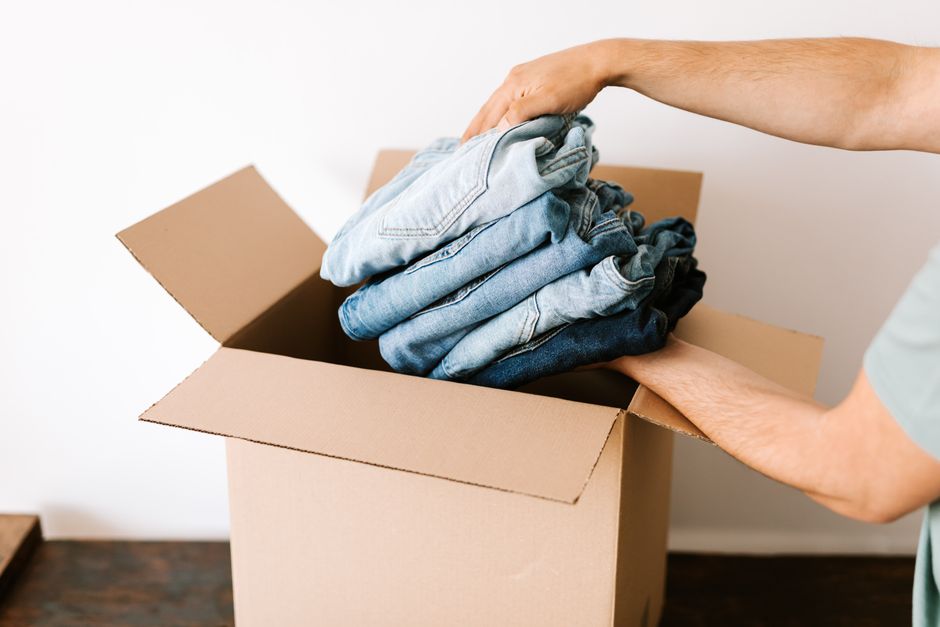
I did not replace fast fashion with expensive shopping across the board. I chose specific pieces when the material, fit, and expected use made the higher price believable. The winners were practical, easy to wash, and flexible enough to work with clothes I already owned.
For denim, the Levi’s 501 earned its cost
The Levi’s 501 Original Jeans at about $98 became my strongest denim choice because the straight leg worked with sneakers, boots, and flats. The button fly and rigid cotton felt less comfortable on day one, but the fit became better after regular wear. Buy this pair for durable everyday denim, not for a soft, stretchy first try-on.
Measure a pair of jeans you already like before ordering. Check the rise and inseam, then keep the size that lets you sit without pulling at the waist.
For a warm layer, Patagonia was the clear winner
The Patagonia Better Sweater Jacket at $149 gave me a dependable mid-layer with 100% recycled polyester fleece. It worked under a coat and over a T-shirt, so I wore it more often than trend-led knitwear. Choose it for repeat outdoor use; skip it if you want a thin office cardigan or dislike fleece texture.
Use a garment bag for delicate items, wash fleece on a cool cycle, and avoid buying a special-care layer for a job a washable basic already handles.
Basics need a job, not a logo
The Uniqlo U Crew Neck T-Shirt at $24.90 was the sensible pick for simple cotton basics, while the VEJA Campo at $175 made sense only because I wore white sneakers most weeks. The tee won on price and rotation; the sneakers won on use. My verdict: buy the basic first, then buy the premium item only when your wear count supports it.
The verdict: outfit repeating is a style skill
Outfit repeating became easier when I stopped treating clothing as a daily performance and started treating it as a small set of useful combinations, because a strong outfit does not lose its value after one photograph or one compliment.
I learned to change one visible element instead of rebuilding the whole look: switch a jacket, add a belt, roll a sleeve, change the shoe, or use a different color near the face, and the same trousers could support several outfits without pretending they were new clothes.
The clear winner for a calmer wardrobe is repetition with intention, since knowing your best silhouettes, colors, and proportions makes dressing faster than chasing every trend, and it also gives you a firm reason to reject pieces that look exciting online but have no place in your actual week.
What went wrong during the year?
Did I stop buying completely?
No. A total ban created silly pressure and made basic replacements feel like failures. I bought items when something was worn out, missing, or genuinely unsuitable for my routine. The mistake was treating a personal rule as a moral scorecard. A useful system must survive travel, body changes, work changes, and unexpected events.
How did I handle trends?
I stopped buying a trend at its peak and waited until I could identify the shape in my existing wardrobe. If I liked a wide-leg silhouette, I tested it with a borrowed pair or a secondhand option before spending more. I also avoided trend pieces that needed a new bra, shoe, coat, and bag to look complete. One garment should not create four extra purchases.
What did I do with bad purchases?
I separated repairable, wearable, and unusable items. Repairable pieces went to a tailor or received a basic fix at home. Wearable pieces moved to a friend or resale listing. Unusable clothing became cleaning cloths only when the fabric allowed it. The biggest failure mode was keeping uncomfortable clothes because I felt guilty about the money. That choice did not recover the money; it only occupied space.
My seven-rule buying test for 2026
My opinion: the best fast-fashion exit plan is a buying test, not a perfect label. Check the garment, the seller, and your own habits before paying. These seven rules now decide almost every purchase:
- Name the exact occasion and season for the item.
- Build three complete outfits with clothes you already own.
- Check the fiber content, seam quality, lining, closures, and care label.
- Choose the size that feels comfortable while sitting, walking, and reaching.
- Estimate 20 wears before buying anything over $50.
- Wait 30 days for a trend item and 48 hours for a basic.
- Plan the repair, resale, donation, or recycling route before purchase.
These rules leave room for pleasure, style changes, and a limited budget. They also make the real cost visible. My specific recommendation is to begin with one category you overbuy, such as tops or jeans, and use this test for the next three purchases; that small boundary creates a more wearable closet than another shopping haul.