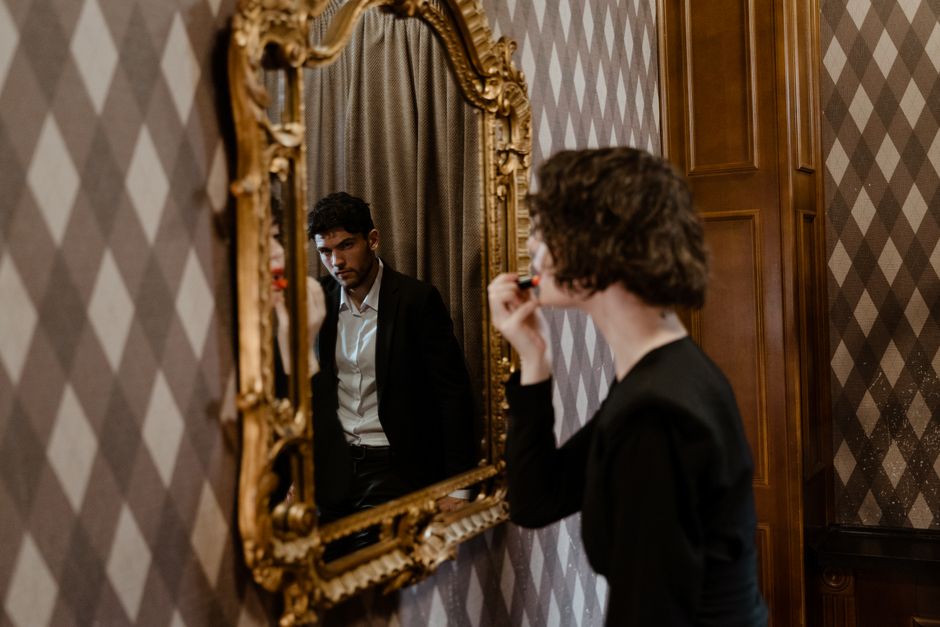
Black-tie optional gives you room to choose, but it does not mean casual. The safest outfits look formal, refined, and slightly less rigid than a traditional gala look.
Use the venue, start time, fabric, and level of shine to decide how dressed up to go. These six formulas cover weddings, charity dinners, hotel receptions, and evening parties.
What Black-Tie Optional Really Means
The dress-code baseline
Black-tie optional means the host expects formal eveningwear but accepts a polished alternative to a full tuxedo or floor-length gown. For women, that usually means a long dress, a formal midi dress, an elegant jumpsuit, or a sharply styled evening suit. For men, it usually means a tuxedo if available, with a dark suit as the backup.
The word optional applies to the black-tie standard, not to the level of effort. A cotton sundress, office sheath, daytime blazer, or casual maxi dress misses the point. Choose evening fabric, clean tailoring, and dress shoes. The best black-tie optional outfits look intentional from a distance.
The safest level of formality
My recommendation is simple: dress one step above cocktail attire. That means a richer fabric, a darker color, a longer hem, or more polished accessories. Satin, silk, velvet, crepe, chiffon, and sequins can all work. The strongest default is a floor-length or ankle-length silhouette in black, navy, burgundy, emerald, or metallic champagne.
If the invitation comes from a conservative venue, choose the long dress or formal suit. If the event is at a modern restaurant or art space, a sculptural jumpsuit or tailored separates can look just as correct.
Which Outfit Formula Fits the Event?
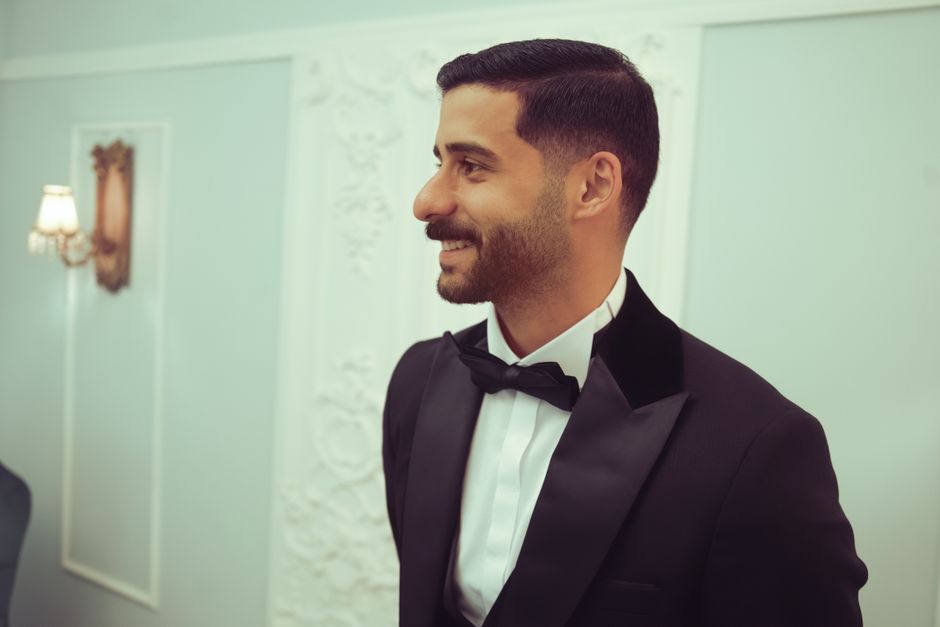
Use this quick comparison
| Event setting | Best outfit | Why it works |
|---|---|---|
| Traditional ballroom wedding | Long dress or formal evening suit | Matches the room and photographs well |
| Hotel charity dinner | Velvet gown or dark tailored suit | Looks rich under low indoor lighting |
| Modern gallery reception | Wide-leg jumpsuit or sleek separates | Formal without looking predictable |
| Summer evening wedding | Silk midi or lightweight long dress | Breathable and still polished |
| Winter formal party | Velvet, satin, or embellished black dress | Adds warmth and evening texture |
The clear winner for uncertainty
When you have no useful information about the venue, wear a dark ankle-length dress with refined shoes and one strong accessory. It is the most flexible choice. You can make it more formal with a wrap, velvet bag, or crystal earrings, or soften it with a simple clutch and minimal jewelry.
Do not build the entire outfit around sparkle. One reflective element is enough. A sequined dress with metallic shoes, glitter earrings, and a crystal bag often looks busy instead of expensive.
How to Dress for Venue, Weather, and Timing
Read the venue before choosing the hemline
The location tells you more than the dress-code phrase. A ballroom with chandeliers supports a long gown, polished suit, or dramatic drape. A garden wedding needs movement and shoes that can handle grass. A rooftop event calls for a stable heel, a layer, and a hem that will not whip around in the wind.
For a restaurant or gallery, a formal jumpsuit or trouser suit often looks fresher than a traditional gown. Keep the lines clean and the accessories deliberate. The outfit still needs evening fabric; ordinary workwear tailoring will look too flat.
Match fabric to the season
Summer calls for silk, satin, chiffon, lightweight crepe, and lined viscose. Avoid heavy velvet unless the room is strongly air-conditioned. Winter supports velvet, wool-blend tailoring, heavier satin, and embellished fabric. A thin dress with bare shoulders can look uncomfortable at a December event, even when the color is right.
For outdoor events, carry a real layer. A pashmina, cropped evening jacket, or tailored wrap is more useful than relying on body heat. A coat that covers the entire outfit can also protect satin and delicate beading during the journey.
The common timing mistake
Do not dress for the ceremony alone. An event that begins at 4 p.m. and ends after dinner needs an outfit that can move from daylight to evening. Skip extremely sheer fabric, beach colors, and oversized daytime hats. For a 7 p.m. start, darker colors, stronger makeup, and more shine make sense.
Six Black-Tie Optional Outfit Ideas
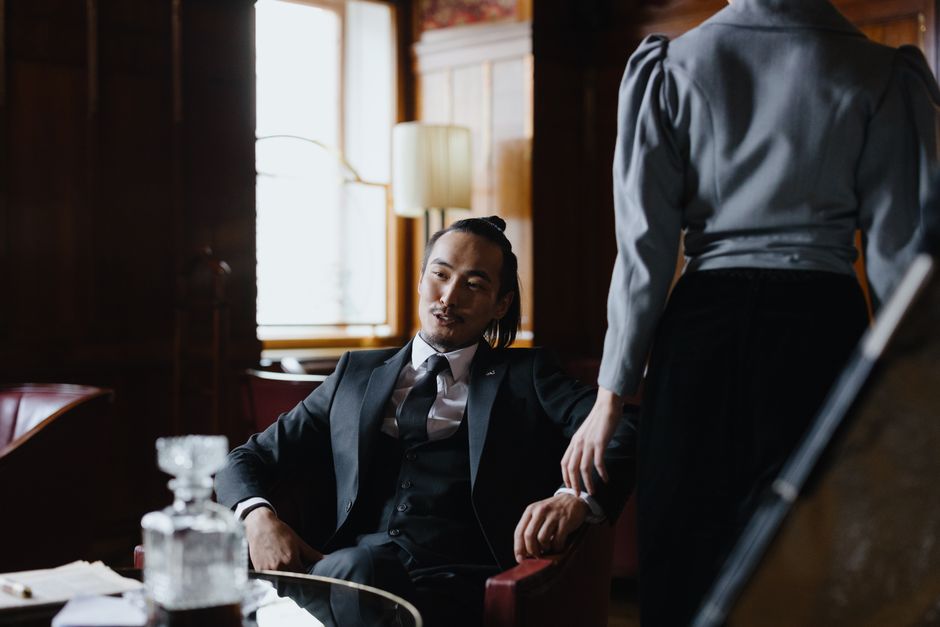
- Black silk column dress. Choose a slim ankle-length or floor-length dress with a clean neckline. The Reformation Frankie Silk Dress, usually around $448, is a useful reference for this shape: simple, fluid, and formal without excessive decoration. Add pointed satin heels and drop earrings. This is the best overall choice for a traditional wedding.
- Navy velvet suit. A velvet blazer and matching wide-leg trousers give you the authority of evening tailoring without copying a man’s tuxedo. A J.Crew Gwyneth Velvet Blazer, often priced near $198 when available, shows the right direction: close enough at the shoulder, shaped at the waist, and paired with a minimal silk camisole. This wins for winter dinners.
- Emerald satin midi dress. A midi length works when the fabric and styling feel expensive. Look for a bias cut, covered seams, and a hem that falls below the widest part of the calf. Keep jewelry restrained and use a metallic clutch. This is the strongest option for a summer reception that feels formal but not ceremonial.
- Black wide-leg jumpsuit. A formal jumpsuit needs structure at the shoulder and a full-length trouser, not a cropped leg. The Galvan London Jumpsuit, commonly listed around $995, is the model to study for its long line and evening finish. Add a narrow belt, a high heel, and a small bag. Pick this when you want a modern look that still meets the dress code.
- Tuxedo-inspired dress. A black dress with satin lapels, a strong collar, or a precise waist gives you a sharper alternative to a gown. Keep the rest of the styling quiet. Patent pumps and small earrings are enough. This outfit works best at a hotel gala or formal dinner where tailoring looks more natural than romance.
- Metallic top with black evening trousers. Choose a fluid metallic blouse, full-length black trousers, and a fitted jacket. The metallic element should be soft rather than costume-like. Use matte shoes to keep the outfit grounded. This is the best backup when you dislike dresses but still need a formal finish.
The clear winner for most people is the black silk column dress. It handles the widest range of venues, looks strong in photographs, and needs fewer styling decisions.
Make the Outfit Look Formal, Not Overdone
My strongest recommendation: keep the silhouette simple and spend your attention on fit. Formal clothing looks expensive when the shoulder sits correctly, the hem clears the floor, and nothing pulls across the bust or hips. Extra decoration cannot fix poor fit.
Fix the foundation first
Use smooth, supportive undergarments that do not show through satin or clingy crepe. A strapless style such as the Commando Classic Strapless Bandeau Bra, usually around $68, can work under a clean neckline if the band stays secure. Test it by sitting, lifting your arms, and walking for ten minutes before the event.
Do not wear thick textured lace under a thin silk dress. It creates lines that catch the light. If the outfit needs shapewear, choose light smoothing rather than a garment that restricts breathing or leaves a visible edge.
Control the accessories
Use one focal point: earrings, a necklace, a metallic shoe, or a detailed bag. Not all four. Match the metal tones when possible, and avoid a large everyday tote. Shoes should be formal and walkable; a three-inch block heel is more useful than a painful four-inch stiletto you remove before dinner.
Hair and makeup should support the clothes. A low bun, polished waves, or a clean ponytail usually looks better than an elaborate style competing with beading. The finished outfit should look edited, not empty.
Black-Tie Optional Questions With Clear Answers
Can I wear a cocktail dress?
Yes, but choose a formal cocktail dress rather than a casual party dress. The hem should sit at the knee or below, the fabric should have evening weight, and the accessories should be polished. A short cotton dress with flat sandals is too casual. A structured crepe dress with pointed heels can work at a modern venue.
Can I wear a suit instead of a dress?
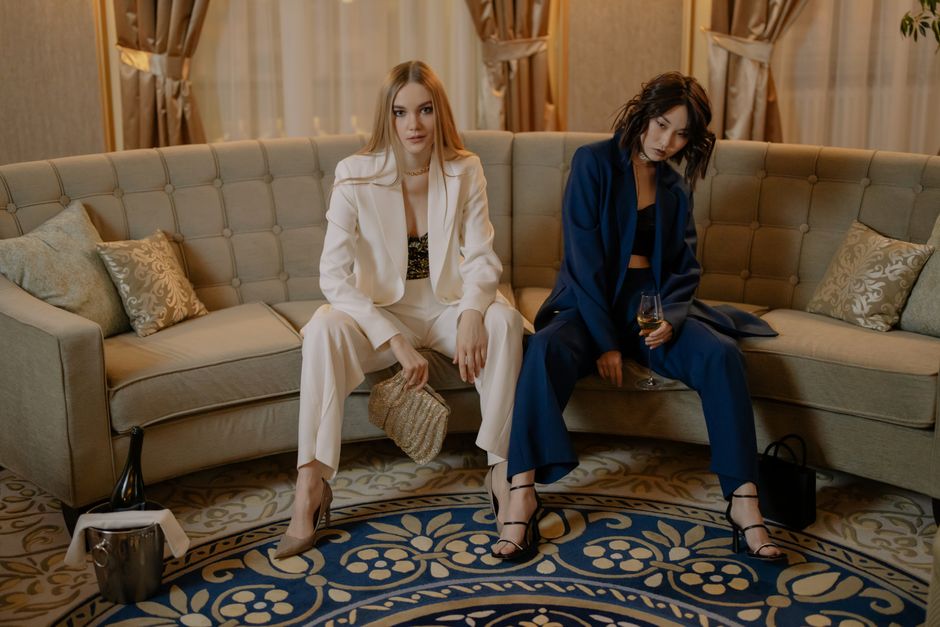
Absolutely. A dark, well-fitted suit is one of the smartest black-tie optional outfits. Choose satin, velvet, wool, or a fluid evening fabric. Wear a silk shell or structured bustier underneath, then add formal shoes. The best suit is not an office suit with a different blouse; it has sharper proportions and a richer texture.
Is black the only safe color?
No. Black is the safest, but navy, burgundy, emerald, plum, pewter, and deep chocolate can look just as formal. Avoid pale daytime florals, neon colors, and casual beige unless the event setting clearly supports them. Dark color is not the only sign of formality; fabric and finish matter more.
What should I wear if I hate heels?
Wear a pointed flat, a low metallic heel, or an elegant slingback. The shoe must look deliberate and coordinate with the outfit. A clean pointed flat works better than a casual ballet flat with a satin gown. For long events, comfort is part of looking polished because you will stand straighter and move with confidence.
For the safest final decision, choose a dark ankle-length dress, refined shoes, one controlled accessory, and supportive undergarments. That formula is formal enough for a ballroom, flexible enough for a modern venue, and far less likely to look overdressed than a heavily embellished gown.