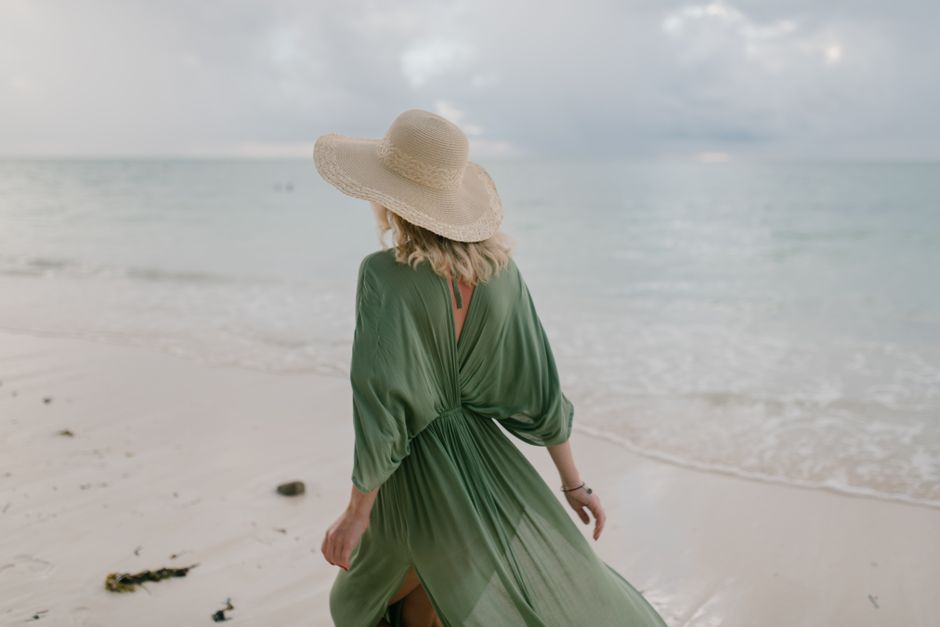
The common mistake is dressing for the postcard instead of the wedding. A palm-tree setting does not automatically mean a short sundress, and a city venue does not always call for heavy tailoring. For 2026 destination weddings, the strongest outfit starts with the invitation, then accounts for heat, wind, walking, humidity, and the space between the ceremony and reception.
Match the Outfit to the Setting, Not the Postcard
The best destination wedding outfit balances the venue’s level of formality with its physical conditions. Start by checking the ceremony surface, expected temperature, and time of day. A formal evening event beside the ocean needs a different look from a casual daytime ceremony on loose sand.
| Wedding setting | Best silhouette | Useful fabric | Shoe choice | Layer to pack |
|---|---|---|---|---|
| Tropical resort ceremony | Midi dress or wide-leg set | Linen blend or lightweight crepe | Low block heel | Unlined shawl |
| Open beach | Relaxed midi or ankle-length dress | Chiffon, cotton voile, or soft satin | Flat sandal or barefoot-friendly wedge | Silk scarf for wind |
| City rooftop | Tailored jumpsuit or sleek dress | Crepe, satin, or polished jersey | Stable heel or pointed flat | Cropped blazer |
| Historic venue | Tea-length dress or refined separates | Gabardine, silk, or structured linen | Closed-toe heel or dressy flat | Light jacket |
| Welcome dinner | Printed midi or elegant trousers | Breathable cotton or viscose | Comfortable sandal | Cardigan or wrap |
For an outdoor ceremony, movement matters more than decoration. A skirt that catches every gust, a long train that drags through sand, or a narrow heel that sinks into grass can ruin an otherwise polished look. Choose enough structure to look intentional, but leave room to walk, sit, and dance. The clear winner for most mixed destination schedules is a breathable midi with a defined waist, a stable shoe, and one light layer that works after sunset.
Dress Code Beats Destination Every Time
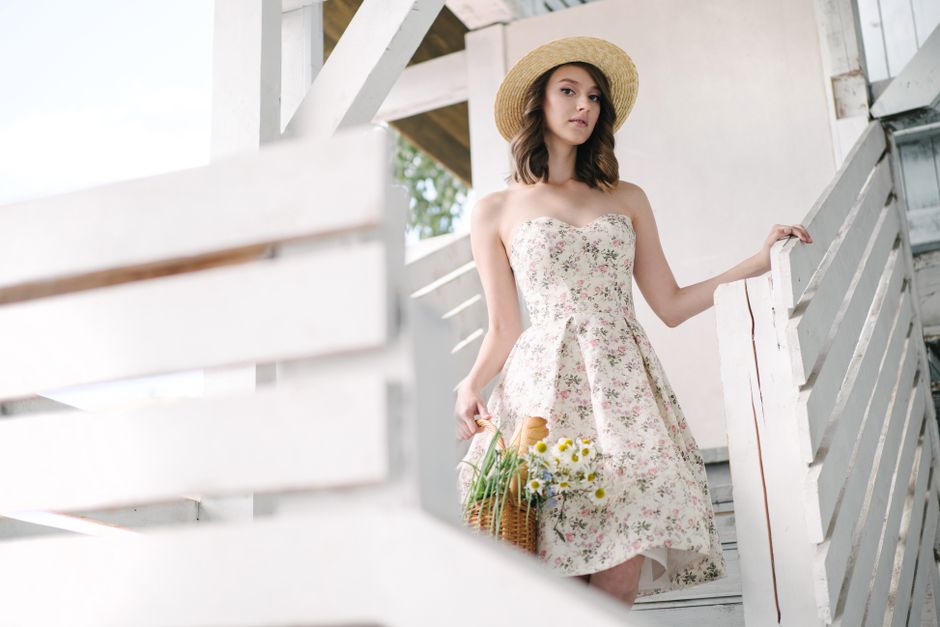
Read the dress code as the firm boundary and treat the location as the styling adjustment: for black tie, choose a floor-length gown or a sharply cut formal jumpsuit in a breathable fabric, then keep jewelry and color polished rather than beachy; for formal attire, a long or midi silhouette with refined shoes works best; for cocktail, select a knee-length or midi dress with clear shape and dressier accessories; for semi-formal, polished separates are acceptable, but denim, jersey beach cover-ups, and casual flip-flops still miss the mark; for a beach-formal invitation, keep the hem elegant and the fabric light, using flat shoes only when the sand makes heels impractical; and for a casual welcome event, a neat cotton or linen outfit is enough, provided it looks planned rather than borrowed from a pool bag. My firm rule is simple: never use tropical prints, exposed midriffs, or resort-style cutouts to excuse ignoring a formal dress code, because the venue may be scenic while the hosts still expect traditional wedding attire, and the photographs will show the difference long after the temperature drops.
Choose Fabric and Shoes for the Actual Terrain
Heat changes how clothing behaves. Humidity makes tight waistbands feel tighter, wind reveals unstable hems, and long walks turn attractive shoes into a practical problem. Build the outfit around comfort that still looks deliberate.
Pick fabric that releases heat
Linen, cotton voile, silk, lightweight crepe, and breathable viscose are strong choices for warm ceremonies. Linen wrinkles, but small creases look natural at a beach or garden event. Silk feels elegant and packs well, yet it can show sweat and water marks, so choose a print or darker shade for humid afternoons. Avoid thick polyester satin and heavy lining unless the event is indoors and air-conditioned.
Control coverage without adding weight
Sun exposure does not require a sleeveless mini dress. A loose sleeve, open neckline, midi hem, or lightweight scarf can offer coverage without trapping heat. Choose pale colors carefully: unlined white, pale pink, and thin beige fabric can become transparent in direct sun. Test the outfit beside a bright window before packing it.
Use shoes that match the ground
Thin stilettos fail on sand, cobblestones, lawns, and uneven paths. A low block heel, dressy flat, or wedge gives better balance. Pack blister covers before the trip, and wear the shoes indoors for at least an hour. For a beach ceremony, the best shoe is the one that lets you cross the sand without gripping your dress or walking awkwardly.
Pack Five Pieces That Prevent the Most Common Failures
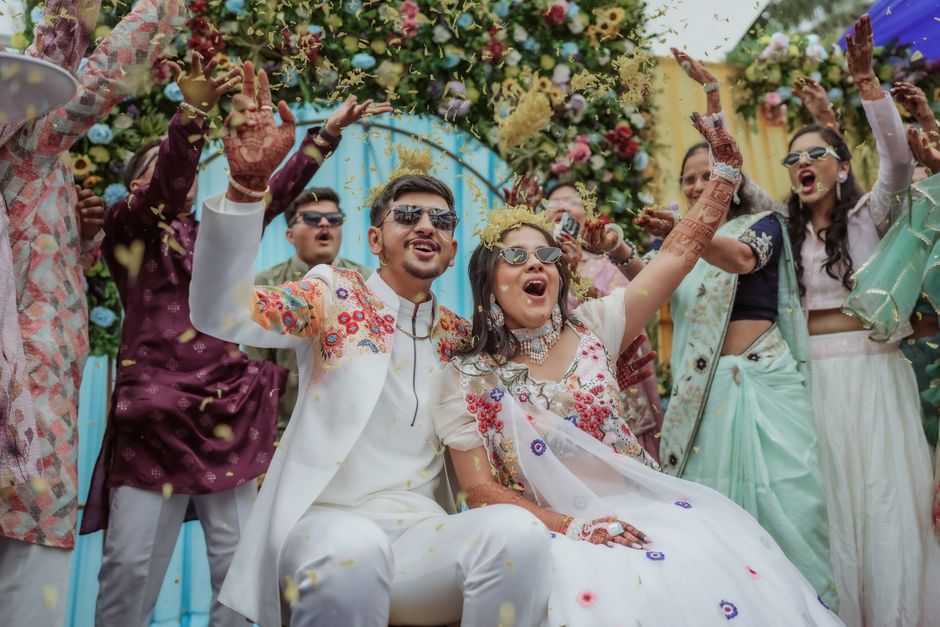
A destination wedding outfit fails most often because the guest packs for one photograph instead of the entire day. Use these five decisions to make the look resilient.
- Pack a second layer. Outdoor heat can turn into aggressive air conditioning after dinner. A thin wrap, cropped jacket, or soft cardigan adds warmth without taking over the outfit.
- Choose a tested underlayer. Sweat, movement, and humidity can change how a neckline sits. Wear supportive, smooth undergarments that do not show through the fabric or need constant adjustment.
- Bring a second shoe option. The ceremony may be on sand while the reception is on a hard floor. A compact flat can save the evening when the original heel becomes painful.
- Check the hem while walking. Try stairs, grass, and a few steps on a firm surface before departure. A dress that looks elegant while standing still may catch under the heel or drag behind you.
- Pack a repair kit. Include fashion tape, a small sewing kit, stain wipes, safety pins, and blister pads. These items take little space and solve problems that a hotel shop may not handle quickly.
Do not pack a delicate outfit that needs steaming, special washing, and perfect weather unless you also have a backup. The strongest choice is washable or easy to refresh, comfortable for several hours, and distinctive enough to feel special without relying on fragile details.
Use a Two-Look Formula for a Smaller Suitcase
My recommendation: build one polished base outfit and change its styling between the ceremony and the next event. This gives you more control than packing three unrelated dresses, especially when luggage space is limited and destination laundry options are uncertain.
Make the ceremony look the formal version
Start with a midi dress, tailored jumpsuit, or coordinated top-and-trouser set in a color that photographs well. Add the more formal shoe, the strongest earrings, and the structured layer for the ceremony. Keep the color palette focused: one main shade, one neutral, and one accent is enough. This makes accessories easier to reuse.
Turn the base into a dinner look
For the welcome dinner or post-wedding meal, change one visible element instead of the whole outfit. Swap a blazer for a scarf, remove a formal layer, change the earrings, or replace a heel with a refined sandal. A belt can alter the shape of a loose dress, while a tucked blouse can make wide-leg trousers feel more relaxed. This approach also reduces the chance of overpacking clothes that never leave the suitcase.
Do not buy a special travel outfit solely because the wedding is abroad. Your best investment is a flexible piece you can wear again at home, adjusted with accessories rather than a full new wardrobe.
Destination Wedding Outfit Questions With Direct Answers
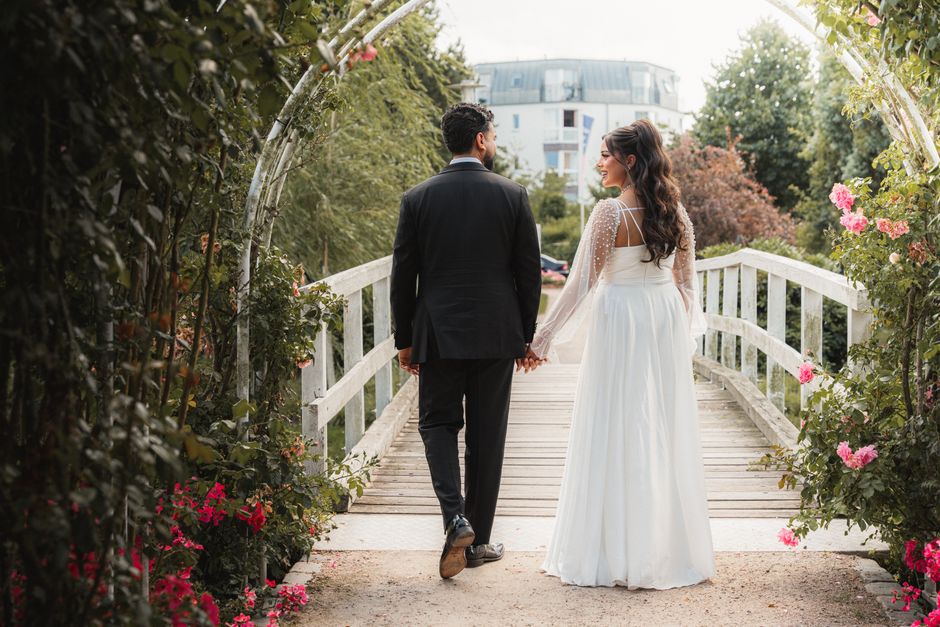
Can I wear black to a tropical wedding?
Yes, unless the invitation or cultural setting suggests otherwise. Black works especially well for an evening city wedding, a formal resort reception, or a rooftop event. In bright daytime heat, soften it with breathable fabric, open shoes, or a lighter accessory so the outfit does not feel visually heavy. Avoid wearing black if the couple has requested a specific palette.
What should I wear to a wedding on the sand?
Choose a midi or ankle-length look that leaves enough clearance for walking, and use flat sandals, a low wedge, or a shoe designed for stable footing. Avoid a long train, narrow heels, and very loose sleeves that can catch in the wind. A printed fabric hides small marks from sand better than a completely pale, delicate fabric.
How can I dress for a hot ceremony and a cool reception?
Use a breathable base with a removable layer. A silk scarf, unlined blazer, soft cardigan, or lightweight wrap can cover your shoulders once the temperature falls. Keep the layer in your hand luggage rather than checked baggage, along with your shoes and essential undergarments. Destination dressing is moving toward lighter, repeatable pieces that handle real travel instead of outfits designed for one staged photograph.