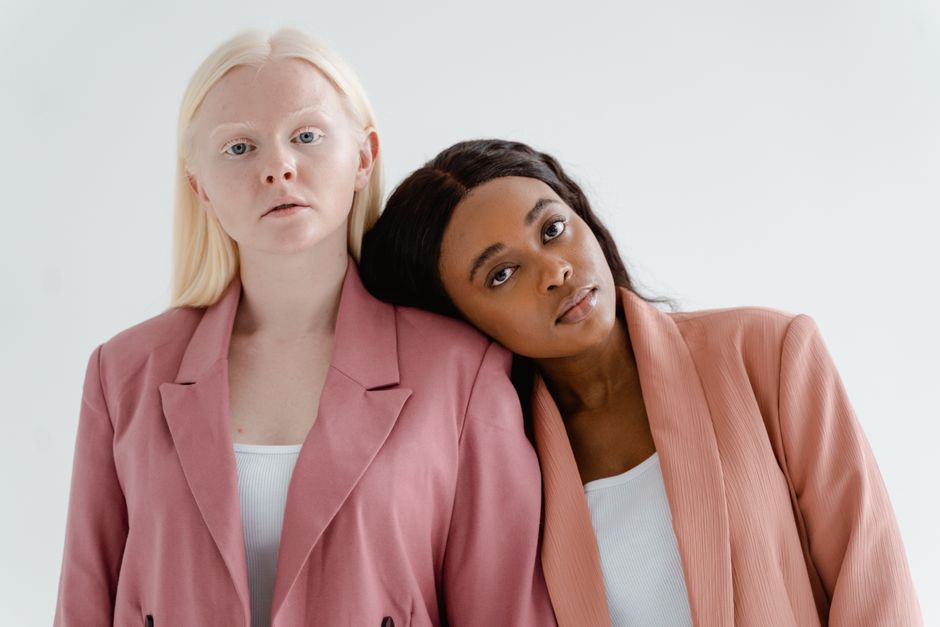
Start with the meeting, not the dress code
You have ten minutes before a video call. Your soft trousers look fine from the waist up, but the sweatshirt feels too casual. Later, you need to travel to the office, sit through a client meeting, and walk home in the same clothes. Hybrid work exposes the weakness of a wardrobe built for only one setting.
The best business casual outfit formula is a polished base plus one adjustable layer. Start with a clean top, structured trousers or a simple skirt, and shoes that can handle the commute. Add a blazer, cardigan, belt, or scarf only when the meeting requires more authority.
Build a visible zone for the camera
On video, the upper half carries most of the outfit. Choose a neckline that stays flat when you lean toward a laptop. A collar, fine-gauge crew neck, or neat V-neck reads better than a loose cowl or oversized hood. Keep the fabric matte and avoid tiny stripes, which can shimmer on camera. A small earring or simple chain adds focus without looking staged. For a normal team call, a knit top and clean shoulder line are enough.
Keep one flexible layer nearby
Store a blazer, cardigan, or lightweight overshirt on the back of your chair. The layer should fit over your top without pulling across the bust or bunching at the arms. A jacket that ends near the hip creates a sharper line than one that stops at the widest point. Remove it for focused desk work, then put it on for a presentation. That single change lets one outfit cover two levels of formality.
Use three outfit formulas on repeat
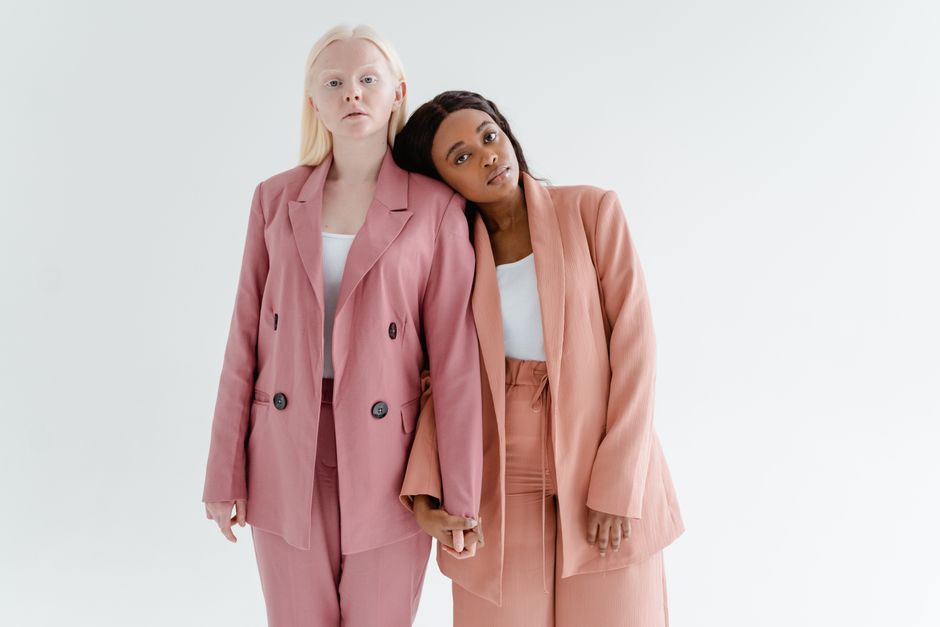
A formula reduces morning decisions while leaving room for color and personal style. Use the same structure for several weeks, then change one element.
Formula one: soft tailoring
- Start with straight-leg trousers in navy, charcoal, or black.
- Add a tucked knit top or smooth blouse with a stable neckline.
- Finish with loafers, low block heels, or clean leather sneakers.
Formula two: relaxed separation
- Pair a midi skirt with a fine knit and a short cardigan.
- Use a belt when the skirt and top need a clear waistline.
- Choose opaque tights and closed shoes for a more formal office.
Formula three: polished denim
Use dark, un-distressed jeans with a collarless jacket, crisp shirt, and refined flats. This works best when your workplace already accepts denim. If jeans are too casual for clients, replace them with ankle trousers in the same dark color. The visual formula stays intact, but the fabric raises the formality.
Make the two-minute dress-code switch
For a home-office day
Choose comfort first, then add one visible polished detail: a shaped neckline, a bright shirt, or a jacket within reach. The outfit should still look intentional if you stand up unexpectedly, so avoid pajama-like fabrics, stretched waistbands, and slippers with obvious wear. A soft trouser with a flat front gives you the comfort of loungewear without the bedroom appearance. Keep the color contrast moderate; a tonal outfit looks calm on screen and hides minor wrinkles.
For an office or client day
Switch the softest item for a structured one. Replace a jersey cardigan with a blazer, leggings with trousers, or casual sneakers with loafers. Check the hem while standing and sitting because hybrid clothing must work in both positions. Add a third color only if the outfit feels flat; a belt, bag, or shoe is enough. The winning rule for 2026 is simple: keep the base comfortable, but make the layer and footwear look ready for other people.
Buy the foundation in the right order

Do not start with statement pieces. A useful hybrid wardrobe needs dependable shapes before it needs more variety.
Choose the bottom before the top
Buy one dark trouser, one medium neutral trouser, and one skirt or dress that works with both. The bottom sets the visual level of the outfit and must survive sitting, commuting, and repeated washing. Look for a waistband that stays flat, pockets that do not gape, and fabric with enough recovery to avoid a baggy seat by midday. A good example is the Everlane Dream Pant, listed at $98 in its regular navy listing. Its elastic waist, pintuck detail, and tapered leg make it more office-ready than ordinary lounge pants, but it is not the best choice for a conservative suit-only workplace.
Add one polished top and one layer
Next, choose a blouse that does not require constant steaming and a jacket with enough room for movement. The Quince Washable Stretch Silk Utility Long Sleeve Blouse, listed at about $69.90, gives a fluid finish and can be machine washed on a delicate cycle with line drying. For a stronger shoulder line, the Madewell Kline Blazer costs $218 at regular price, has a 30-inch body length, and uses a 48% wool, 48% polyester, and 4% elastane blend. The blouse is the better value for frequent video calls; the blazer is the better choice when you need authority in person.
Compare price, fit, and real work use
Prices change, so treat the figures below as buying benchmarks rather than permanent promises. The more useful comparison is what each piece contributes to a working wardrobe.
Three reference pieces
| Piece | Listed price | Useful specification | Best use |
|---|---|---|---|
| Quince Washable Stretch Silk Utility Blouse | $69.90 | Washable stretch silk; XS to XL | Camera days and warm offices |
| Everlane Dream Pant | $98 | Elastic waist; pintuck; tapered leg | Commute-to-home outfits |
| Madewell Kline Blazer | $218 | 30-inch length; 48% wool blend; 4% elastane | Presentations and client meetings |
Where the money should go
Spend first on the item that solves your most common problem. If you look unfinished on camera, buy the blouse. If your commute ruins soft clothing, buy the trouser. If your office days involve senior meetings, buy the layer. Do not buy a blazer that only works with one bottom, or a silk blouse that needs dry cleaning every week. The strongest purchase earns at least three outfit combinations and works in both seated and standing positions.
Fix the mistakes that make business casual look careless
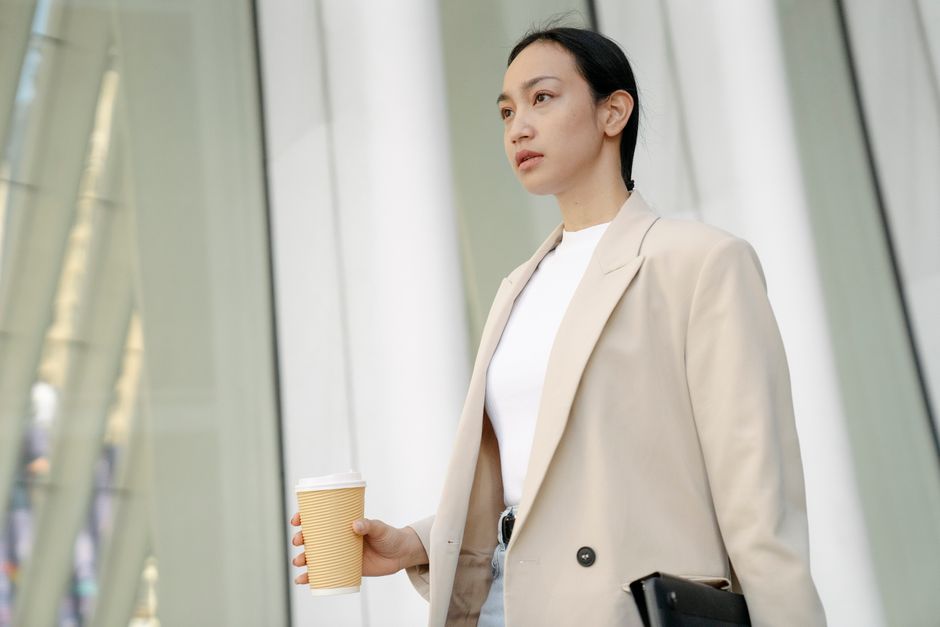
Most hybrid-work outfits fail because of proportion, care, or context, not because the clothes cost too little.
Why does a comfortable outfit look like loungewear?
The problem is usually repetition of soft textures. A jersey top, knit pants, and foam-soled slides create one relaxed block. Keep one soft item, then add contrast with a woven shirt, leather belt, structured bag, or sharper shoe. Also check shine, pilling, and stretched knees. Comfort is useful only when the fabric still holds its shape.
When should you skip a blazer?
Skip it when the room is hot, the jacket restricts your arms, or your workplace has a clearly casual culture. A neat cardigan or collarless overshirt can provide the same visual finish with less bulk. Do not force a blazer over a high-volume sleeve; the shoulder will wrinkle and the outfit will look borrowed. The clear verdict is to use tailoring as an option, not as proof that you understand professional dress.
What is the fastest fit check?
Raise both arms, sit down, walk ten steps, and look at the outfit from the side. If the waistband rolls, the bust pulls, the hem climbs, or the jacket opens across the back, change the size or shape. The best hybrid wardrobe is the one that still looks composed after a full day of movement. The single most important takeaway is to build each outfit around a comfortable base and one deliberate polished layer.