
Are comfortable blazers for women supposed to feel like a cardigan, or should a little structure always come with the outfit? The best answer is practical: choose a jacket that gives your shoulders shape, lets your arms move, and stays smooth when you sit. Uniqlo and J.Crew solve that problem in different ways. Uniqlo focuses on easy movement and lower prices, while J.Crew offers more tailoring choices and a sharper finish.
Why a comfortable blazer should move like a shirt
A blazer feels uncomfortable when its shape fights the way your body moves. Tight armholes pull the fabric across your back. A stiff shoulder seam digs into your upper arm. A lining that does not glide over a sweater makes every reach feel restricted. Comfort starts with movement, not with a thin fabric label or a loose silhouette.
Start with shoulder and back movement
Raise both arms, reach forward, and cross your arms across your chest. The blazer should move with you without pulling at the buttons. Look for a shoulder seam that sits close to the edge of your shoulder, not halfway down your upper arm. A back vent also helps the jacket open slightly when you sit or walk.
Set a comfort floor before judging style
For a work blazer, require enough room for the top you will actually wear underneath it. Test it over a T-shirt, blouse, or thin knit rather than over a camisole. The sleeve should stop near the wrist bone, the collar should lie flat, and the front should close without an X-shaped pull. A comfortable blazer is still tailored; it simply leaves room for normal movement.
How to measure for a blazer that does not pinch
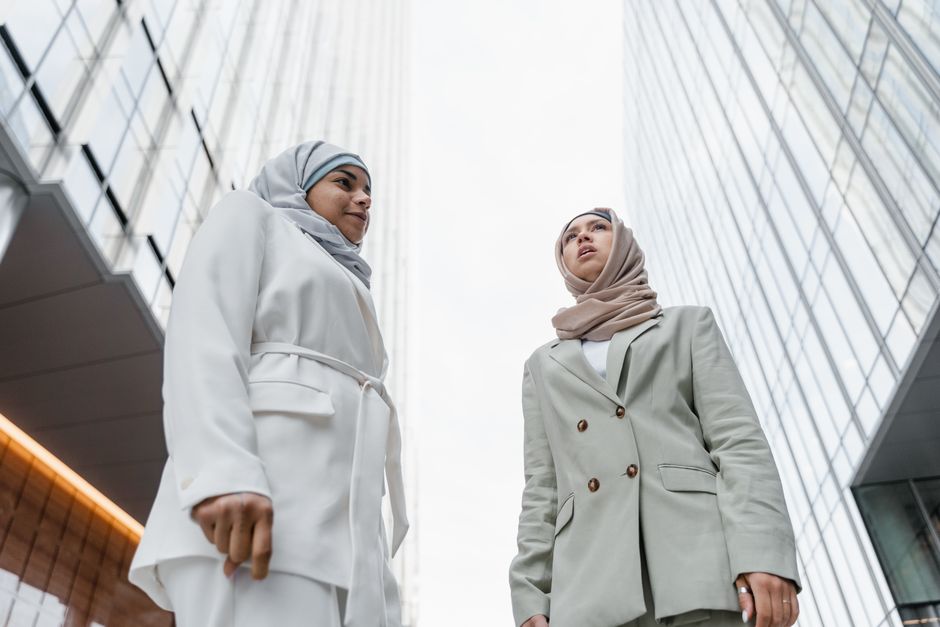
Use your body measurements and a five-minute fitting check before choosing a size. Brand size charts are useful, but they cannot show how a jacket will behave over your shoulders or bust.
Take the five measurements that matter
- Measure your full bust around the fullest point while wearing the bra or light top you plan to layer underneath.
- Measure your natural waist without pulling the tape tight. This helps you spot jackets that will close but feel restrictive when you sit.
- Measure shoulder width from shoulder point to shoulder point across your upper back. This matters more than a waist number for a structured blazer.
- Measure your sleeve from the shoulder point to the wrist bone with your arm slightly bent.
- Measure your preferred jacket length from the top of your shoulder to the point where you want the hem to finish.
Run the seated fit test
Button the blazer, sit down, and place both hands on a desk or steering wheel. If the hem rides sharply upward, the jacket may be too short. If the lapels gape, the bust or shoulder area needs more room. Do not solve shoulder tightness by sizing up several sizes; that can create drooping sleeves and a boxy waist. Fit the shoulders first, then adjust the waist with tailoring if needed.
Uniqlo wins when your week requires easy movement
The quick comparison
| Uniqlo option | Listed price | Fit and range | Best use |
|---|---|---|---|
| Relaxed Tailored Jacket | $89.90 | XXS-XXL; relaxed shape | Travel, commuting, layered outfits |
| Premium Linen Jacket | $29.90 sale price when checked | XS-XL; lightweight linen feel | Warm offices and summer dressing |
| AirSense Blazer | $99.90 | Lightweight stretch fabric; check the current women’s assortment | Low-bulk business travel |
The clear Uniqlo verdict
Choose Uniqlo for daily comfort and value. The Relaxed Tailored Jacket is the strongest starting point because its XXS-XXL range and easier shape leave room for a knit top without making the outfit look sloppy. The Premium Linen Jacket is the better warm-weather pick, but linen creases quickly and its sale price can change. AirSense is attractive for travel because the fabric feels light and packs more easily than a traditional wool jacket, yet the current listing may sit in a men’s or unisex section, so confirm the cut before ordering. Uniqlo is the winner for a commuter who wants one blazer for trains, long desk days, and casual weekend outfits. Its tradeoff is a less sculpted waist and fewer fit categories than J.Crew.
J.Crew wins when polished shape matters most
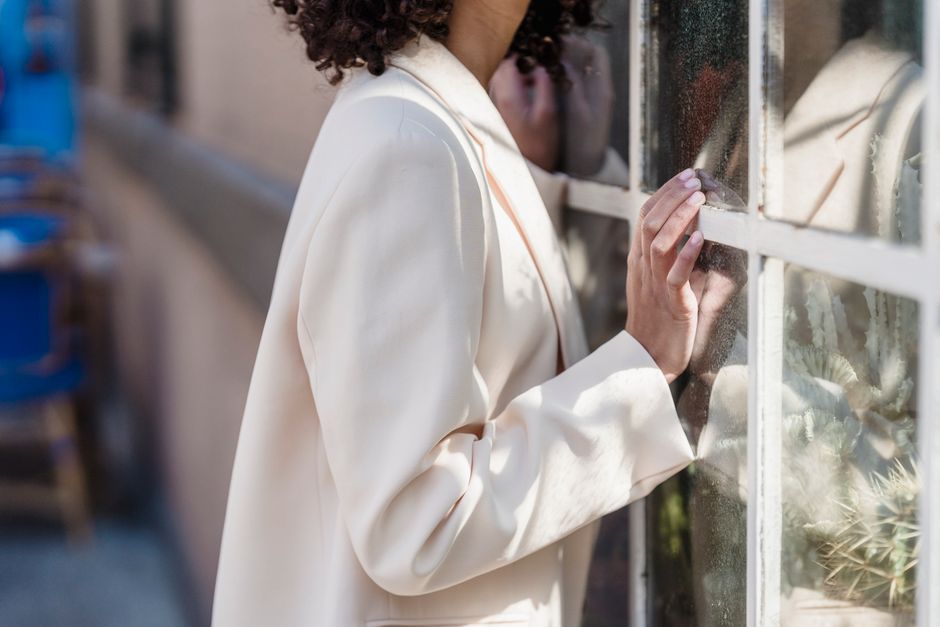
The strongest tailored choice
Pick J.Crew when you need the blazer to look finished from across a room. The Margeaux blazer in four-season stretch is listed at $248 and comes in Classic, Petite, and Tall fits, giving shorter and taller shoppers a better chance of finding the right hem and sleeve without major alterations; its stretch fabric makes it the best J.Crew choice for presentations, dinners, and repeated office wear.
The best warm-weather and statement options
The Margeaux blazer in stretch linen blend is listed at $228 before promotions, with sale prices shown from about $159.50 to $204.99, and it is the clear choice for breathable summer tailoring because the linen blend looks relaxed while the stretch keeps the jacket from feeling rigid; the École blazer in gingham bi-stretch cotton blend costs $298 and wins for a bolder outfit, although its pattern makes it less useful as a one-jacket wardrobe. J.Crew takes the overall polish prize, but the higher price only makes sense if you will wear the jacket often or value Classic, Petite, and Tall options.
Which blazer mistakes make comfort disappear?
Should you size up for a large bust?
Usually, no. Sizing up to create bust room can leave the shoulders too wide and the sleeves too long. Choose the size that fits your shoulders, then check the button and lapel. If the rest of the jacket fits, a tailor can add a small bust adjustment more cleanly than a full-size jump. A blazer that never closes may need a different cut, not simply a larger number.
Is linen always the coolest option?
No. Linen breathes well, but a fully lined linen blazer can feel warmer than a lightweight stretch weave. Linen also wrinkles at the elbows and across the lap after sitting. For a day with travel, meetings, and no time for steaming, a smoother stretch fabric is the safer choice. Choose linen for airflow and texture, not for a wrinkle-free finish.
When should you skip both brands?
Skip a ready-to-wear blazer when the shoulder seam lands far outside your shoulder, the armhole cuts into your underarm, or the front pulls even over a thin top. Those problems rarely disappear after washing or breaking in. If you need a very full bust, a narrow shoulder, or a dramatic waist-to-hip difference, buy for shoulder fit and budget for alterations, or look for a specialty brand with more body-shape options. Never keep a jacket that hurts during the fitting test.
How to build a comfortable blazer outfit in 10 minutes

Use a simple dressing sequence instead of rebuilding your whole wardrobe around the jacket. The goal is a clean base, one comfort check, and one deliberate contrast.
The ten-minute outfit sequence
- Start with a smooth base layer that will not bunch under the armholes. A fitted cotton T-shirt or thin merino knit works better than a bulky sweater.
- Add the blazer and leave it open for the first minute. Check the shoulder line, sleeve length, and back vent before deciding if the outfit looks right.
- Choose a bottom with a different level of structure. Wide-leg trousers soften a sharp jacket; straight jeans make a relaxed jacket look more intentional.
- Add one close-to-the-face detail, such as a small hoop, silk scarf, or crisp collar. This keeps a comfortable jacket from reading as careless.
- Walk, sit, reach, and take one photo from the side. If the hem lifts or the lapel collapses, change the base layer before changing the entire outfit.
The final Uniqlo-versus-J.Crew decision
Choose the Uniqlo Relaxed Tailored Jacket if movement, price, and repeat wear lead the decision. Choose the J.Crew Margeaux in four-season stretch if precise proportions and a more formal finish matter more. That split makes shopping faster: buy the jacket that solves your actual day, not the one that looks best on a hanger. As 2026 workwear keeps moving toward softer tailoring, comfortable blazers will become less about sacrificing structure and more about choosing structure that works with real life.