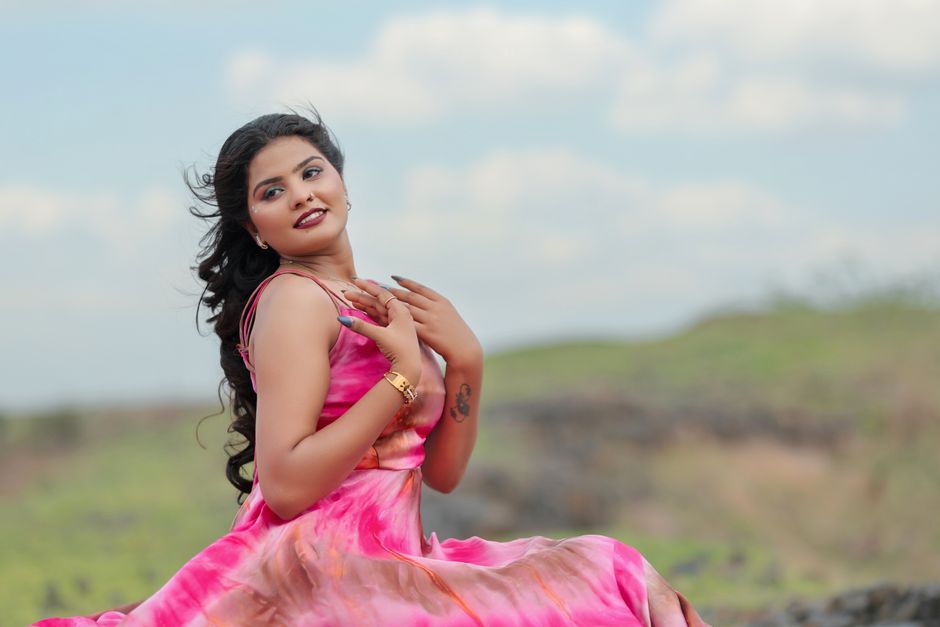
Are you trying to find a summer midi dress that feels light, looks balanced, and does not need constant tugging? Start with proportion, not a label. The best dress is the one that places its waist, hem, neckline, and volume in the right spots for your frame.
What Makes a Midi Dress Flattering?
The most flattering midi dress creates a clear visual path from shoulder to hem. It does not hide your shape under extra fabric, and it does not force your body into a rigid trend shape. The winning fit gives the eye a point of focus at the waist, neckline, or shoulder line, then lets the skirt fall cleanly.
Start with the point where the dress bends
Look for a waist seam, tie, belt, or gentle gathering that lands close to your natural waist. Your natural waist is usually the narrowest area between your ribs and hips, but it may sit higher or lower than the waist seam on a standard-size dress. A seam that lands two inches too high can make the torso look short. One that lands too low can make the legs look shorter. Try the dress while standing naturally, then sit down. The waist should stay in place without cutting into your ribs.
A wrap dress is useful because you can adjust the waist by a few inches. An A-line dress gives the hips room without adding bulk. A column-shaped midi creates a long, clean line, but it needs enough ease at the hips for walking and sitting.
Use the neckline to balance the top half
Necklines change the visual width of the upper body. A V-neck draws the eye down the center and can lengthen a fuller bust. A square neck gives structure and shows the collarbone without requiring a deep cut. A wide scoop neck can soften a narrow shoulder line. Halter and high-neck styles place more emphasis near the face and shoulders, so they work best when the rest of the dress stays simple.
For most summer wardrobes, the strongest choice is a midi with a defined waist, a neckline that follows your comfort level, and a skirt that moves when you walk. That combination solves the main problem a midi dress must solve: keeping coverage while avoiding a heavy, shortened silhouette.
Which Midi Dress Shape Fits Your Proportions?
Body-shape advice works best as a proportion guide, not a set of rules. Compare your shoulder line, waist placement, hip width, and bust volume. Then choose the detail that adds balance. This table gives a useful starting point.
| Proportion to balance | Best starting shape | Helpful details | Details to question |
|---|---|---|---|
| Hips wider than shoulders | A-line or fit-and-flare | Open neckline, defined waist, simple skirt seams | Large hip pockets or stiff fabric at the widest point |
| Shoulders wider than hips | Soft A-line or fuller skirt | V-neck, slim straps, gentle gathers below the waist | Strong shoulder pads or wide boat necks |
| Waist not strongly defined | Column, shift, or belted midi | Vertical seams, wrap panels, long center lines | A narrow belt placed too low |
| Fuller bust | Wrap or shaped bodice | Wide straps, adjustable neckline, stable bust seam | Thin straps and a fixed high neckline that pulls |
| Long torso or shorter legs | High-waisted midi | Shorter bodice, tonal shoes, side slit | Low waist seams and a hem at mid-calf |
For pear proportions, choose controlled volume
If your hips carry more width than your shoulders, the goal is not to cover them. Choose a dress with a clean fit through the waist and a skirt that releases below the fullest hip area. A slightly open neckline, cap sleeve, or brighter upper half can balance the frame. The skirt should skim rather than cling. Too much gathering at the waist adds fabric exactly where the dress needs control.
For straight or apple proportions, create a long center line
A straight frame often looks polished in a column midi with a side slit, vertical seam, or narrow belt. If your midsection is fuller, choose a dress that floats over the stomach instead of gripping it. A V-neck, open shirt collar, and uninterrupted color from shoulder to hem can make the outfit look longer. The best fit leaves two fingers of space at the waist when you breathe and sit.
How Should You Measure and Try On a Midi Dress?
Online size charts help, but a proper try-on reveals more than a single bust or hip measurement. Follow these checks in order.
- Measure three points. Record your fullest bust, natural waist, and fullest hip in inches. Keep the tape level and relaxed. Do not pull it tight to reach a smaller number.
- Check the garment chart. Compare your measurements with the brand chart, not with the size you usually buy. If the bust and hip fall into different sizes, choose the size that fits the larger measurement and adjust the waist with a tie or tailor.
- Find the waist seam. Stand sideways in a mirror. The seam should sit near your natural waist or create a deliberate raised waist. A random position between the ribs and hips usually looks accidental.
- Walk for one minute. Take normal steps, climb one stair, and turn around. If the skirt twists around your legs or the slit opens higher than you want, the cut is wrong for your daily use.
- Sit in the dress. A summer midi should not pull across the bust, ride up sharply, or press into the stomach when seated. Stretch woven fabrics need ease. Non-stretch linen needs even more room.
- Test the straps. Adjustable straps should hold the bust in place without digging into the shoulder. If the straps slide, the bodice may be too large or the angle may not suit your shoulder slope.
- Inspect the lining. Hold the skirt toward daylight. A thin unlined fabric may become transparent across the hips or show every pocket outline. A breathable cotton or viscose lining is usually more comfortable than heavy polyester in hot weather.
- Check the hem with your shoes. Try the dress with the sandals, flats, or low heels you will actually wear. A hem that looks elegant above the ankle can land at the widest part of the calf in a different size or with different shoes.
Use ease as a comfort measurement
Ease means the extra room between your body and the garment. For a fitted woven bodice, about 1 to 2 inches of bust ease often feels neat without restricting breathing. A relaxed skirt may need 3 to 5 inches through the hips for walking. These numbers are starting points, not laws, because fabric weight and stretch change the result.
Take photos from the front and side
A mirror can hide a low waist seam or a collapsing neckline. A quick front and side photo shows if the dress pulls, twists, or drops at the back. Check the image after sitting down. The strongest fit still looks intentional when your body is moving through a normal summer day.
Is the Calf-Length Hem Always the Best Midi Length?
The best midi hem is the narrowest comfortable point below your knee, not a fixed measurement. A hem that ends just below the knee can make the legs look longer on a petite frame, while a hem near the lower calf can look elegant on a taller frame with a longer ankle line.
Choose the hem by leg line
If your calves are fuller in the middle, move the hem slightly higher or lower so it does not stop at the widest point. A small side slit creates movement and exposes a longer vertical line. Tonal shoes also reduce the visual break between dress and foot.
Choose the hem by daily movement
For commuting, walking, or cycling, a hem around mid-calf with a back or side slit is the practical winner; for formal dinners, a longer hem can look more refined, but only if you can climb stairs without lifting the skirt.
Which Summer Fabrics and Details Earn Their Place?
Fabric decides how a midi dress hangs, breathes, wrinkles, and survives repeated wear. A good cut cannot rescue a fabric that traps heat or turns sheer under sunlight. Use the fiber content and construction as your evidence.
Is linen the best choice for hot weather?
For very hot, dry weather, linen is the strongest choice because it feels airy and dries quickly, but it wrinkles and can look more relaxed after a few hours. The Uniqlo Linen Blend Shirt Dress, often priced around $59.90, uses a linen blend and a shirt-dress structure that suits shoppers who want less cling and easy layering. Quince 100% European Linen dresses, often around $70 to $90 depending on the design, feel cooler but need a looser fit to prevent stress at the seams. My budget verdict is Uniqlo for travel and frequent washing; choose pure linen when breathability matters more than a crisp finish.
For humid weather, a light cotton poplin or rayon blend may feel smoother against the skin. The tradeoff is drying time. Rayon can drape beautifully, but it may cling when damp and can need gentler washing.
Which details improve fit instead of adding decoration?
Look for wide straps, a secure bust seam, breathable lining, and pockets placed below the hip curve. Reformation Tagliatelle Linen Dress styles, often listed near $248, show why a shaped waist and adjustable straps can make linen look more polished; the price buys design and finishing, not a magic body-shaping effect. Boden linen midi dresses, commonly priced around $180 to $220, are a strong choice for fuller skirts and defined waist placement. The clear verdict: spend more only when the seam position, lining, and strap adjustment solve a real fit problem.
When Should You Skip a Midi Dress?

A midi is the wrong choice when the hem interferes with your movement, the waist sits in an awkward place, or the fabric demands more care than your routine allows. A knee-length dress gives shorter legs a cleaner line, a maxi can work better when you want full coverage with a continuous silhouette, and a skirt with a separate top lets you fit the bust and waist independently.
Common mistakes that ruin a good outfit
- Buying the smaller size to avoid extra fabric, then losing comfort across the bust and hips.
- Choosing a hem at the widest part of the calf because the model photo made the length look shorter.
- Ignoring transparency until strong daylight exposes the skirt lining and pocket bags.
- Adding a wide belt to a dress with a low waist seam, which can shorten the torso.
- Pairing a floaty dress with bulky shoes when a slimmer sandal would restore the leg line.
Pick another silhouette when the problem calls for it
Choose a knee-length dress if you need fast movement or a sharp office shape. Choose wide-leg trousers and a tucked tank if thigh rubbing makes skirts uncomfortable. Choose a lightweight maxi if sun coverage is the priority. The point of body-type styling is not to force every body into one category or hemline. It is to find the shape that supports the way you actually move.
Summer midi dresses are becoming more useful as cuts improve: adjustable straps, lighter linings, washable blends, and more precise waist placement give shoppers better options than a single trend silhouette. In 2026, the smartest choice remains simple—a dress with the right length, enough ease, and details that match your real day.