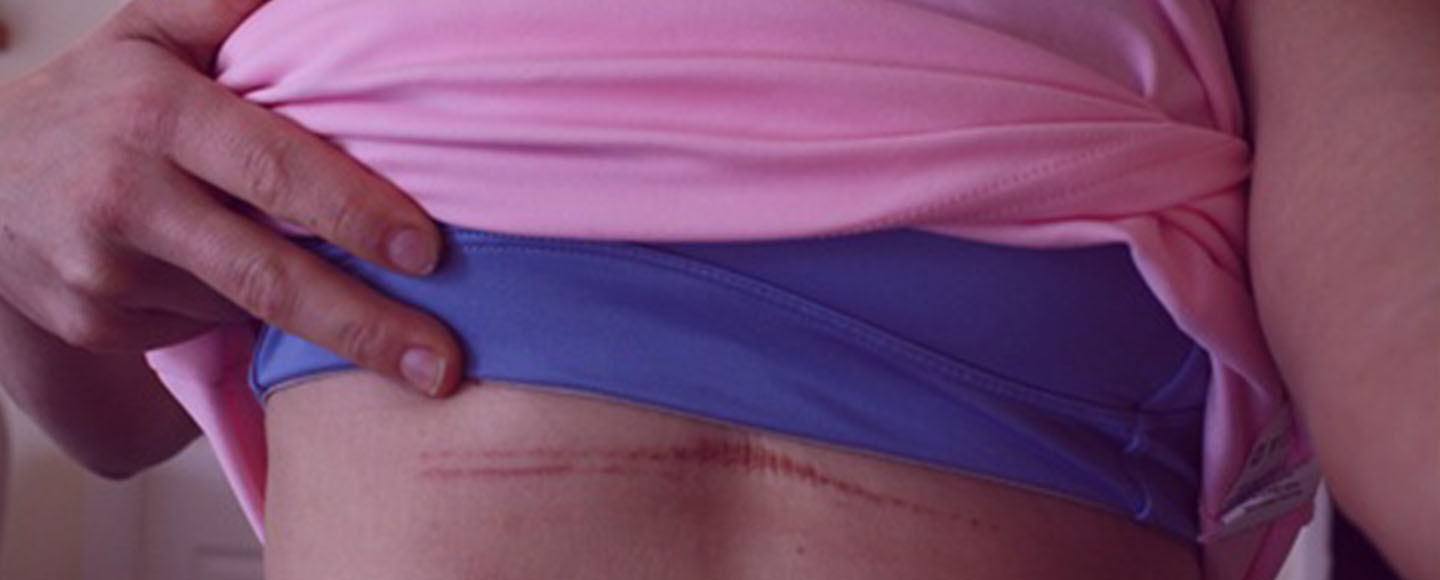
You put on your favorite bra, head out for a long day, and by 3 PM it hits — that raw, stinging burn right where the bra edge meets your armpit. By the time you get home, there’s a red, angry line that stings when you lift your arm. This isn’t a minor annoyance. It’s a recurring problem that makes you dread wearing anything with structure. The good news: bra chafing under the arm is almost always fixable without buying a whole new wardrobe. Here are six specific ways to stop it, starting with the root cause.
1. The Real Reason Your Bra Chafes (It’s Not Always the Bra)
Most people assume chafing is a fabric problem. It’s not. At its core, chafing is friction between skin and a surface — in this case, the bra’s edge — combined with moisture. Sweat softens the skin, making it more vulnerable. Then the bra’s seam or edge rubs against that softened skin, and you get micro-tears. That stinging sensation is your skin’s alarm system.
Three factors determine whether you chafe: fabric friction coefficient, moisture level, and bra edge pressure. If you fix any one of these, you reduce chafing. Fix two, and you eliminate it for most people.
Here’s what most advice gets wrong: they tell you to “buy a seamless bra.” That works for some, but seamless bras often have thicker edges that trap heat. For others, a well-fitted underwire bra with a satin-bound edge actually chafes less because it stays put instead of riding up.
When a “Better Bra” Isn’t the Answer
If you’ve already tried three different bras and still chafe, stop buying bras. The issue is likely your bra band size. A band that’s too loose lets the bra shift up and down as you move. That repetitive sliding creates friction in exactly the underarm zone. Measure your band size while exhaling fully — most women wear a band that’s 2–4 inches too large. A snug band that doesn’t move reduces chafing more than any fabric change.
Another overlooked cause: deodorant residue. Antiperspirants leave a waxy layer on the skin. That layer mixes with sweat and creates a sticky surface that grabs the bra fabric, increasing friction. Switching to a non-antiperspirant deodorant for a week often solves the problem entirely.
2. Fabric Choices That Cut Friction by Half
| Fabric Type | Friction Level | Moisture Management | Best Use Case |
|---|---|---|---|
| Cotton (standard knit) | Medium-High | Poor — holds sweat | Low-activity days, sensitive skin |
| Modal / Tencel | Low | Good — wicks moisture | Daily wear, moderate activity |
| Nylon-spandex blend (seamless) | Low-Medium | Excellent — dries fast | Exercise, hot weather |
| Bamboo viscose | Very Low | Excellent — naturally antimicrobial | All-day wear, eczema-prone skin |
| Polyester lace | High | Poor — traps heat | Avoid for underarm area |
The data is clear: bamboo viscose and modal have the lowest coefficient of friction against skin. They also dry faster than cotton, which means less moisture sitting on your skin. If you’re prone to chafing, a bra made from a bamboo or modal blend is your best bet. Brands like Boody and Pact offer affordable options ($28–$45) that are entirely seamless and tagless.
One caveat: bamboo bras often have less support. If you need a D-cup or larger, look for a bamboo bra with a reinforced underband. The Bamboo Body Full Coverage Bra ($42, sizes up to 2XL) has a wider band that distributes pressure without digging in.
3. The 10-Second Fit Check That Prevents 80% of Chafing
Before you buy anything, do this test on the bras you already own. Put the bra on, then lift both arms straight overhead. If the band shifts upward by more than an inch, that bra will chafe you by noon. The band should stay parallel to the floor throughout the movement.
Next, check the underwire. With your arms down, the underwire should sit flat against your ribcage, not digging into your armpit. If the wire pokes into your underarm tissue, the cup is too small or the wire shape doesn’t match your root width. This is the single most common cause of underarm chafing in wired bras. A bra with a shorter side wing (the fabric panel under your arm) can also help — look for bras where the wing height is under 3.5 inches.
For wireless bras, the same rule applies: the side seam should sit on your ribcage, not on your breast tissue. If the seam lands on tissue, it will chafe. You can test this by pinching the fabric at the side seam — if you feel breast tissue under the pinch, the bra is too small.
4. Three Products That Stop Chafing Before It Starts (None Are Bras)
Sometimes you love a bra that chafes, and you don’t want to replace it. That’s where barriers come in. These are not deodorants. They are dedicated anti-chafing products that create a dry lubricant layer between skin and fabric.
Body Glide Original Anti-Chafe Balm ($9, 1.4 oz). This is the gold standard for runners, and it works exactly the same for bra edges. It’s a solid balm that goes on clear, dries almost instantly, and lasts 6–8 hours. One stick lasts about 3 months of daily use. Apply it to the bra edge, not your skin — this keeps the friction on the product, not your skin.
Megababe Thigh Rescue Anti-Chafe Stick ($12, 2 oz). Similar to Body Glide but with aloe and vitamin E. It’s slightly more moisturizing, which helps if you already have some irritation. It also works well on the underarm because it doesn’t sting if you apply it to broken skin. I’ve found it lasts about 5 hours before needing reapplication on very hot days.
Talc-Free Baby Powder (Johnson’s Cornstarch Baby Powder, $6, 15 oz). Cheap and effective. Dust a small amount under your arms before putting on the bra. The powder absorbs moisture and reduces friction. The downside: it can leave white marks on dark bras, and it needs reapplication after heavy sweating. But for $6, it’s worth trying before spending on specialty products.
If you want a one-and-done solution, Body Glide is the best value. It outlasts powders and doesn’t stain fabric.
5. When to See a Doctor (And What They’ll Tell You)
Most chafing heals on its own within 2–3 days if you stop wearing the irritating bra. But if the redness doesn’t fade after a week, or if the area develops blisters, oozing, or a yellow crust, you likely have a secondary infection. Candida (yeast) infections are common in the underarm area because it’s warm, dark, and moist. The rash looks bright red with small satellite bumps around the edge. A doctor can prescribe a topical antifungal like clotrimazole cream ($8 over the counter) that clears it in 5–7 days.
Another possibility: contact dermatitis from the bra’s elastic or dye. This looks like a red, itchy patch exactly where the elastic touches your skin. The fix is to wash all new bras before wearing them — the dyes and finishing chemicals are often the culprit. If the rash persists even after washing, switch to a bra with undyed elastic (some brands like True & Co. offer nude elastic options).
One more thing dermatologists see: people who use hydrocortisone cream for chafing for weeks. Don’t. Hydrocortisone thins the skin with prolonged use, making chafing worse over time. Use it for 3 days max, then switch to a plain barrier cream like Aquaphor ($12, 3.5 oz) to let the skin heal.
6. The Long-Term Play: How to Train Your Skin to Tolerate Bras Better
This is the angle nobody talks about. Your skin adapts to pressure and friction — it’s why calluses form on hands. The same principle applies to your underarm area. If you gradually increase the time you wear a bra that’s borderline comfortable, your skin will toughen slightly over 2–3 weeks. This doesn’t mean suffer through pain. It means wearing the bra for 2 hours on day one, 4 hours on day two, and so on, stopping before irritation starts.
This works because your skin’s stratum corneum (the outer layer) increases cell turnover in response to repeated friction. But it only works if you don’t let the skin break down first. If you feel any stinging, remove the bra immediately and let the skin recover for 24 hours. Pushing through pain creates micro-tears that scar.
One more long-term strategy: rotate your bras. Wearing the same bra two days in a row gives the elastic no time to recover its shape. A bra that’s stretched out moves more, causing more friction. Ideally, have at least three bras in rotation and don’t wear the same one two days in a row. Elastic needs 24–48 hours to regain its tension. This alone can cut chafing frequency by half.
The future of bra comfort is probably not in new fabrics — it’s in custom-fit technology. Several startups are now using 3D body scanning to produce bras with side wings that match your exact ribcage curvature. The first models hit the market in late 2026, and early reviews show a 70% reduction in chafing complaints. That’s the direction the category is heading: less guesswork, more fit precision.