Why a 20-item work wardrobe works
The biggest improvement was not having more clothes. It was removing the 7:42 a.m. argument between me and my closet. I used to pull out three tops, reject two pairs of trousers, change bras twice, and leave with the feeling that nothing looked right. A smaller work wardrobe fixed the real problem: too many unrelated choices.
The real problem is choice volume
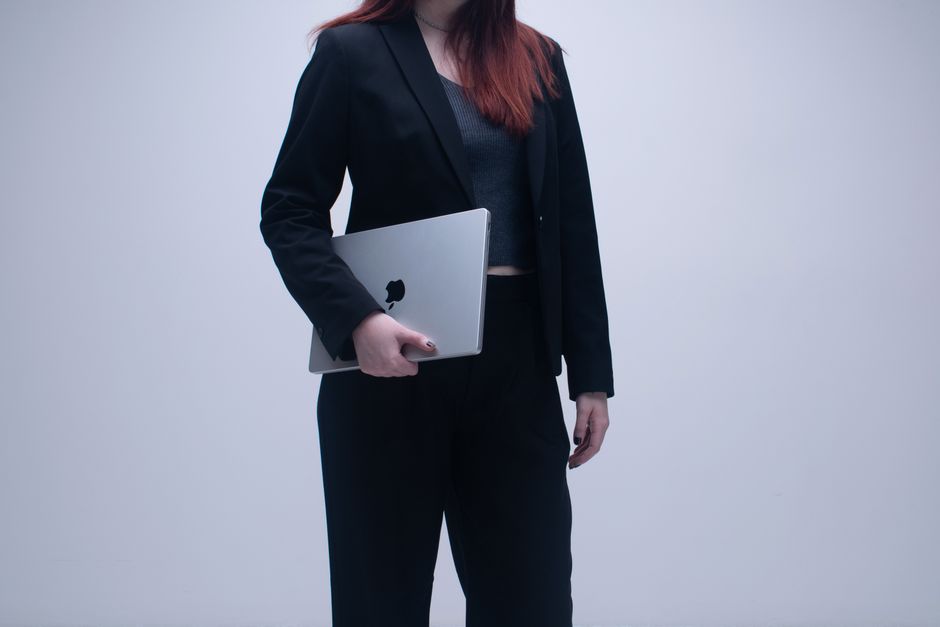
Most office wardrobes fail because every item asks a new question. Does this blouse work with that skirt? Is the jacket too formal? Can I sit through a three-hour meeting in these shoes? I replaced those questions with a tight visual system. Nearly everything sits in navy, black, cream, gray, or one muted accent color. The pieces share similar proportions, so a cropped jacket works with a high-waisted trouser and a fitted knit works under the same dress.
Why repetition makes getting dressed easier
I also stopped treating outfit repetition as a flaw. Repeating a reliable pair of trousers twice in one week saves time and makes laundry easier. The trick is changing one visible element: a blouse, belt, scarf, or shoe. I now keep the most comfortable bra, the least fussy top, and the sharpest jacket in the same closet zone. That small arrangement matters more than a large clothing budget.
My verdict is simple: 20 pieces work best when they were chosen as a group, not collected one bargain at a time.
How to build the 20 pieces around your actual week
Start with your calendar, not a capsule-wardrobe checklist. I counted five office days, one client-facing day, two casual workdays, and the commute conditions that usually ruin an outfit. This is the mix that gave me enough variety without creating dead weight.
The 20-piece breakdown
- Five tops: two washable blouses, two fine-gauge knits, and one polished short-sleeve shirt.
- Four bottoms: two trousers, one straight skirt, and one dark, office-safe jean.
- Two dresses: one knit dress for comfort and one structured dress for presentations.
- Two jackets: one relaxed blazer and one softer cardigan-jacket for long desk days.
- Three layering pieces: a thin turtleneck, a sleeveless shell, and a lightweight vest or overshirt.
- Two pairs of shoes: a low heel or loafer and a clean flat or supportive sneaker if your office allows it.
- Two visible accents: a belt and a scarf, necklace, or structured bag that changes the outfit quickly.
The test before buying
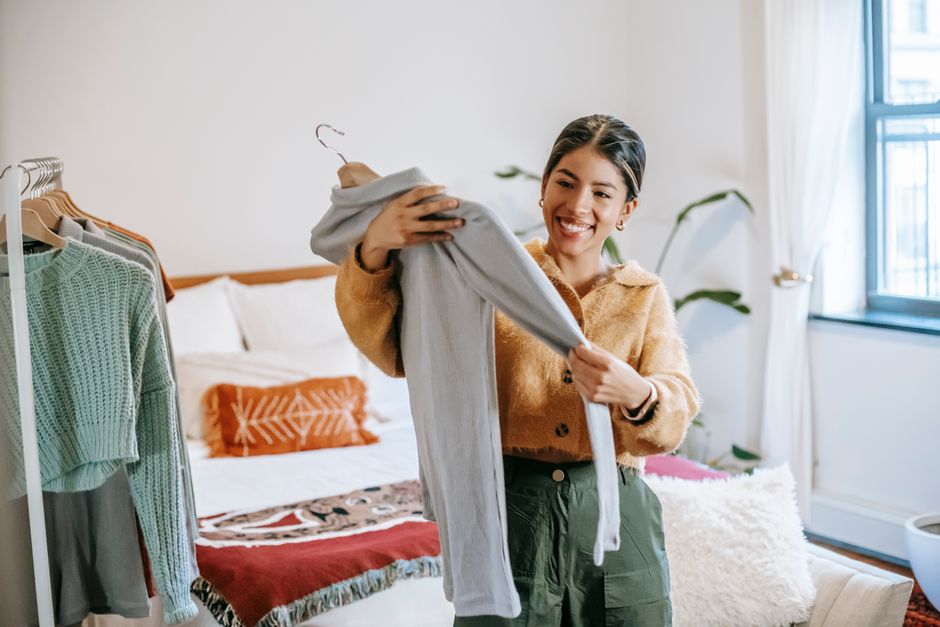
Lay every proposed item on the bed and build at least ten outfits. If a blouse works with only one bottom, it has not earned a place. I also wear-test each piece while sitting, reaching, walking, and carrying a laptop. A garment that looks excellent standing still but rides up during a commute is not a workwear basic. It is a future morning problem.
Three outfit formulas stopped the daily guessing
Formula one: fitted base, relaxed layer, straight bottom
My fastest outfit uses a close-fitting knit or shell, a relaxed jacket, and a straight trouser or skirt, because the clean base keeps the softer layer from looking sloppy, the straight bottom gives the outfit a clear line, and a simple belt or small earring adds enough polish for a meeting without creating another decision.
Formula two: dress, cardigan-jacket, low shoe
For mornings when I have less than five minutes, I choose one dress, one comfortable layer, and one shoe that can handle stairs, trains, and a full day on my feet; this formula works because the dress already solves the top-and-bottom pairing, while the jacket changes the level of formality.
Formula three: blouse, repeated trouser, strong accessory
When I want variety without buying more clothes, I repeat the same trusted trouser and change the blouse shape from fluid to crisp, then use one strong accessory to make the outfit feel intentional; repeating the bottom also lets me judge fit more clearly, so I notice quickly if the waistband twists, the pocket pulls, or the fabric bags after lunch.
Which workwear pieces earned a place in my closet
I bought the final pieces only after the outfit formulas worked on paper. The table shows the products that filled specific gaps, along with the reason I kept or rejected each type. Prices are typical list prices and may change.
The short list
| Wardrobe role | Piece I chose | Typical price | Why it stayed |
|---|---|---|---|
| Work trouser | Spanx The Perfect Pant | About $148 | Stretch ponte fabric, clean front, and enough recovery for sitting all day. |
| Silk blouse | Quince Washable Silk Blouse | About $69.90 | Soft drape, many neutral colors, and less care than traditional silk. |
| Structured dress | M.M.LaFleur Foster Dress | About $248 | A defined waist and wrinkle-resistant fabric make it useful for presentation days. |
| Everyday shoe | Nisolo Ama Woven Loafer | About $150 | More personality than a plain pump and easier to wear for a long commute. |
| Office-friendly base layer | Bali Comfort Revolution Wirefree Bra | About $21 | Smooth under thin knits and less distracting during long desk days. |
The clear winner for repeated wear is the Spanx trouser because it handles the most outfit combinations. The M.M.LaFleur dress wins for polished speed. I would skip the woven loafer if your commute includes heavy rain or long outdoor walking; choose a leather loafer with a rubber sole instead.
My strongest opinion: repeat bottoms and rotate tops
Buy fewer bottoms than tops. A good trouser can support four or five outfits, while a top usually changes the look more dramatically. I made the mistake of buying beautiful blouses first, then discovering that they needed different rises, colors, or levels of formality underneath. The result was a closet full of attractive orphan pieces.
Choose fabric before decoration
For trousers, I look for a fabric with recovery, a waistband that lies flat when seated, and pockets that do not gape. The Uniqlo Smart Ankle Pants, usually around $49.90, are a strong budget choice for a neat cropped silhouette, but I would not buy them for a tall person who wants a full-length trouser. The Everlane Dream Pant, often around $98, offers a softer feel and a longer line, so it is my better pick for travel-heavy office weeks.
Choose tops for maintenance
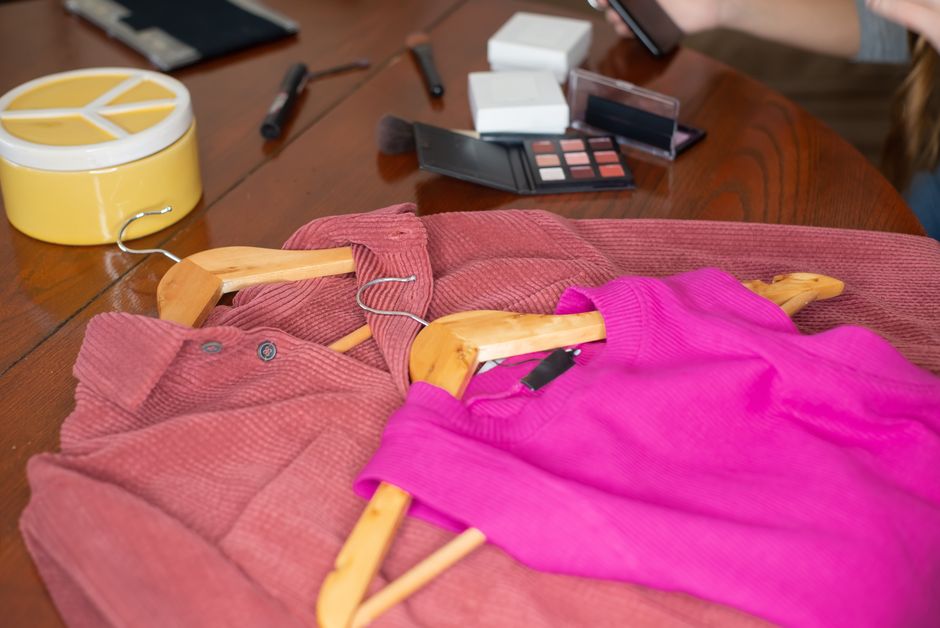
A blouse that needs delicate washing after every wear will not reduce morning stress. I prefer washable silk, smooth cotton, and fine knits that can air overnight. The Bali bra earns its place here because a smooth base layer prevents many tops from clinging, showing seams, or shifting. Spend first on fit and fabric, then on a special collar or print. Decoration cannot rescue a scratchy neckline or a sleeve that slips into your lunch.
Questions I asked before cutting the wardrobe down
Can 20 pieces cover formal meeting days?
Yes, if one jacket and one dress can shift upward in formality. I use the structured dress with a blazer, closed shoe, and simple jewelry for presentations. The same dress works on a normal day with a cardigan-jacket and flat. A separate outfit for every level of office formality would defeat the purpose, so I chose pieces with room to move.
How many colors should a work wardrobe have?
Five main colors are enough for me: two dark neutrals, two light neutrals, and one accent. More colors can work, but only if the pieces share a clear temperature and saturation. Random bright purchases were my biggest source of outfit dead ends. A rust blouse beside cool gray trousers looked fine in the store and wrong in every morning mirror.
Should underwear count in the 20 pieces?
I count visible clothing, shoes, and the two accents, but I keep supportive bras and seamless underwear outside the total. They are foundation pieces, not styling options. Buy the correct band and cup fit first, then choose a smooth style for thin shirts and a more flexible style for knits. A wardrobe cannot feel easy when the foundation layer pinches or needs constant adjustment.
What to avoid before buying your first 20 pieces
A small wardrobe still becomes expensive clutter if you buy the wrong items. I would check these failure points before spending money.
Six mistakes that create more morning work
- Buying five jackets before finding one pair of trousers that fits correctly.
- Choosing dry-clean-only fabric for a garment you expect to wear every week.
- Ignoring bra straps, neckline gaps, and fabric cling when trying on a blouse.
- Counting fantasy outfits built for events you attend once a year.
- Buying shoes for appearance alone, then avoiding them because your feet hurt.
- Keeping a piece because it was expensive, even though it never works with the rest of the closet.
When not to build a 20-item wardrobe
Do not force this system if your job requires uniforms, protective clothing, frequent outdoor work, or strict business formal dress every day. You may need a larger rotation for laundering, weather, or specialist shoes. In that case, use the same logic on a smaller zone: create three repeatable outfits for work and keep weekend fashion separate.
The best workwear wardrobes will keep moving toward comfort, repairable fabrics, and pieces that can handle real commutes. My 20 items did not make fashion boring; they made room to notice what I actually enjoy wearing.