
Picking a belt bag for travel seems simple, but most people get it wrong. They prioritize style or price over critical function, leading to regrets mid-trip. This isn’t just about looking good; it’s about keeping your essentials safe and accessible.
Why Most Travel Belt Bags Fail You
Too many belt bags are fashion accessories pretending to be travel gear. They look great in an Instagram photo but fall apart or offer zero protection the moment you step out of a hotel lobby. This isn’t about blaming the bag; it’s about blaming the expectation that a flimsy design will handle the rigors of travel. You need a tool, not just a trend.
The Fatal Flaw: Security Vulnerabilities
Most affordable belt bags use standard zippers and thin fabric. That’s an open invitation for pickpockets. A quick slash with a knife, and your passport is gone. Zippers that aren’t lockable or easily hidden are also a huge liability. You think you’re being discreet, but a skilled thief sees an opportunity, not an outfit. Brands often skimp on the security features to cut costs, leaving you exposed. Your phone, your cash, your vital documents—all just a single, vulnerable zip away from disappearing. This is a critical oversight.
Comfort Compromises: It’s Not Just About Style
A bag that constantly digs into your side or bounces awkwardly with every step quickly becomes a burden. Many designs prioritize a sleek look, resulting in flat, stiff back panels or non-breathable materials. Walking through an airport for hours, navigating crowded markets, or hiking a trail with a poorly designed bag will make you miserable. Heat and sweat build up against your body. Straps that lack adjustability or padding can chafe the skin. You end up holding the bag to keep it from flopping, which defeats the entire “hands-free” purpose. The goal is to forget it’s even there, not constantly adjust its position. This is a comfort killer, plain and simple.
The Non-Negotiables for a Truly Secure Travel Bag

Security is not an afterthought; it’s the foundation of any good travel belt bag. Without it, you’re just carrying your valuables in a more convenient target. Real travel security isn’t about fear; it’s about smart prevention. You need features that actively deter and frustrate thieves, not just mildly inconvenience them. This means looking beyond basic fabric and a single zipper. Think about the common methods of theft: slitting bags, pickpocketing open zippers, scanning digital data. Your bag needs to counter all of these. Don’t fall for marketing fluff; demand specific, tested features that actually work in real-world scenarios. This is where the cheap options fail hard.
RFID Blocking: Essential, Not Optional
Your passport and most credit cards contain RFID chips. These can be scanned wirelessly from a distance. A thief with a cheap scanner walking through a crowd can lift your data without ever touching you. An RFID-blocking pocket or lining prevents this. It creates a Faraday cage effect, scrambling the signals. Ensure the specific pocket where you’ll keep your passport and cards is indeed RFID-protected. Some bags claim “security features” but only offer a single, small RFID pocket, leaving other critical items vulnerable. Check the specs: Is it a dedicated, shielded compartment? This isn’t paranoia; it’s basic digital hygiene for travel in 2026.
Slash-Resistant Fabrics and Straps
Many street thefts involve a quick knife slash to the bottom or side of a bag. Standard nylon or polyester offers no resistance. Look for bags made with materials like Pacsafe’s eXomesh slashguard or similar anti-slash fabrics. These often incorporate a lightweight, hidden stainless steel mesh or high-density fibers into the fabric itself. The strap is equally important. A standard strap can be cut in seconds. Anti-slash straps, often reinforced with wire or tough polymer, prevent grab-and-run thefts. Don’t compromise here. A bag that can be cut open or snatched away easily is not a travel bag; it’s a liability.
Smart Zipper Security
Standard zippers are useless. They’re easily opened by a skilled hand, especially in a crowd. A secure travel belt bag needs interlocking zippers that can be secured with a small padlock (some bags include one, like Pacsafe), or “smart” zippers that tuck into a hidden compartment or hook onto a clip. These require an extra step to open, deterring opportunistic thieves. Self-locking zippers or those with secure clips add critical seconds, making a thief move on to an easier target. Magnetic closures are a no-go for anything valuable; they’re convenient but offer zero security. Always test how easily the zippers can be accessed with one hand. They should require a deliberate action.
Capacity and Organization: What Fits and What Doesn’t
A belt bag isn’t a backpack. It’s for your absolute essentials, items you need immediate access to without rummaging. Overstuffing it makes it uncomfortable and highlights its presence, defeating the point of discretion. The best bags balance compact size with smart internal layout. You need enough space for specific items, not just general volume. Think about what truly belongs close to your body.
Minimum Volume Requirements
You need at least 1.5-2 liters of capacity. Less than that, and you’ll struggle to fit the bare minimum: passport, phone, small wallet, keys, and perhaps a lip balm or small hand sanitizer. Much more than 3-4 liters, and it starts resembling a small messenger bag, losing the discreet, close-to-body advantage. A typical phone like an iPhone 15 Pro Max measures around 16cm x 7.8cm x 0.8cm. A passport is about 12.5cm x 8.8cm x 0.5cm. Factor in the bulk of a wallet and keys, and you’ll quickly see how quickly space is consumed. Always check the external dimensions, but also look for images of the interior.
Internal Dividers and Key Clips
A single, large compartment is a messy void. You need internal organization. Look for at least one dedicated, padded sleeve for a phone. A separate zippered pocket for cash or a passport is crucial. An internal key clip prevents fumbling at hotel doors. Some bags include small mesh pockets for charging cables or earbuds. This isn’t about carrying more; it’s about making what you do carry immediately accessible and secure. Items rattling around together are not only annoying but can also scratch screens or damage delicate items. Organization also keeps important documents from getting mixed up with receipts or other clutter.
Comfort and Fit: Don’t Underestimate the Wear Test

A secure bag is useless if it’s so uncomfortable you leave it in your hotel room. Comfort dictates usability. This isn’t a one-size-fits-all situation; what works for one person might be agony for another. The design needs to adapt to your body, not the other way around. Don’t just look at the strap; consider the entire body of the bag and how it interacts with you over hours of wear.
How Should a Travel Belt Bag Sit?
It should sit snugly against your body, whether worn around the waist, across the chest, or over the shoulder. There should be minimal bouncing or shifting when you move. When worn cross-body, the main compartment should rest comfortably on your lower back or chest, not dig into your armpit. Around the waist, it should contour to your hips or lower back without feeling bulky. An ideal fit ensures weight distribution is even, preventing pressure points. It’s not about being tight, but secure. You should be able to move freely, bend down, and reach for things without it getting in the way.
What Strap Materials Prevent Chafing?
Avoid thin, stiff nylon straps. Look for wider straps (at least 1.5 inches / 4 cm) made from softer, more flexible materials like seatbelt webbing or a blend that has a bit of give. Breathable mesh on the back panel, where the bag touches your body, is critical, especially in warmer climates. Some higher-end bags use padded straps, which can add comfort for heavier loads, though a true belt bag shouldn’t be heavy enough to require much padding. The adjustment buckles should be smooth and not dig in. Check for any sharp edges on the hardware.
Why is Weight Distribution Critical?
Even a small bag can feel heavy if the weight isn’t distributed properly. If all the weight pulls on a single point, you’ll feel it in your shoulders or hips. A well-designed belt bag spreads the load across a wider area. This is achieved through clever paneling, a slightly wider back section, and a strap that contours rather than just cuts across. When worn cross-body, the ideal position is often lower on the back or hip, using your core strength rather than relying solely on your shoulder. An unbalanced bag is an invitation for muscle strain and general discomfort, especially after a full day of sightseeing.
Top Contenders: Brands That Get It Right (and Why)
Forget the generic fashion fanny packs. These are the brands and specific models that understand what a travel belt bag actually needs to do. They balance security, utility, and a decent aesthetic without sacrificing function. No bag is perfect for everyone, but these offer reliable choices depending on your specific travel style. These are tried-and-tested options.
The Rugged Security Choice
For absolute peace of mind, Pacsafe remains the top pick. Their commitment to anti-theft features is unmatched. The Pacsafe Vibe 150 anti-theft sling pack is the go-to for many seasoned travelers. It has a full suite of features: eXomesh slashguard, Roobar Sport locking system, and RFIDsafe blocking pockets. It’s built like a tank but remains surprisingly comfortable for its security level. It won’t win any fashion awards, but it will keep your passport safe.
The Everyday-to-Travel Hybrid
Bellroy strikes an excellent balance. Their Bellroy Sling Mini offers thoughtful organization and premium materials in a compact form. While it lacks Pacsafe’s extreme anti-theft tech, its robust construction, hidden internal pockets, and water-resistant fabric provide a good layer of deterrence. It transitions seamlessly from a city walk to an airport dash. Cotopaxi’s Bataan 3L Fanny Pack is another solid option, particularly for those who value unique style and sustainability. It’s less security-focused than Pacsafe but offers vibrant designs and practical capacity. Its main advantage is its distinct, eye-catching aesthetic and comfortable fit.
| Feature | Pacsafe Vibe 150 | Bellroy Sling Mini | Cotopaxi Bataan 3L |
|---|---|---|---|
| Capacity | 2.5 Liters | 4 Liters | 3 Liters |
| Dimensions (Approx.) | 16 x 27 x 9 cm | 12 x 26 x 6 cm | 15 x 28 x 10 cm |
| Material | 210D Nylon, eXomesh | Recycled woven fabric | Repurposed ripstop nylon |
| Key Security | Slashguard, Locking zippers, RFID | Water-resistant, Hidden pockets | Durable fabric, Main zip access |
| Weight (Approx.) | 320g | 215g | 113g |
The choice here depends on your priority: maximum security from Pacsafe, sleek everyday versatility from Bellroy, or vibrant, lightweight eco-conscious style from Cotopaxi. Don’t cheap out. These bags hold your most important travel items.
When to Ditch the Belt Bag Entirely
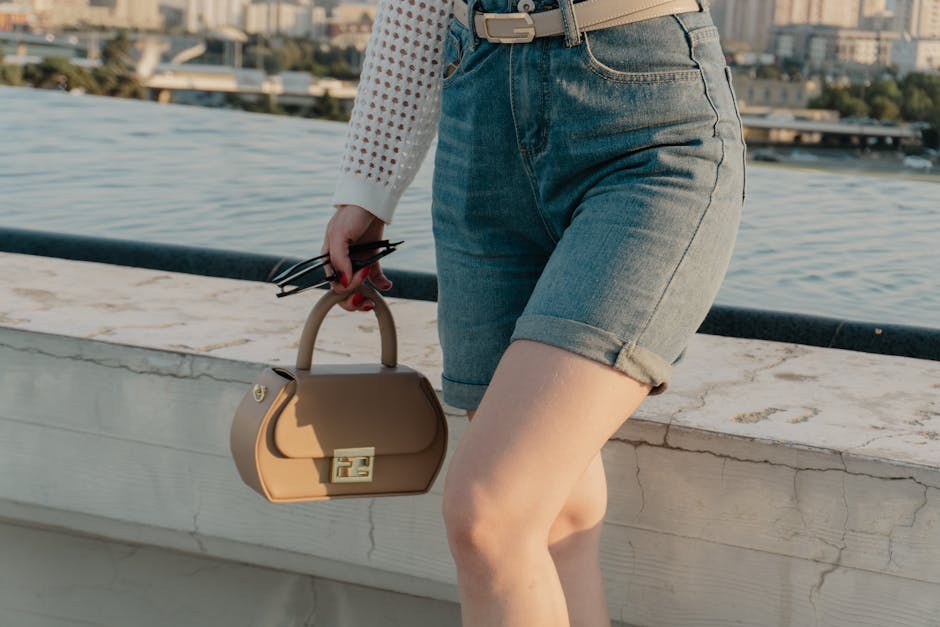
A belt bag isn’t a universal solution. If you need to carry a laptop, multiple cameras, or a full day’s worth of supplies, it’s the wrong tool. It also looks out of place in formal settings or high-end restaurants. Know its limits; don’t force it to be something it’s not.