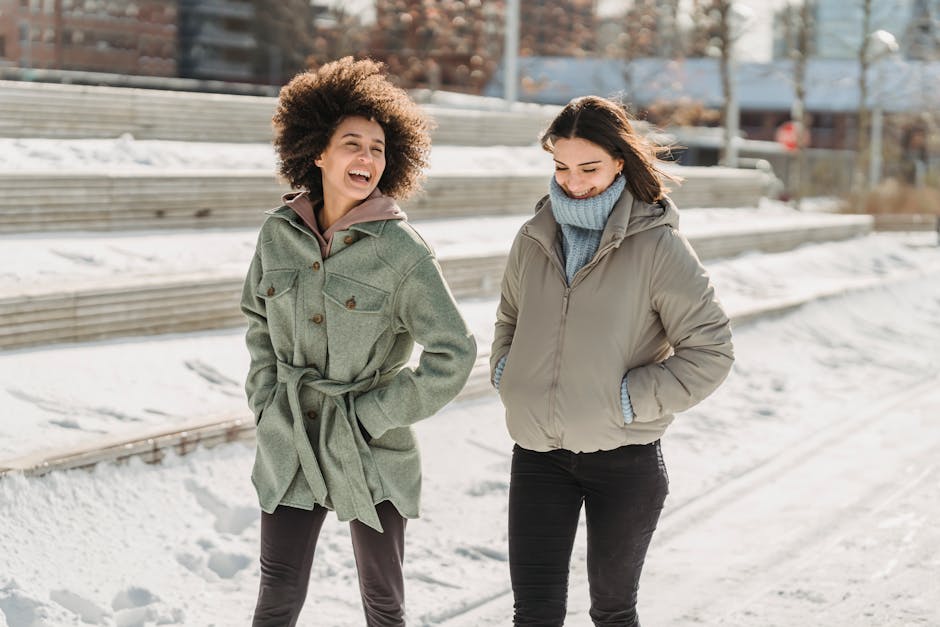
Ever bought a ‘warm’ coat only to shiver walking two blocks? Happens all the time. You expected warmth, got disappointment. That’s because most marketing hype is just that: hype. You need to know what actually makes a coat warm, not just look warm. This isn’t about looking cute. It’s about surviving winter without frostbite or looking like a marshmallow. Get to the point: here’s what works for women’s winter coats in 2026.
What to Look For in a Seriously Warm Winter Coat
Forget the fluffy descriptions. A winter coat is a piece of technical gear. Its job is to keep you warm, dry, and alive. Period. Don’t fall for pretty colors if the insulation can’t handle a blizzard. The key elements are insulation type, shell material, and how well it seals out the cold. Ignore any single one, and you’ll regret it. You need the full package.
Insulation Types: Down vs. Synthetic
This is where most people get it wrong. Down insulation is the gold standard for warmth-to-weight ratio. It’s lightweight, incredibly compressible, and traps air efficiently. Look for a ‘fill power’ rating. Anything 600-800+ is excellent. The higher the number, the fluffier and warmer the down for its weight. But down is useless when wet. It clumps, loses loft, and your body heat disappears. Not good.
Synthetic insulation, on the other hand, performs well even when damp. Brands like PrimaLoft or Thinsulate are common. It’s heavier and bulkier for the same warmth as down, but more affordable and easier to care for. If you live somewhere wet and cold, or plan on heavy activity that generates sweat, synthetic might be better. For dry, extreme cold, down wins. Make your choice based on your actual climate, not just a price tag.
Shell Materials: Weather Resistance
What’s the point of great insulation if the wind cuts right through it, or rain soaks it instantly? The outer shell is your first line of defense. It needs to be windproof and water-resistant, if not fully waterproof. Look for DWR (Durable Water Repellent) finishes. For true waterproofing, you need GORE-TEX or similar proprietary membranes. Check the waterproof rating in millimeters (mm). 10,000mm is decent for most conditions. 20,000mm+ is for serious downpours and blizzards. A shell that isn’t breathable will leave you clammy and cold. Breathability ratings (e.g., 10,000 g/m²/24hr) are also important, especially if you move around a lot.
Fit and Features: Sealing Out the Cold
A warm coat isn’t just a big puffy thing. It’s a system. The fit matters. It should be snug enough to trap heat but loose enough for layering. Think about specific features. A good hood is non-negotiable. It needs to be adjustable, insulated, and ideally detachable. Cuffs with elastic or velcro seals prevent cold air from sneaking up your arms. A high collar protects your neck and chin. Draft flaps over zippers are crucial. Pockets should be insulated and deep enough to keep your hands warm and store essentials. Don’t overlook these details; they differentiate a good coat from a great one.
Common Mistakes Women Make When Buying Winter Coats

- Prioritizing Style Over Substance: You see a cute coat. It’s trendy. It’s thin. It looks good in the store. Then you step outside in January and realize it’s useless below 40°F. Stop it. Buy for warmth first. You can find stylish coats that are also functional, but don’t sacrifice function for a fleeting trend.
- Ignoring Temperature Ratings or Intended Use: A coat designed for mild city winters won’t cut it in a mountain town. Check the manufacturer’s temperature ratings or suggested use cases. If it says ‘light winter,’ don’t expect it to handle a polar vortex. Read the damn label.
- Forgetting About Layering: Your coat isn’t the only thing keeping you warm. It’s the outer layer of a system. Buy a coat that allows for a sweater or a fleece underneath without feeling restricted. A coat that’s too tight restricts blood flow, making you colder.
- Skimping on Zippers and Hardware: Cheap zippers are a nightmare. They snag, break, and let cold air in. Look for YKK zippers, which are robust and reliable. Same goes for snaps and drawcords. If it feels flimsy in the store, it will fail in the cold.
- Buying the Wrong Length: A short jacket might be fine for quick errands, but for serious warmth, you need coverage. A parka or long coat that hits mid-thigh or even below the knee provides significantly more warmth by protecting your core, hips, and upper legs. Don’t expose yourself.
The Best Everyday Commuter Coats for City Winters
Look, if you’re navigating urban jungles, you need a coat that can handle the cold, wind, and occasional slush, but still lets you move. You also don’t want to look like you’re about to scale Everest. My picks balance performance with a somewhat refined aesthetic.
Canada Goose: The Urban Standard
This brand is expensive. No argument. But Canada Goose delivers on warmth. For city commuting, the Canada Goose Trillium Parka or the Mystique Parka are solid choices. The Trillium ($1,350) offers a flattering fit, 625 fill power white duck down, and a TEI (Thermal Experience Index) rating of 3, meaning it’s comfortable for -10°C to -20°C. The Mystique ($1,650) goes even further with a TEI 5, down to -30°C. They’re heavy, but they block wind and trap heat like no other. Worth the investment if you face truly brutal winters and want something to last for years.
Arc’teryx: Technical & Sleek
Arc’teryx isn’t just for mountain climbers anymore. Their urban-focused pieces are top-tier. The Arc’teryx Patera Parka ($800) is a prime example. It combines down and synthetic insulation (Down Composite Mapping) with a GORE-TEX outer shell. This means it’s fully waterproof, windproof, and still incredibly warm. It has a sleek, minimalist design that doesn’t scream “expedition.” It’s lighter than Canada Goose options but still provides excellent warmth for cold, wet city conditions. It’s an investment in smart engineering.
The North Face: Reliable Workhorses
For a more accessible price point with proven performance, The North Face is consistently good. The The North Face Arctic Parka ($300-$350) is a go-to for many. It features 550 fill power down and a waterproof, breathable DryVent shell. It hits mid-thigh, offering good coverage, and has a removable faux-fur hood. It’s not as warm as a Canada Goose, but it’s more than sufficient for most city winters down to about -15°C. It’s a workhorse: durable, practical, and you see them everywhere for a reason – they just work.
Budget-Friendly Winter Warmth: Brands That Deliver Without Breaking The Bank

You don’t need to mortgage your house for a warm coat. Plenty of brands offer solid performance without the premium price tag. You might sacrifice a little on specific features or the absolute warmest rating, but you’ll stay comfortable.
| Brand | Typical Price Range | Key Features | Best For |
|---|---|---|---|
| Columbia | $150 – $300 | Omni-Heat Reflective lining, synthetic insulation, water-resistant shells, active fit. | Mild to moderate winters, active use, good value. |
| Eddie Bauer | $100 – $400 | High fill-power down options (650-800+), storm-repel DWR, longer parkas available. | Reliable warmth, classic styles, often on sale, good down quality for price. |
| Uniqlo | $80 – $200 | Ultra Light Down series (compressible), Seamless Down Parkas (wind/water resistant), Heattech lining. | Layering, travel, surprisingly warm for price, sleek aesthetic. |
| Old Navy / Gap | $70 – $180 | Basic puffers, mid-length parkas, synthetic insulation, fleece-lined pockets. | Everyday casual, short commutes, layering, very budget-conscious. |
Don’t dismiss these brands. Columbia’s Omni-Heat technology genuinely adds warmth. Eddie Bauer often has excellent sales on their down parkas, giving you a lot of bang for your buck. Uniqlo’s Ultra Light Down is perfect for layering or travel, and their Seamless Down Parkas are surprisingly effective for urban conditions. For true budget, Old Navy and Gap can get you through, especially if you layer appropriately. Just manage expectations; they won’t handle arctic blasts, but for typical cold days, they’re perfectly fine.
When Extreme Cold Calls: Expedition-Grade Options
Forget fashion, forget trends. When the mercury drops to -25°C or colder, and you’re out there for more than a few minutes, you have two real choices for a women’s coat: Patagonia and Arc’teryx. These are purpose-built for survival in truly brutal conditions. Anything less is a gamble with your well-being.
Style Meets Substance: Fashion-Forward Winter Jackets That Actually Perform

Can a fashionable coat really be warm?
Yes, but you have to choose carefully. Many brands now fuse genuine technical performance with high-end aesthetics. It’s not just about a thin wool blend with a nice cut anymore. Look for brands that incorporate proper insulation (down or high-quality synthetic) and weather-resistant shells into their stylish designs. Mackage and Moose Knuckles are prime examples; they cost a fortune, but you get warmth and a specific look. Mackage’s parkas, like the Adali ($1,000+), often feature 700+ fill power down and water-repellent fabrics while maintaining a tailored silhouette. Moose Knuckles offers similar warmth and style but often with a more rugged, edgy aesthetic, like their Debbie Bomber ($900+).
What about wool coats for warmth?
Traditional wool coats have their place, but they are generally not suitable for extreme cold or wet conditions as a primary outer layer. Wool is warm, especially high-quality blends, and looks fantastic. A heavy cashmere or merino wool coat can be perfectly adequate for a crisp autumn day or a mild winter evening if you’re going from car to building. However, they lack the windproof and waterproof properties of a technical parka. They also get incredibly heavy when wet and lose significant insulating power. If you want a wool look, consider technical wool blends from brands like Arc’teryx or Mackage that integrate a membrane or insulation layer, but be prepared for a higher price. For serious warmth, a wool coat is a layering piece, not the main event.
Are puffer coats always bulky?
Not anymore. The technology for down and synthetic insulation has advanced significantly. While many ultra-warm puffers still have a substantial loft, brands are creating sleeker, less bulky versions that retain impressive warmth. Look for puffers with a higher fill power down (700+) which provides more warmth for less bulk. Also, consider the baffling pattern – smaller, more intricate baffles can often create a more streamlined silhouette compared to large, widely spaced ones. Brands like Uniqlo offer incredibly lightweight and compact puffers that are perfect for travel or as a mid-layer, proving that puff isn’t synonymous with bulk anymore. It’s about smart design and efficient insulation.
How to Care for Your Investment Winter Coat
You dropped serious cash on this thing; don’t ruin it with neglect. Proper care extends its life and maintains its warmth. Your winter coat isn’t a disposable item. Treat it like the piece of technical gear it is. Follow these rules.
Washing Down Coats Correctly
This is crucial. Most down coats can be machine washed, but you need to do it right. First, check the care label. Always. Use a front-loading washing machine; top-loaders with agitators can damage baffles. Use a specialized down soap (like Nikwax Down Wash Direct), not regular detergent, which strips natural oils from down and leaves residue. Wash on a gentle cycle with cold water. The drying process is key: use a large dryer on low heat with several clean tennis balls or dryer balls. This breaks up the down clumps and restores loft. It takes a long time, often several hours, and you need to check and fluff it manually every 20-30 minutes. Make sure it’s completely dry before storing; any dampness will cause mold and ruin the down.
Storing Your Coat Off-Season
Don’t just shove it in a closet. When winter ends, clean your coat thoroughly as described above. Ensure it’s bone dry. Store it uncompressed in a cool, dry place. Hanging it on a wide, sturdy hanger is best to maintain its shape and loft. Avoid cramming it into a tight space, which can compress the insulation and reduce its effectiveness over time. If you must use a storage bag, choose a breathable garment bag, not a plastic one, which can trap moisture. Protecting your coat from moths is also a good idea; cedar blocks work well.
Repairing Minor Damage
Small rips and tears are inevitable, but easily fixed. For minor punctures or tears in the shell, a gear repair patch (like those from Tenacious Tape by Gear Aid) is your best friend. They’re strong, waterproof, and come in various colors. For down leakage, carefully push any feathers back in before applying the patch. For zippers, a little silicone lubricant can often fix stiffness. Don’t ignore small issues; they tend to get worse and compromise the coat’s warmth and weather resistance. A quick fix now saves a major repair or replacement later. If it’s a significant issue, take it to a professional dry cleaner specializing in outerwear or contact the brand for repair services.