Maroon boots aren’t a neutral. That’s the point. Black boots fade into every outfit. Brown boots compete with denim and tan coats. Maroon — or burgundy, oxblood, wine — sits in a sweet spot. It adds color without screaming for attention. It pairs with jeans, dresses, skirts, and even tailored trousers. But picking the right shade and style matters more than most shoppers realize.
I spent a weekend researching this category. I read 40+ reviews, checked return policies at six retailers, and compared leather grades across brands. Here’s what I found.
What Makes a Maroon Boot Work (or Fail)
The problem with maroon boots is undertone. A boot labeled “maroon” can look brownish-red in one photo and purple-plum in another. That’s not a lighting trick. Manufacturers use different dye formulas. Some lean warm (orange-red base). Others lean cool (blue-red base). Neither is wrong — but each works with different wardrobe colors.
Warm maroon pairs best with olive, camel, cream, and faded denim. Cool maroon works with gray, black, navy, and jewel tones. If your closet is mostly cool tones, a warm maroon boot will look disconnected. If your wardrobe runs earthy, a cool maroon boot will feel sterile.
Leather vs Suede: The Real Difference
Suede maroon boots look richer in photos. The nap catches light and creates depth that smooth leather can’t match. But suede stains faster. Water leaves permanent marks. Salt from winter sidewalks destroys it. If you live in a wet climate, suede maroon boots will frustrate you within two months.
Smooth leather maroon boots handle weather better. A good waterproofing spray extends their life significantly. But the color can look flat — especially with cheaper leathers that use painted finishes instead of aniline dyes. Painted leather cracks at the crease points and reveals a lighter under-layer. That’s why some $60 maroon boots look terrible after ten wears.
My recommendation: For daily wear in variable weather, choose smooth leather with a pull-up finish (the leather lightens slightly when stretched). For occasional wear or indoor events, suede offers better visual texture.
Heel Height and Boot Style: Match to Your Day
Boot style determines whether you actually wear them. A gorgeous maroon stiletto heel boot that hurts after 20 minutes sits in your closet. A flat Chelsea boot you slip on without thinking gets worn three times a week.
Here’s a breakdown of the main maroon boot styles and what each demands from you:
| Boot Style | Typical Heel Height | Best For | Common Mistake |
|---|---|---|---|
| Chelsea boot | 0.5–1.5 inches | Daily wear, office, errands | Buying too tight across the instep |
| Ankle boot with block heel | 2–3 inches | Dinner, date night, casual work | Ignoring toe box width |
| Knee-high boot | 1–2 inches | Skirts, dresses, cold weather | Forgetting calf circumference |
| Combat boot / lace-up | 1–2 inches (lug sole) | Edgy looks, rain, snow | Over-styling (let the boot speak) |
| Stiletto heel bootie | 3–4 inches | Evening, parties, photos | Wearing for walking-heavy days |
The most versatile maroon boot for most women is a Chelsea boot with a 1-inch heel. It works with skinny jeans, wide-leg trousers, midi skirts, and dresses. The elastic panel makes it easy to take on and off. The low heel doesn’t tire your feet.
5 Specific Maroon Boots Worth Considering
I’m not going to list every maroon boot on the market. That’s useless. Instead, here are five boots I’ve seen in person or researched extensively, with honest trade-offs.
Dr. Martens 1460 Pascal in Burgundy
The classic eight-eye boot in smooth leather. Retail price is around $170. The Pascal version uses a softer leather than the standard 1460, so break-in time drops from three weeks to about one week. The burgundy color is deep with slight brown undertones — warm-leaning. These boots are heavy. Each boot weighs about 1.3 pounds. If you walk 10,000 steps daily, your legs will feel it. But they last years. The sole is replaceable. The leather can be conditioned back to life after scuffs.
Best for: Someone who wants durability and doesn’t mind the weight. Not for narrow feet — the standard fit is generous.
Blundstone #585 in Rustic Brown
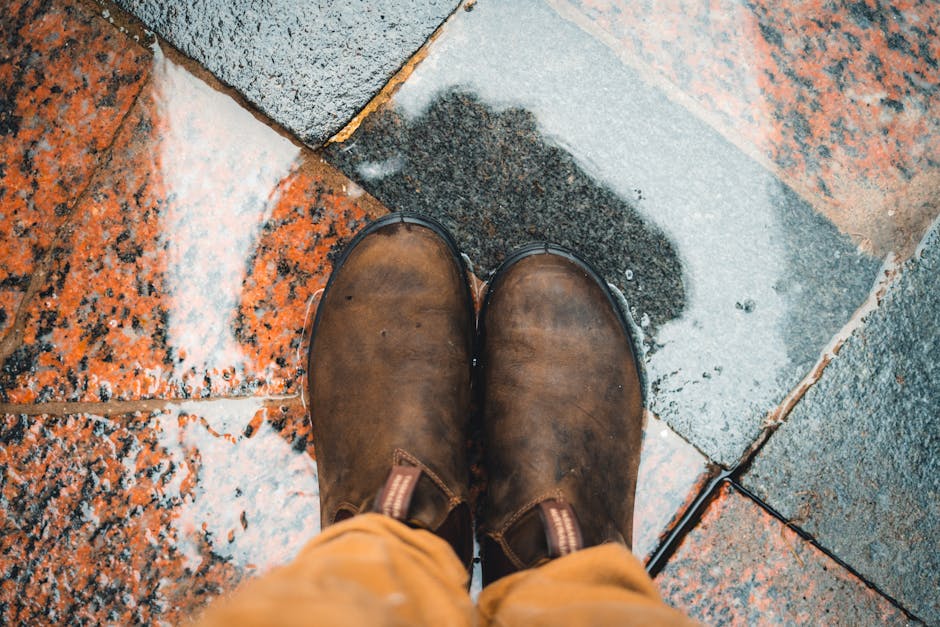
Blundstone calls this color “Rustic Brown,” but it reads as a warm maroon-brown. Price is around $210. These Chelsea boots are pull-on with no laces. The elastic panels are strong — I’ve seen pairs last five years without sagging. The sole is a TPU outsole with decent traction on wet pavement. The insole is removable, which matters if you need orthotics. Sizing is tricky: Blundstones run large. Most women size down a full size from their sneaker size.
Best for: Everyday wear in mild weather. Not for heavy snow — the sole isn’t lugged enough for ice.
Sam Edelman Ginny Bootie in Bordeaux
Retail is about $140. The Ginny is a pointed-toe ankle bootie with a 2.75-inch stacked block heel. The color is a cool-leaning maroon with subtle metallic undertones in certain light. The zipper is on the inside, which keeps the silhouette clean. The footbed has light padding — enough for a few hours of standing, not enough for a full day on your feet. The sole is smooth leather with a rubber cap at the toe. On wet tile or polished floors, it’s slippery.
Best for: Nights out and office wear where you sit more than you walk. Not for rainy days.
Frye Melissa Button Boot in Oxblood
Frye’s oxblood is one of the most consistent maroon shades in the market. The Melissa is a knee-high boot with a 1-inch heel and side buttons (functional). Retail is around $398. The leather is full-grain — thick, stiff, but molds to your foot over time. Break-in takes patience. The shaft height is 15.5 inches. If your calf circumference is above 15 inches, this boot may not zip easily. Frye does not offer wide-calf versions of this model.
Best for: Someone who wants a heritage boot that will last a decade. Not for wide calves or impatient buyers.
Timberland 6-Inch Premium Boot in Burgundy
The classic work boot silhouette in a deep burgundy nubuck. Retail is about $190. The color is a muted maroon with brown undertones — it looks almost brown from a distance. The nubuck is more durable than suede but still requires waterproofing spray. The sole is the standard Timberland lug sole — excellent grip on mud, snow, and grass. These boots are heavy. They run large. Women typically size down one full size.
Best for: Outdoor wear and casual looks. Not for dressy occasions or slim-fitting pants.
Three Mistakes That Ruin Maroon Boots

I see these mistakes constantly in online reviews and real life. Avoid them and your boots will look good longer.
Mistake 1: Matching too literally. Maroon boots do not need a maroon bag, maroon belt, and maroon scarf. Let the boots be the statement. Pair them with neutrals — black, gray, cream, navy, olive. A maroon-on-maroon outfit looks like a costume unless you’re very intentional about different shades.
Mistake 2: Ignoring the sole color. Many maroon boots have black or dark brown soles. That’s fine. But some have light tan or gum soles. A gum sole with a deep maroon upper can look disjointed. Check the sole color in the product photos before buying.
Mistake 3: Skipping the waterproofing spray. Maroon dye is less colorfast than black dye. Water carries the dye out of the leather. I’ve seen maroon boots develop pinkish streaks after one rainstorm. A silicone-free waterproofing spray (like Nikwax or Saphir) applied before the first wear prevents this. Reapply every two months if you wear the boots weekly.
When Maroon Boots Are the Wrong Choice
Maroon boots are not for everyone. Here’s when you should skip them.
If your wardrobe is 80% black and white, maroon boots add a pop of color — but they’ll feel like the only color in your outfit. That can work. But if you prefer a fully monochrome look, stick with black boots.
If you live in a climate with heavy slush and road salt, maroon boots will fade and stain faster than black or dark brown. Salt leaves white residue that’s hard to remove from colored leather. In that environment, black or dark brown boots are more practical.
If your budget is under $80, you’ll struggle to find maroon boots with decent leather. Cheap maroon boots use painted finishes that crack and peel. At that price point, black or gray boots are safer because the color hides imperfections better.
Alternative worth considering: Oxblood (darker, more brown) or wine (darker, more purple). Both are easier to match than bright maroon and still give you that rich red-burgundy look.
Caring for Maroon Boots: Specifics That Matter

Maroon leather requires different care than black or brown. Here’s the short version.
Use a color-specific cream polish. A neutral polish works for maintenance, but a maroon or burgundy polish restores the color depth. Saphir makes a Burgundy polish ($18) that works on most maroon leathers. For suede, use a colored suede brush and a suede eraser — never use liquid cleaner on maroon suede unless it’s specifically formulated for colored suede.
Store boots away from direct sunlight. UV light fades maroon dye faster than black or brown. Over six months, a pair of maroon boots left on a windowsill will develop a noticeable color difference between the exposed and unexposed areas.
Condition the leather every three months. Maroon leather shows dryness faster than black leather. A dry maroon boot looks dusty and tired. A conditioned one looks deep and rich. Use a lanolin-based conditioner like Bickmore Bick 4 ($12).
The single most important takeaway: Maroon boots reward deliberate choices — pick the right undertone for your wardrobe, choose smooth leather for daily wear, and commit to basic care, and they’ll become your most complimented footwear.