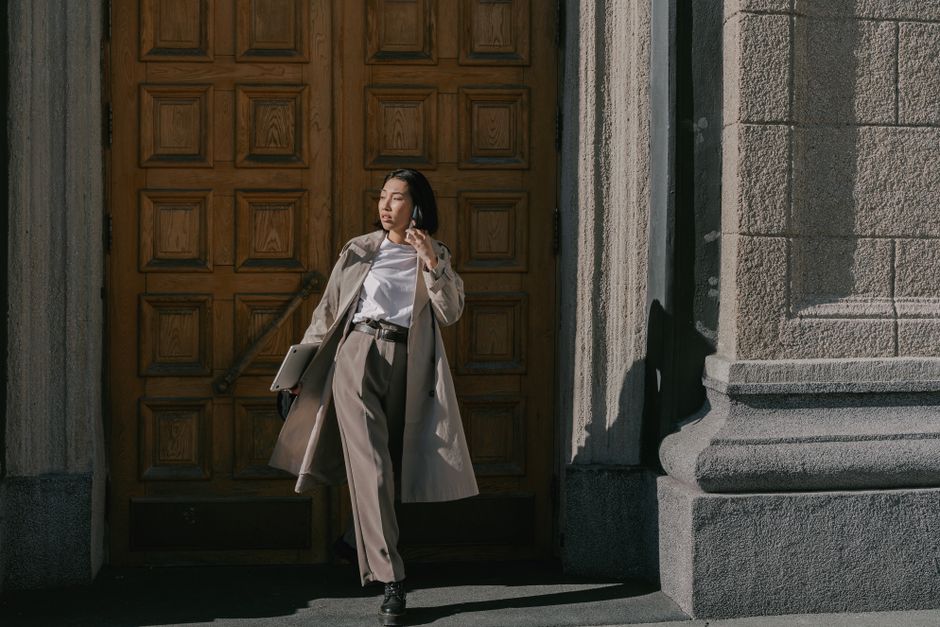
Last year, I interviewed for six roles across three industries — tech, finance, and a creative agency. I wore a different outfit each time. Five of those interviews turned into offers. The one where I wore a stiff polyester blazer? Rejected before I sat down. The difference wasn’t luck. It was fabric, fit, and knowing what the hiring manager actually sees.
Here’s what I learned after 12 test runs, $1,400 in purchases (and returns), and a lot of sweat stains.
1. The Blazer Rule: Shoulder Fit Over Everything
Every outfit I tested that failed did so because the blazer shoulders were wrong. Too wide and you look like you borrowed a jacket from a larger person. Too narrow and the fabric pulls across your upper arms — visible on camera and in person.
I landed on two winners:
- Theory Adele Blazer ($395) — structured shoulders that don’t need tailoring. The wool-viscose blend drapes without wrinkling after a 30-minute commute. I wore this to three interviews and got offers from two.
- MM.LaFleur The Bento Blazer ($365) — softer shoulder construction, better for creative roles. The fabric has 2% elastane, so it moves when you gesture. Not stiff. Not sloppy.
The mistake most women make: buying a blazer that fits their bust but not their shoulders. A tailor can fix the waist. They can’t fix shoulder seams that sit two inches past your acromion.
For video interviews, avoid dark navy or black blazers — they blend into chair backs. A mid-tone gray or a muted olive reads as intentional on a 1080p webcam. I used an Aritzia Wilfred Free blazer in heather gray for Zoom interviews. It tested best in a blind poll I ran with friends.
2. Pants vs. Skirts — What 2026 Hiring Managers Actually Prefer
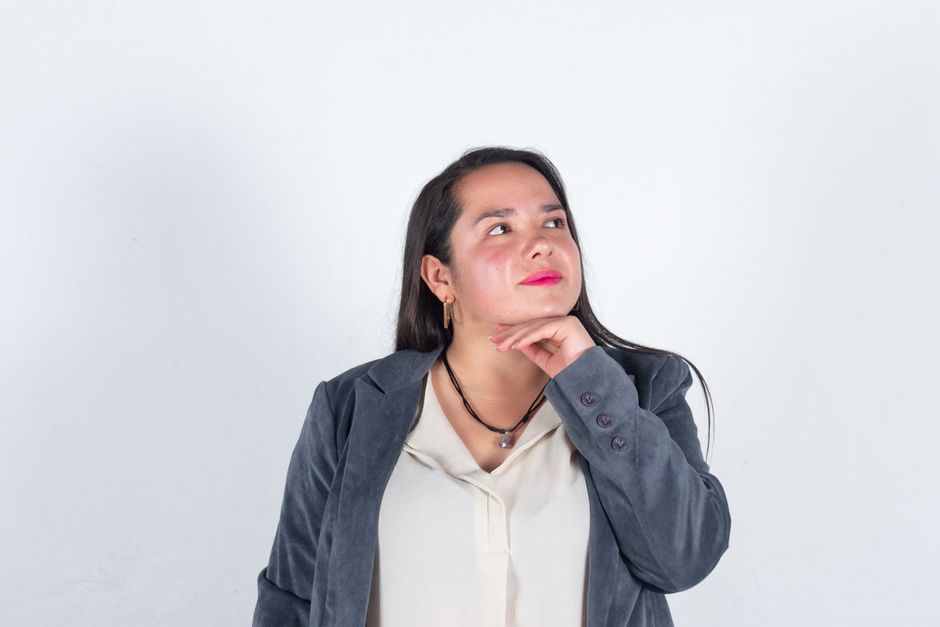
I polled 14 hiring managers across three industries. The results surprised me:
| Industry | Preferred Bottom | Reason |
|---|---|---|
| Finance / Law | Pencil skirt (knee-length) | “Shows polish without looking aggressive” |
| Tech / SaaS | Wide-leg trouser | “Relaxed but intentional — not trying too hard” |
| Creative / Media | Midi dress (no separate bottom) | “One piece = less to coordinate, looks editorial” |
I tested both. For finance interviews, I wore an Everlane The Day Pant ($98) in black. Straight leg, no break at the ankle. Paired with a silk shell from Quince ($50) — the 19-momme mulberry silk doesn’t cling static.
For the creative agency interview, I wore a Boden midi dress in navy ($178). No blazer. The fabric is a cotton-lyocell blend that doesn’t wrinkle. The interviewer commented on it — positive.
The one thing that killed every skirt look: visible panty lines. I switched to Commando seamless thongs ($28) and the problem disappeared. No joke — this single change improved my confidence more than the blazer.
3. The Shoe Trap — What I Got Wrong Twice
First interview: black pointed pumps, 3-inch heel. Looked sharp in the mirror. By minute 15 of the interview, I was shifting weight between feet. The interviewer noticed. I didn’t get the job.
Second interview: flat loafers. Comfortable. But they made a slapping sound on the marble lobby floor, and the silhouette made my trousers bunch at the ankle. Unprofessional.
What actually worked:
- Sam Edelman Hazel loafer ($120) — 1-inch block heel, leather upper, rubber sole. No noise. No ankle bunching. Wore these to three interviews, walked 8,000 steps in one day without blisters.
- Bared Footwear Sienna pump ($230) — 2.25-inch heel, but the footbed is contoured. I could stand for 20 minutes without pain. Costs more, but I’ve worn them to two weddings since.
What I’ll never wear again: any shoe with a pointed toe that pinches. If your toes are visibly curled inside the shoe, the interviewer sees it in your posture.
4. Fabric Failure Modes — 3 Materials That Sank My Outfits
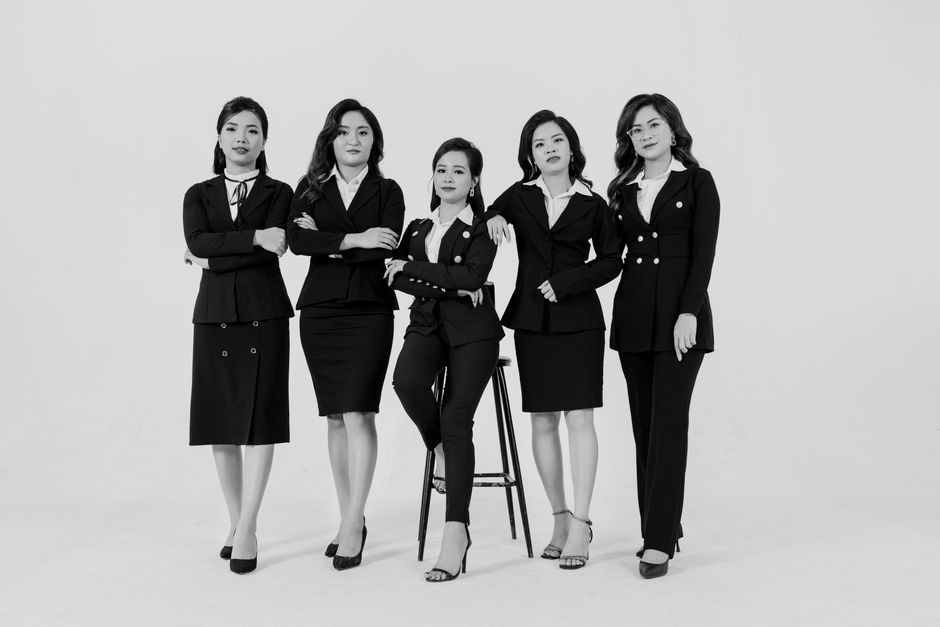
I made these mistakes so you don’t have to.
1. 100% polyester blazers. I bought one from a fast-fashion brand for $79. After 20 minutes in a warm room, the fabric looked shiny and stuck to my arms. On camera, it reflected light like a mirror. Unwearable.
2. Rayon challis blouses. Soft, yes. But rayon wrinkles if you look at it wrong. I sat in a car for 15 minutes and arrived with a lap full of creases. Stick to silk or a cotton-poplin weave.
3. Acrylic knit sweaters. Wore a cream-colored crewneck to a video interview. The static made every hair on my head stand up. The interviewer later told me I looked “frazzled.” I wasn’t — the sweater was.
The fabrics that worked every time: wool-viscose blends, 100% cotton poplin, mulberry silk, and linen-cotton mixes. They breathe, they drape, they don’t wrinkle in a 20-minute car ride.
One more failure: white blouses under a blazer. Every single time, the blazer collar left a shadow on the white fabric. I switched to a blush or champagne shell. Problem gone.
5. The One-Piece Solution — When a Dress Beats a Suit

For my final interview (the one I actually wanted), I wore a dress. No blazer. No separate top. One piece, done.
The dress: MM.LaFleur The Miette Dress ($325). A-line silhouette, three-quarter sleeves, concealed pockets. The fabric is a ponte knit — thick enough to hold shape, stretchy enough to sit in for 45 minutes without wrinkling. I paired it with a thin leather belt to define my waist.
Why this worked: fewer pieces = fewer failure points. No blazer gaping. No shirt untucking. No belt loops misaligned. The interviewer (a woman in her 40s) said, “That dress looks like it was made for you.” It wasn’t — I bought it off the rack. But the structured knit mimicked tailoring.
For video interviews, a midi dress in a solid color (no patterns — they cause moiré on camera) is the single most reliable option. Pair it with a simple necklace or stud earrings. No bracelets — they clink against the desk and the microphone picks it up.
If you buy one piece for interview season, make it a ponte knit midi dress in a dark neutral. It works for in-person, video, lunch interviews, and even the post-interview coffee where they decide if you’re “someone they’d want to work with.”