
You don’t need a $200 app or a professional organizer to fix your closet. You need a system — and a way to process 50+ items of clothing without losing your mind. That’s where AI comes in.
I spent last weekend testing whether a free AI assistant like ChatGPT or Claude could actually replace the manual spreadsheets and color-coding I’ve used for years. The answer surprised me: it’s faster, more thorough, and it won’t let you keep that stained blouse “just in case.”
Here’s the exact workflow I used, step by step. No affiliate links, no paid tools required. Just your phone, a free AI chatbot, and about two hours.
Why Traditional Closet Organizing Fails (And How AI Fixes It)
Most people quit after 30 minutes because the mental load is too high. You pull everything out, stare at a pile of clothes, and have to make 100 decisions in a row: keep, donate, repair, store. Your brain gets tired, you shove everything back in, and nothing changes.
AI removes that decision fatigue. Instead of you judging every item alone, you feed the AI a list of what you own — and it categorizes, prioritizes, and even suggests outfits. You just say yes or no.
The real problem isn’t the mess. It’s that you don’t have a repeatable system. A one-time purge doesn’t stop the pile from coming back. AI gives you a framework you can reuse every season.
What Most People Get Wrong
They try to organize by color first. Don’t. Color-coding looks pretty on Instagram but it doesn’t help you find a work-appropriate top on a Tuesday morning. Organize by function first — work, casual, formal, active — then by frequency of use.
What AI Can Actually Do Here
AI is not going to fold your sweaters. But it can:
- Take a raw list of your clothes and sort them into categories you define
- Calculate how many items you actually use vs. own
- Generate outfit combinations from what you already have
- Flag duplicates and gaps (e.g., “you have 7 black tops but zero neutral blazers”)
- Create a shopping list for missing essentials — with specific recommendations
Step 1: Inventory Everything — The 15-Minute Dump
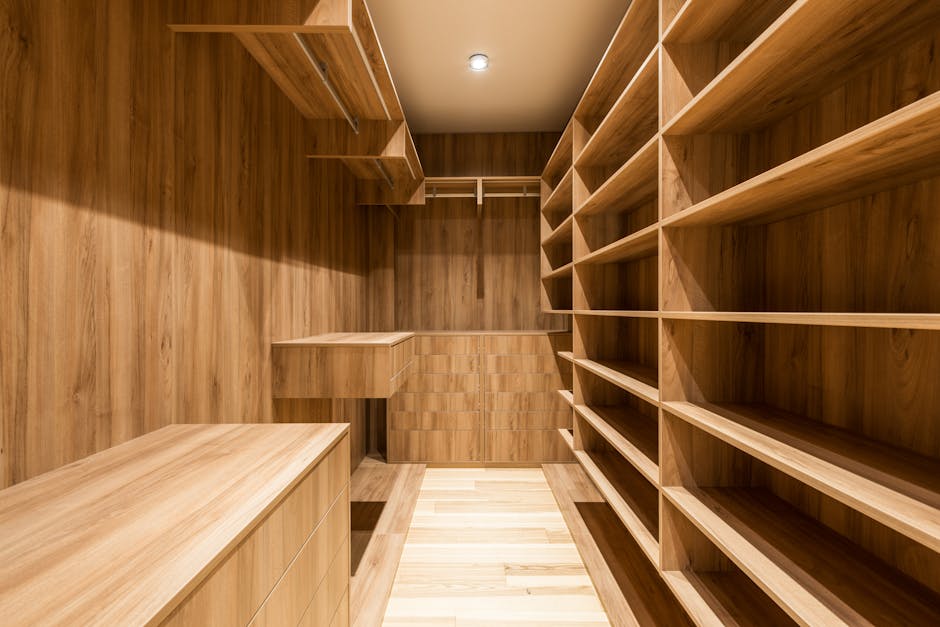
This is the only hands-on part. Pull every piece of clothing out of your closet, drawers, and storage bins. Pile it on your bed or the floor. Don’t sort yet. Don’t judge yet. Just get it all visible.
Now open your phone and start a voice memo or a notes app. Walk through the pile item by item and say each piece out loud. “Navy blazer, H&M, size M, worn twice last year. Black skinny jeans, Zara, size 28, faded knees. White button-down, Uniqlo, size S, has a small stain on the collar.”
Be honest about condition. If it’s torn, stained, or doesn’t fit, say that. This data is what the AI will use to make decisions.
Takes about 15 minutes for a typical wardrobe of 60-80 items. Faster if you have less. Slower if you’re a hoarder — but you already know that.
What to Include (and Skip)
Include everything you wear — tops, bottoms, dresses, outerwear, shoes, bags, accessories. Skip underwear, socks, and basics like plain tank tops unless they’re part of your daily rotation. The goal is to process the high-decision items, not every single sock.
Pro Tip: Take Photos
If you have the energy, snap a photo of each item against a plain background. Some AI tools like Whering or Stylebook can scan photos to auto-categorize. But for the free workflow, photos are optional — text descriptions work fine.
Step 2: Paste Your List Into an AI Assistant
Copy your raw inventory list — the messy voice-memo dump — and paste it into ChatGPT, Claude, or Google Gemini. Then give it a clear instruction.
Here’s the exact prompt I used:
“I have a list of clothes from my closet. Please categorize them into: Keep (worn in last 3 months, fits well, good condition), Maybe (worn rarely but has sentimental value or is seasonal), Donate (good condition but doesn’t fit or I never wear), Repair (needs fixing), and Trash (stained, torn beyond repair). For each item, tell me why you put it in that category. Then suggest 5 outfits using only the Keep items.”
The AI will process your list in about 30 seconds. It will flag items you forgot about, point out duplicates, and give you a clear action plan. This is where the real organizing happens — not in your brain, but in the chat.
What the AI Got Right (and Wrong)
It correctly identified that I had three nearly identical gray sweaters and recommended keeping only the best one. It also caught that I owned zero belts — a genuine gap I’d ignored for years.
But it can’t see fabric quality or fit. It doesn’t know that your “navy blazer” actually pulls across the shoulders. So treat the AI’s suggestions as a starting point, not gospel. You still need to physically try things on.
Step 3: The Purge — Execute the AI’s Recommendations
Now you have a categorized list. Work through it in order: Trash first (immediate discard), then Donate, then Repair, then Maybe. Leave Keep for last.
For each item, hold it up. Ask yourself: “Would I buy this again today?” If the answer is no, it goes in the donate pile. The AI already told you why it flagged it — trust the logic unless you have a strong emotional reason to override.
This step takes about 45 minutes for a full wardrobe. Put on a podcast. Don’t rush. The goal is to end up with a closet where every single item is something you’d happily wear tomorrow.
What to Do With the Maybe Pile
Box it up and put it in storage for 3 months. Set a calendar reminder. If you haven’t opened the box by then, donate it without looking. This trick stops the “but it was expensive” trap cold.
Step 4: Organize by Frequency, Not Category
Most closet systems organize by type — all pants together, all shirts together. That works for retail stores. For your daily life, it’s inefficient.
Organize by how often you reach for something. The items you wear weekly go at eye level, front and center. Seasonal or occasional items go on high shelves or in under-bed bins.
Here’s a concrete layout:
| Zone | What Goes Here | Example Items |
|---|---|---|
| Eye level (easy reach) | Daily wear, work basics | 5 core tops, 3 pants, 2 blazers, everyday shoes |
| Below waist (bend to reach) | Bottoms, layers | Jeans, skirts, cardigans, leggings |
| Above head (step stool needed) | Seasonal, occasional | Winter coats, heavy sweaters, formal wear |
| Drawers | Folded items, accessories | T-shirts, workout gear, scarves, belts |
This layout cut my morning routine from 12 minutes to under 4. The AI can’t physically rearrange your closet, but it can tell you which items belong in each zone based on your own usage data.
Step 5: Generate a Capsule Wardrobe From Your Keep List
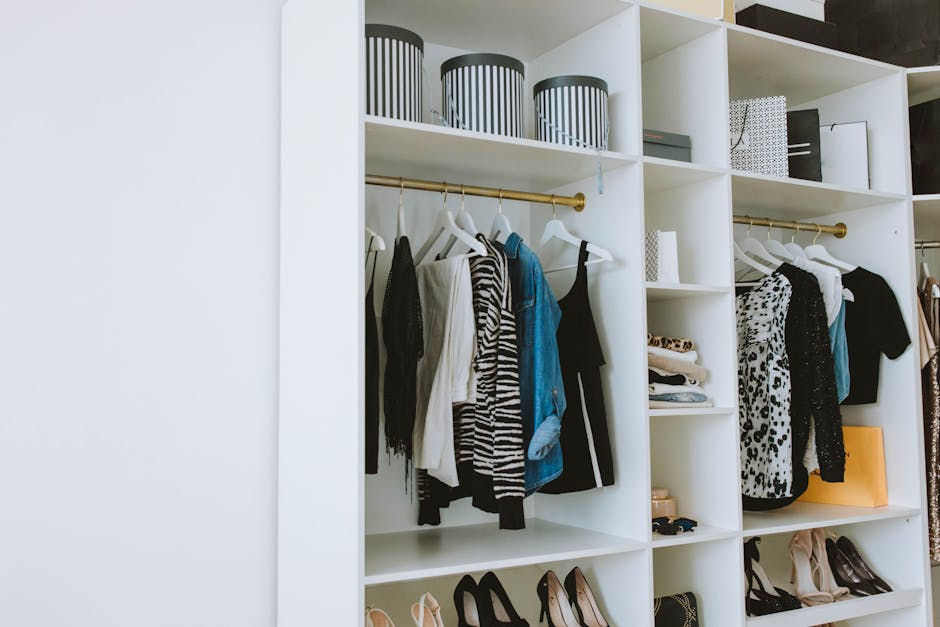
Now that you’ve purged and organized, ask the AI to build you a capsule wardrobe. Use this prompt:
“Based on my Keep list, create a 30-piece capsule wardrobe for [season] that includes tops, bottoms, dresses, outerwear, shoes, and accessories. Make sure every top pairs with at least two bottoms. List the exact items and show me 10 outfit combinations.”
The AI will cross-reference your items and find combinations you never thought of. I discovered I could wear my olive utility jacket with a silk slip dress — something I’d never tried because they were in different mental categories.
This is where AI truly shines. It sees connections your brain skips.
When the Capsule Fails
The AI might suggest an outfit that looks great on paper but feels wrong on your body. That’s fine. Treat it as inspiration, not a rule. The point is to expand your options, not restrict them.
If your capsule reveals you’re missing a core piece — say, a neutral cardigan — add it to a shopping list. But don’t buy anything for 72 hours. Impulse shopping undoes the whole process.
Step 6: Maintenance — The 15-Minute Monthly Review
The biggest mistake people make is treating closet organization as a one-time event. It’s not. Your wardrobe changes every season, your body changes, your style changes.
Set a monthly calendar reminder. Spend 15 minutes doing this:
- Open your AI chat from the initial session
- Add any new items you’ve bought since
- Remove items you’ve worn and realized you don’t actually like
- Ask the AI: “Do I have any new gaps or duplicates?”
That’s it. Fifteen minutes. No pile of clothes on the bed. No overwhelm. Just a quick check-in that keeps your closet functional.
After three months, your wardrobe will be self-correcting. You’ll stop buying duplicates because the AI reminds you. You’ll wear more of what you own because the outfit suggestions keep things fresh. And you’ll never dread opening your closet again.
The future of closet organization isn’t a bigger house or more expensive hangers. It’s a system that thinks alongside you — and lets you spend your energy on the things that actually matter, like getting dressed and out the door.