Start With the Dress Code, Not the Cold
Read the invitation literally
The common mistake is dressing for the temperature before checking the dress code; a freezing evening does not turn a black-tie wedding into a casual party, and a heated ballroom does not make a short sundress a good choice. Start with the words on the invitation, then choose a fabric, hemline, and level of shine that match the event, because the right winter outfit should look deliberate indoors and still protect you outside.
Use the venue as your second filter
A city hotel, historic church, heated tent, and snowy mountain lodge each call for a different balance of polish and coverage, so check the ceremony location, reception space, travel distance, and time spent outdoors before buying anything. For a formal hotel wedding, a full-length coat over a velvet or satin dress gives the strongest result; for a barn or outdoor reception, a midi hem, closed-toe shoe, opaque tights, and a warm wrap will keep the outfit practical without making it look like everyday office clothing.
Make one decision before shopping
Your clearest first choice should be the outfit shape: a floor-length dress for black tie, a polished midi for cocktail attire, or a tailored suit for guests who prefer trousers. Once that shape is fixed, every other decision becomes easier, from coat length to shoe height, and you avoid the usual mistake of buying a beautiful piece that cannot handle the ceremony, weather, or dress code.
Build Warmth From the Skin Outward

Choose fabrics that hold heat
Winter wedding dressing works best when warmth comes from several thin layers instead of one bulky sweater. Merino wool, silk, velvet, brushed crepe, wool suiting, and cashmere trap heat while keeping a smooth line under a dress or jacket. Velvet gives a winter outfit visual depth, but it can feel heavy in a crowded room, so use it for one major piece rather than combining a velvet dress with a velvet jacket and heavy satin accessories. Silk works well under tailoring because it feels warm against the skin and slides under sleeves without bunching.
Use the right underlayer
A thin base layer can make a sleeveless dress workable in cold weather, but the wrong one will show at the neckline or create ridges beneath fitted fabric. Pick a low-profile camisole, a seamless long-sleeve top, or a smoothing bodysuit in a shade close to your skin tone. Opaque tights provide more useful warmth than sheer hosiery, especially at 60 to 100 denier. Test the complete outfit at home for ten minutes while sitting, walking, and lifting your arms; wedding clothes fail quickly when a shoulder strap slips or a waistband rolls after dinner.
Layer for two temperatures
Plan for the coldest transition, not the warmest room. A removable layer should cover your shoulders and upper back, while your dress or suit remains comfortable after you take it off. A wool coat works better than a fashion cape for a long walk from a car, but a cashmere wrap looks more elegant during dinner. Avoid thick thermal leggings under a narrow dress unless the skirt has enough ease to hide them. For most guests, the winning formula is one warm base layer, one refined main garment, and one removable outer layer.
Match the Outfit to the Wedding Dress Code
The dress code should decide the outfit’s finish, length, and accessories. This quick chart gives a firm starting point for the most common winter wedding invitations.
| Dress code | Best outfit formula | Outer layer | Shoe choice | Avoid |
|---|---|---|---|---|
| Black tie | Floor-length gown or sleek evening jumpsuit | Long wool coat or satin-lined wrap | Closed-toe heel | Day bags, casual knits, ankle boots |
| Formal | Full-length or refined midi dress | Structured coat in black, navy, camel, or burgundy | Pointed pump or dressy slingback | Thin summer florals and denim |
| Cocktail | Velvet midi, satin dress, or tailored suit | Cropped coat or polished wrap | Dress pump or embellished flat | Very short hemlines and large daytime totes |
| Festive | Jewel-tone dress with one metallic detail | Faux-fur-trimmed coat or rich wool layer | Block heel or elegant boot | Head-to-toe novelty sparkle |
Pick the strongest color family
For winter, deep emerald, burgundy, navy, plum, chocolate, and black photograph better than pale beige under evening lighting. Metallic shoes or earrings can lift a dark outfit, but keep the shine focused in one place. The clear winner for a formal guest who wants one versatile dress is a jewel-tone midi with a clean neckline and enough room for opaque tights.
Keep accessories proportional
A small structured bag, simple earrings, and one polished hair detail usually look more expensive than several competing accents. Match the formality of the accessories to the invitation, not to the weather. A beaded clutch suits black tie; a leather shoulder bag belongs at a relaxed daytime celebration.
Layer Without Losing Your Shape
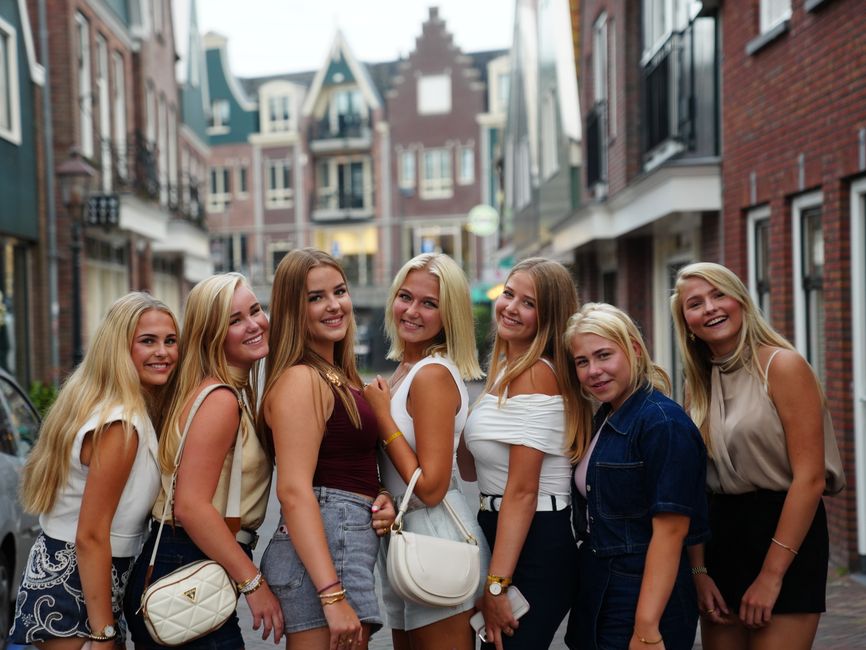
My strongest styling rule is simple: add warmth vertically, not horizontally. Long lines, close-fitting base layers, and a coat that ends near the dress hem preserve the outfit’s shape. Start with these steps:
- Choose the main garment first and check that you can sit comfortably for at least thirty minutes.
- Add opaque tights or a thin base layer before choosing shoes, since extra coverage changes the visual balance of the outfit.
- Select a coat with enough room at the shoulders for the dress or jacket underneath, but avoid oversized sleeves that swallow your hands.
- Keep the waist visible with a wrap tie, fitted blazer, belt, or a dress with a shaped seam.
- Use one warm accessory near the face, such as a wool scarf, cashmere wrap, or velvet headband, instead of piling on bulky layers.
Good pieces to borrow from real wardrobes
The Reformation Frankie Silk Dress, often listed near $278, gives a fluid 100% silk option for a heated indoor reception, but it needs a substantial coat outside. The Boden Velvet Wrap Midi Dress, usually around $220, is the better choice for guests who want warmth, a defined waist, and forgiving movement after a large meal. The velvet wins for a cold-weather ceremony because its dense pile feels richer and more seasonal than thin satin.
Choose shoes before the final hem
The Sam Edelman Hazel Pump, around $150 with a 3.75-inch heel, creates a formal line but demands a short outdoor walk and confident balance. If you expect icy sidewalks, choose a lower block heel or elegant ankle boot and let the hem sit just above the shoe. A dramatic heel is not worth ruined fabric, wet feet, or a painful reception.
Winter Wedding Outfit Questions, Answered
Can you wear a black dress to a winter wedding?
Yes. Black works especially well for evening formalwear, and winter gives it a natural setting. Break up the dark color with texture rather than a loud print: velvet, satin, lace, crystal earrings, or a burgundy lip can add depth. Avoid a black dress that looks like an office sheath unless the fabric, jewelry, and shoes clearly raise the level. For a daytime ceremony, navy, forest green, plum, or chocolate may feel warmer and less severe.
What should you wear over a sleeveless dress?
Choose a layer that looks intentional with the neckline. A cropped jacket works with a fitted midi, while a long wool coat suits a floor-length dress. A cashmere wrap also works when the venue is heated and you need coverage for the ceremony. The Quince Mongolian Cashmere Wrap, commonly priced at $119 and measuring about 28 by 78 inches, gives enough width to cover both shoulders without the bulk of a cardigan. Skip a casual puffer unless the event takes place outdoors from start to finish.
Are boots acceptable at a winter wedding?
Yes, but the boot must match the dress code. A slim leather ankle boot with a covered heel can work with a cocktail midi, while a tall polished boot pairs well with a longer dress at a less formal venue. Snow boots, chunky lug soles, and visibly wet footwear belong at the coat check. Pack a second pair if you must travel through snow, then change before entering the ceremony.
The Clearest Outfit Choices for Each Guest

For black tie, choose a floor-length jewel-tone dress, a long wool coat, and a small evening bag. This combination handles the ceremony, photographs, and formal reception without relying on fragile summer pieces. For cocktail attire, the best answer is a velvet midi with opaque tights and a block heel; it looks festive, keeps its shape, and gives you enough coverage for a cold walk between venues.
Best choice for a dress wearer
The Boden Velvet Wrap Midi Dress is the most useful all-round pick from the examples above because the wrap waist adjusts after dinner, the midi length works with tights, and the velvet texture fits a winter setting. Add simple gold earrings, a compact clutch, and a coat that reaches the knee or lower. If the wedding is black tie, move up to a full-length satin or crepe dress instead of trying to make a cocktail hem look more formal with extra jewelry.
Best choice for a trouser wearer
A deep navy or black tailored suit with a silk camisole gives a clean alternative to a dress. Keep the jacket fitted through the shoulder, choose full-length trousers that nearly touch the shoe, and add one strong detail such as pointed pumps or a crystal earring. The SPANX Suit Your Fancy Plunge Low-Back Mid-Thigh Bodysuit, listed around $148, can create a smooth base beneath a low-cut suit jacket, but skip it if the neckline feels too revealing for the family or religious setting.
Finish with a coat that can close fully. The most polished winter wedding outfit is the one that still looks composed in the parking lot, not only under ballroom lights.