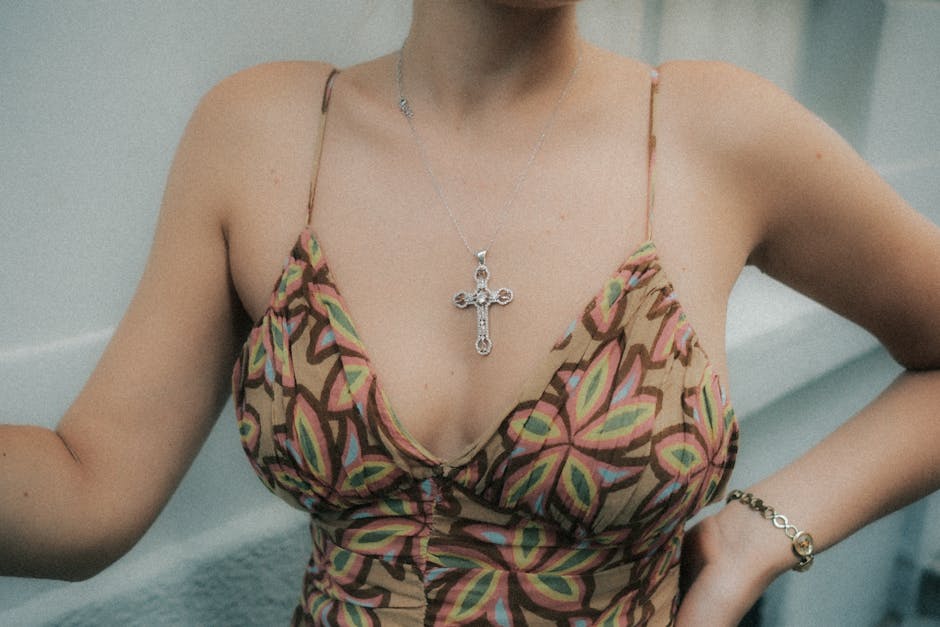
The dress looked perfect in the app photo. Tiered linen skirt, delicate embroidery along the neckline, a warm cream that photographed like something out of a Greek island vacation. It arrived three days later in a plastic mailer and the proportions were completely off — waist hitting too high, hem dragging on the floor, the embroidery reduced to two inches of stitching you’d never notice unless someone stood six inches from your chest.
That gap between Zara’s boho aesthetic and what actually lands at your door is exactly what this article closes. No affiliate links, no brand cheerleading. Just a clear breakdown of what works, what doesn’t, and how to shop this category without wasting money.
What “Boho Chic” Actually Means — And Why Zara Gets It Half Right
Boho chic is a specific aesthetic, not a general vibe. It draws from 1960s and 70s counterculture fashion, Moroccan and Indian textile traditions, and festival dressing — then softens all of it for everyday life. The result: flowing silhouettes, handcraft details, natural fabrics, and layering-friendly shapes that move with the body rather than holding a fixed form.
Zara’s version of this tends to lean hard on the visual cues without always delivering the underlying substance. A dress can have a tiered skirt and still be made entirely from polyester charmeuse that clings and pills after four washes. Another can use a cotton-linen blend with zero interesting detail and read as “plain” rather than “effortless.” The aesthetic code is applied; the quality is inconsistent.
Here’s what separates genuine boho chic from filler at Zara:
Fabric is the first filter
Real boho dressing relies on natural or semi-natural fabric that moves and breathes: linen, cotton, viscose (technically synthetic, but derived from wood pulp and drapes similarly to silk), and occasionally silk. When Zara labels something as 100% polyester, it can still look boho in the photo — the texture betrays it in person. Look for Zara’s linen-blend or 100% cotton options, which appear most reliably in their spring and transitional collections. The ZARA Linen Blend Flowy Dress in earth tones (typically $49.99–$59.99) is one of the brand’s strongest genuine-fabric offerings in this category. It wrinkles aggressively, but it drapes correctly and breathes.
Silhouette markers that actually matter
Smocked bodices. Tiered skirts. Peasant sleeves. These are structural features that signal boho without requiring heavy decoration. A dress with all three reads as intentional regardless of price point. The problem is when Zara puts a tiered skirt on a polyester base with no other detail — it just looks like a beach coverup that got ambitious. The smocked bodice is actually the single most useful feature to look for: it adjusts naturally across a half-size range, photographs well, and is harder to fake cheaply than printed embroidery.
Embroidery versus printed pattern — know the difference
This is where Zara shortcuts the most aggressively. Printed floral patterns are not embroidery. At a distance in an app photo they can look nearly identical, but printed patterns flatten completely in person while actual embroidery has texture, depth, and a slightly raised surface you can feel. Zara does produce genuinely embroidered pieces — typically in the $69.99–$89.99 price range — but they mix these into collections alongside printed options at $29.99 that use the same visual language. Read the product composition description carefully before ordering. If it says “embroidery” in the dress name but lists 100% polyester as the material, you’re looking at a printed design.
The Five Zara Boho Dress Archetypes Worth Knowing
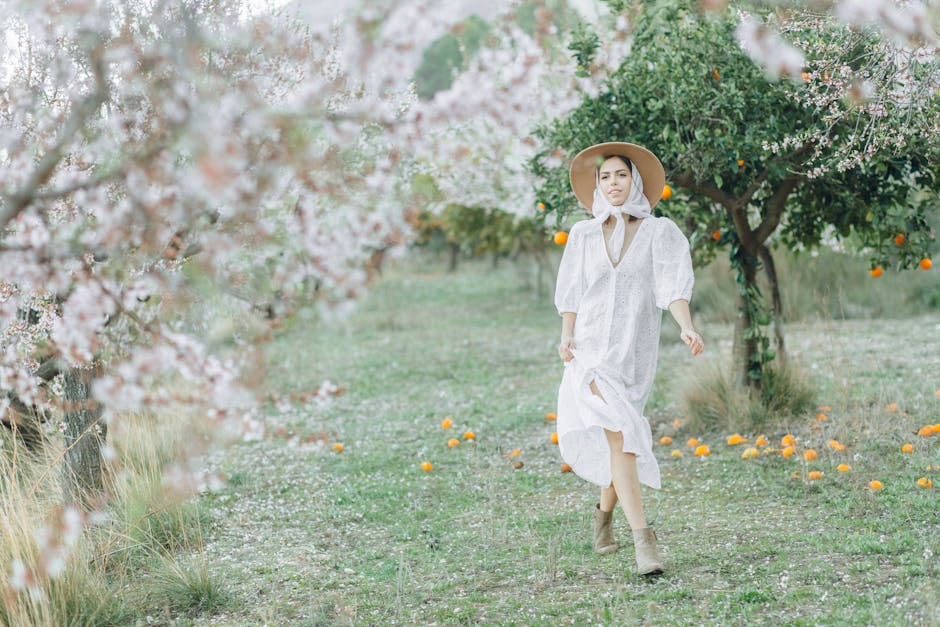
Zara rotates seasonal collections constantly, but certain dress shapes recur year after year because they consistently sell. Understanding the archetypes helps you shop smarter regardless of which exact items are live at any moment. These aren’t one-off pieces — they’re the recurring frameworks Zara returns to every season with minor variations in print and color.
| Style | Best Feature | Common Flaw | Typical Price Range | Verdict |
|---|---|---|---|---|
| Smocked Midi Dress | Adjusts naturally to multiple sizes | Skirt length often too long for petites under 5’4″ | $39.99–$59.99 | Buy in cotton; skip in polyester |
| Tiered Maxi Dress | Maximum visual impact, easy to style | Fabric quality drops sharply under $50 | $45.99–$79.99 | Strong buy above $60 price point |
| Linen Wrap Dress | Versatile across multiple seasons and occasions | Severe wrinkling without lining | $49.99–$69.99 | Buy if you can accept ironing every wear |
| Embroidered Mini Dress | True artisan-look detail at accessible prices | Mini length limits how far you can style it | $59.99–$89.99 | Best option for boho authenticity; prioritize this one |
| Printed Peasant Dress | Affordable entry point into the aesthetic | Prints fade quickly, fabric pills within a season | $29.99–$45.99 | Pass unless you only need one summer of wear |
The Tiered Maxi Dress is consistently Zara’s strongest boho offering when priced above $60. Below that threshold, the brand tends to cut costs on fabric weight and finishing in ways that become obvious after two wears. The embroidered mini is the sleeper pick — Zara’s embroidered pieces at the higher price point are genuinely well-made relative to what competitors charge for similar work.
Zara’s Boho Sizing Is Inconsistent and the Pattern Is Predictable
Smocked styles run looser than their labeled size — sometimes by a full size. Go down one size on anything with a smocked or elasticated bodice. Structured wrap styles run tight in the chest even when the waist measurement fits; if you carry width across the shoulders or bust, size up on wraps. Tiered maxi dresses cut for Zara’s standard 5’6″–5’8″ frame will hit the floor on anyone under 5’4″ — plan to hem or buy specifically from their Petite edits when available.
Styling a Zara Boho Dress Past the Obvious Beach Look
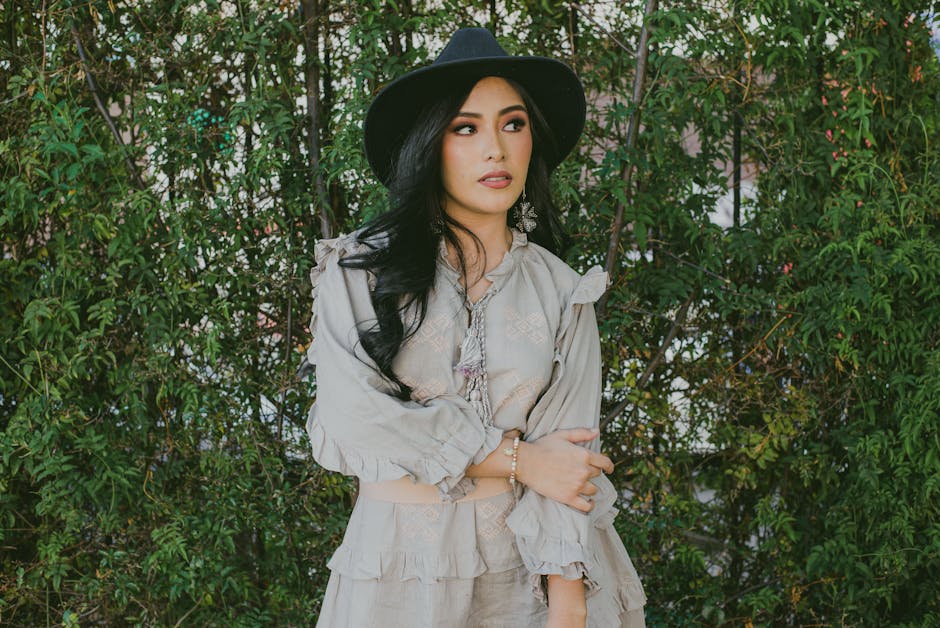
The most common mistake: pairing a boho maxi with flat sandals and nothing else, then wondering why it looks underdeveloped. Sandals and boho dresses work, but the combination defaults to “beach resort” without any additional thought. These dresses have much more range than that first instinct suggests.
Layer over basics to shift the register
A white fitted t-shirt under a Zara tiered midi changes the entire read of the outfit — it moves from beach-adjacent to urban-casual almost instantly. Add white sneakers (Veja V-10 at around $160 or New Balance 550 at $110 both pair cleanly) and the look becomes intentional without reading costumey. This layering works best with darker dress colors: terracotta, rust, deep olive, and cinnamon all sit cleanly over a white base. Cream-on-cream reads muddy. Blush-on-white goes pink in a way that loses the boho tone.
Add structure with outerwear
An oversized linen blazer over a Zara boho maxi bridges casual and smart casual in a way almost nothing else does cleanly. Keep the blazer loose — a fitted blazer clashes with the flowing silhouette and creates visual tension that doesn’t resolve. Zara’s own linen blazers in natural or warm beige (around $79.99) are sized and colored to coordinate with their boho dress line deliberately. That’s not an accident — the brand’s styling team structures these as capsule pairings.
The boot combination that works and the one that doesn’t
Ankle boots with a midi-length boho dress is not a new idea, but execution matters. The boot needs a low to mid heel — Chelsea boots or a short Western boot — and the dress hem needs to land at or just below the top shaft of the boot. If there’s bare leg showing between the boot top and hem, the proportion breaks. Western-style boots like the Sam Edelman Penny ($120) or Steve Madden Negotiator ($110) complement embroidered and embellished boho styles particularly well because the tooled leather detailing rhymes with the dress’s craft aesthetic. Combat boots undercut it.
Moving the same dress to evening
Three changes only: swap sandals for heeled mules, add a thin leather or woven belt at the natural waist to define the silhouette, and choose one piece of statement gold jewelry — a chunky layered necklace or large hoop earrings, not both. A Zara embroidered maxi can move from a daytime garden event to a casual dinner reservation with exactly those three swaps and nothing additional.
Four Situations Where Zara’s Boho Dress Is the Wrong Call
This category has real gaps, and ignoring them leads to returns and frustration.
- You’re under 5’3″. Zara’s maxi dresses are cut for a 5’6″–5’8″ frame as a baseline. Petite shoppers hit hemming problems on nearly every floor-length style. Free People’s Intimately Washed Maxi Dress ($128) and their dedicated FP One Petite line offer size-specific cuts Zara doesn’t provide in this aesthetic category.
- You need the dress for a formal occasion. Zara’s boho pieces cap out at garden party or casual outdoor wedding guest. Even the most embellished style in their range is not formal event dressing. The silhouette and fabric weight don’t translate to that context.
- You want it to last more than two seasons. Zara’s mid-range price points reflect mid-range durability. For a boho dress that survives multiple years of regular wear, Anthropologie’s Maeve Ruffle Tiered Midi Dress ($148) uses a heavier fabric weight and better seam finishing that holds significantly longer. The price gap is real but so is the lifespan difference.
- You’re shopping size 14 or above. Zara’s extended sizing in the boho category is limited and inconsistently available. H&M’s equivalent styles run up to a size 20 in similar price territory with a far more reliable size range for this aesthetic.
Zara vs. Free People vs. H&M: Where Each Brand Actually Wins
These three brands control different corners of the accessible boho dress market. The honest breakdown:
Zara wins on trend speed and detail variety. New boho styles appear weekly during spring and summer. The risk is quality inconsistency — two Zara boho dresses bought in the same week can perform completely differently. One holds up for two years; the other starts pilling after three washes. Price range: $29.99–$89.99.
Free People charges more ($78–$200 for dresses) but delivers better fabric consistency and fit reliability. Their Stevie Maxi Dress ($128) has been a strong seller for multiple years running because the construction genuinely holds. The aesthetic skews California festival more than European boho — a real difference in tone if the editorial quality of the styling matters to you.
H&M is the closest Zara alternative on price. Boho-inspired styles run $19.99–$49.99 and fabric quality is roughly comparable at equivalent price points. H&M’s size range is broader — a meaningful advantage for shoppers outside standard sizing. The styling tends to be slightly less editorial than Zara, which matters if the “chic” half of boho chic is the part you’re after.
For most situations: use Zara for trend-forward pieces you’ll wear one to two seasons aggressively, Free People if you want durability and consistent fit, H&M when budget or size range is the binding constraint.
How to Actually Find Zara’s Best Boho Dresses Right Now
Zara’s search is poorly optimized for this. Searching “boho” returns zero results — the brand doesn’t use that label internally. Here’s what actually surfaces the right inventory:
- Search “flowy dress” or “midi dress” in Zara’s women’s section. These two searches pull most of the boho-adjacent styles that a keyword like “bohemian” would miss entirely.
- Filter by fabric composition and check for linen or cotton options. This one step removes most of the polyester filler from the results immediately.
- Sort by “New In” rather than “Best Sellers.” Zara’s most interesting boho pieces sell out within the first ten days of a collection drop. Best Sellers surfaces what’s left, not what was best.
- Check the TRF (Trafaluc) subcollection specifically. Zara’s youth line carries more experimental boho designs — more embroidery, more unusual prints — that don’t always appear in the main women’s section search.
- Use the Zara app’s AR preview feature before buying. Static product photos hide how a fabric actually moves. The AR view isn’t perfect but gives a far better read on silhouette and drape than flat shots on a model standing still.
One practical note: Zara restocks quietly and frequently. If a specific dress sold out, check back within seven to ten days. Partial restocks happen without any back-in-stock notification. Checking manually is the only way to catch them.
The boho dress category at Zara has been trending toward better natural fabrics and more structural detail over the past two seasons — the brand has clearly noticed that shoppers at the $60-plus price point expect more than a polyester tier. That trajectory is worth watching. The ceiling for what Zara can deliver in this aesthetic at accessible prices is still rising.