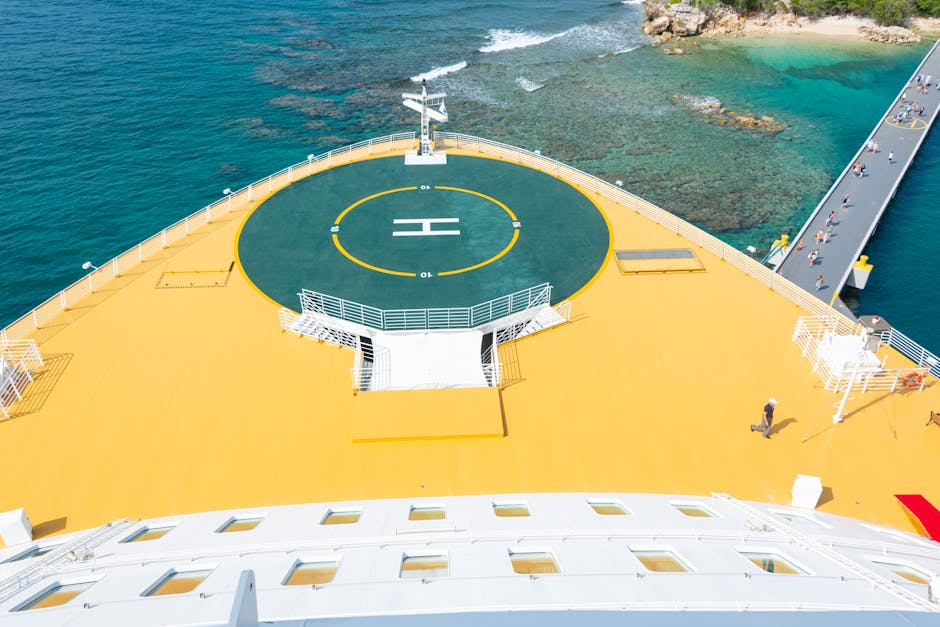
Picture this: you board a 7-night Caribbean sailing out of Miami after flying from Ottawa in February. Your suitcase is stacked with pieces that looked right on Pinterest — four blazers, a beaded clutch, a silk blouse that needs dry cleaning. Three days in, you are sweating through your only sundress at 11 a.m. in Nassau while your formal wear sits untouched. This is not a rare story. It is the default cruise packing experience for Canadian women sailing for the first time. Here is how to avoid it.
What Cruise Dress Codes Actually Mean
Cruise lines love vague terminology. Decoding it before you pack saves you from bringing the wrong wardrobe entirely.
What does smart casual require at dinner?
Smart casual is the code for most main dining rooms on most nights. It rules out a t-shirt and shorts — those get redirected at the door. But it also rules out needing a cocktail dress or a structured blazer. A clean wrap dress, tailored trousers with a polished blouse, or a sleek linen-blend set all qualify. Knee-length or below is the safe zone. Think Saturday dinner at a nice restaurant back home, not your cousin’s wedding.
How many formal nights will there be on a 7-night sailing?
Typically 1 to 2. Royal Caribbean calls them Evening Chic — the standard is a cocktail dress or jumpsuit, not a floor-length gown. Carnival has Elegant Nights that have softened considerably since 2026. Norwegian Cruise Line eliminated formal nights altogether on most ships. Unless you are sailing Cunard or a luxury line like Seabourn, a single well-chosen cocktail dress or polished jumpsuit handles every formal requirement of a week-long mainstream cruise.
What happens if you are underdressed?
In the main dining room, staff may redirect you — politely. Specialty restaurants enforce standards more firmly. Everywhere else — pool deck, buffet, entertainment spaces — the only person judging your outfit is you. Relax accordingly.
Your Destination Changes the Entire Packing Strategy
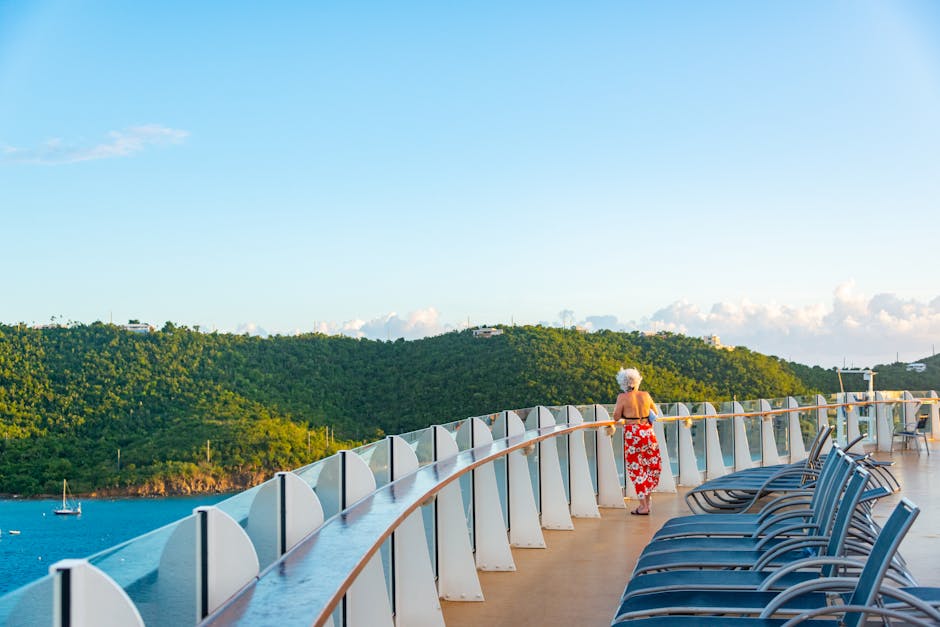
This is the section most packing guides skip entirely. The dress code conversation only matters for evenings. The other 16 hours of each day depend on where you are sailing.
Caribbean and Bahamas (the most common Canadian cruise route, November to April)
Daytime temperatures run 26°C to 32°C with high humidity. You will perspire on deck, in port markets, on snorkeling excursions. Cotton holds moisture and sticks — it feels fine in Canadian humidity but suffocates in Barbados. The fabrics that genuinely perform here are viscose blends and lightweight polyester-linen mixes. They breathe, release moisture, and drape without clinging. Pack mostly sundresses, shorts, and breathable cover-ups for 80% of the trip. The other 20% covers evening outfits and a single light layer for the ship’s aggressive air conditioning.
One thing Canadians consistently underestimate: evenings on the ship deck drop to 22°C or lower when the vessel is moving at cruising speed. A thin cardigan or denim jacket is not optional comfort — it is the item you reach for every single night without fail.
Alaska cruises (May to September)
A completely different category of packing. Ketchikan averages 13°C in July. Glacier Bay National Park is actively cold and wet. Rain is constant across most of the Inside Passage. Your Alaska cruise wardrobe is a layering system: moisture-wicking base layers, a fleece mid-layer, a packable waterproof shell, and zip-off hiking-style pants. Sundresses stay home. Strappy sandals stay home. The formal dinner nights still happen — bring one nice dress — but the rest of the day operates like a coastal hiking trip, not a resort holiday.
Mediterranean cruises (May to October)
More variation than the Caribbean. Barcelona in July sits at 35°C. Dubrovnik in September cools to 24°C by evening. European port towns near churches and religious sites require covered shoulders and knees — a lightweight scarf packed in your bag solves this without adding a separate outfit. The Mediterranean rewards a slightly more polished daytime wardrobe than the Caribbean: a linen midi skirt, a structured flat sandal, a wrap dress that photographs well against stone architecture. Still pack light layers; Greek island evenings turn cool fast.
A 7-Night Cruise Packing Breakdown by Category
The numbers that work for a Caribbean or Mediterranean sailing:
| Item Category | How Many | Key Notes |
|---|---|---|
| Casual sundresses or day dresses | 3–4 | Wear each 1–2 times; doubles for evening with different shoes |
| Swimsuits | 2–3 | Minimum 2; ocean suits need longer drying time than pool suits |
| Cover-ups | 2 | One casual sarong, one elevated caftan or linen shirt for poolside lunch |
| Shorts or casual bottoms | 2–3 | Port excursions, sea day mornings, buffet breakfasts |
| Evening outfit (smart casual or formal) | 1–2 | One versatile dress handles 2 formal nights when you swap accessories |
| Light cardigan or denim jacket | 1 | Ship air conditioning in dining rooms and show lounges is relentless |
| Comfortable closed-toe walking shoes | 1 pair | Ports have uneven cobblestones and wet docks — not sandal territory |
| Casual sandals | 1 pair | Pool deck and beach only |
| Evening shoes | 1 pair | Block heel or wedge — ships move; stilettos are genuinely dangerous underway |
| Active or workout wear | 1–2 sets | Only if you actually use the gym or take fitness classes on board |
The number women consistently over-pack: formal outfits. The number they under-pack: swimsuits and day shorts. Flip that ratio and you will not be shopping at port gift shops by Wednesday.
Fabrics That Work at Sea and Three That Don’t
Fabric is the fastest lever for making a cruise wardrobe functional. Here is the short version:
- Viscose or rayon blends — Drapes beautifully, breathes in humidity, wrinkle-recovers once worn. The correct choice for Caribbean sundresses and warm-climate evening pieces.
- Ponte knit — Structured without ironing, holds shape across a full evening. Warmer than it looks, so not ideal for extreme heat, but excellent for dinner in cooler ship interiors.
- Linen-viscose blends (55/45 or 60/40) — Pure linen wrinkles in 20 minutes and never fully recovers. A linen-viscose blend drapes without the constant crumpling. Better than either fabric alone for travel.
- Technical stretch fabrics (nylon, polyester-spandex) — Fast-drying performance fabrics are underrated for cruise travel. They dry in under 2 hours, pack completely flat, and move with you on an active excursion day without looking athletic at lunch.
- Jersey knit — The most reliable fabric for any travel capsule. A jersey wrap dress or midi skirt emerges from a suitcase wrinkle-free and works for daytime or dinner depending on footwear.
Avoid 100% linen (wrinkles constantly), 100% cotton in tropical humidity (traps sweat against the skin), and silk (dry-clean only, does not survive a sweaty port excursion).
Three Packing Mistakes That Send Women to the Ship Boutique
These are the specific errors that result in buying an overpriced sundress at the onboard shop — where a basic dress costs $90 USD.
Four formal outfits for a 7-night sailing
The most common Canadian first-timer mistake. The dining room photos on the cruise line website look glamorous. People pack accordingly. Then they wear their one reliable sundress on daily rotation because formal clothes have no place during the 85% of waking hours that are not formal dinner. Pack a 3-to-1 ratio: three casual daywear pieces for every one formal piece. One strong evening dress with two sets of accessories handles every formal night on a mainstream cruise line.
Booking an Alaska cruise and packing for the Caribbean
Sandals and sundresses on a 7-night Inside Passage sailing is not a minor oversight — it is a genuine problem. Glacier Bay in July runs 8°C with wind chill. Most port excursions involve rain, uneven terrain, and cold dock surfaces. Alaska demands a waterproof shell, closed-toe shoes, and real layering. You still need one dinner dress for formal nights. That is the complete allocation for resort-style clothing.
Forgetting that ships are aggressively air conditioned below deck
Caribbean ships keep interior spaces at 19°C or colder while it is 30°C outside. Main dining rooms, show lounges, and casino floors are all deeply chilled. Pack one wrap or light jacket for on-ship use. Without it, you will be uncomfortable through every evening activity regardless of how well the rest of your wardrobe performs.
Where Canadian Women Are Shopping for Cruise Wear Right Now
Canadian retail has improved significantly for travel-functional clothing. You no longer need to order from US sites and absorb customs fees to find cruise-appropriate pieces.
Aritzia is the strongest option for elevated, travel-functional pieces. The Wilfred Ease Pant (~$148 CAD) is wrinkle-resistant, polished enough for smart casual dining, and genuinely comfortable for port walking. The Sunday Best line carries multiple midi and wrap dresses in viscose blends that handle Caribbean heat and dinner dress codes without issue. Sizing runs XS through XXL on most styles, and the fabrication holds up across repeated wearing and hand-washing.
Dynamite fills the mid-market gap well. Wrap dresses and midi styles in the $50–$80 CAD range pack flat, come in warm-weather prints suited for cruise destinations, and perform better than their price suggests. Available at every major Canadian mall and shipping nationally with no customs complications.
Simons — particularly strong for linen-blend sets and elevated summer dresses — ships nationally and carries house-brand pieces in the $40–$90 CAD range that compete with brands at twice the price. Their seasonal resort and cruise edits are worth filtering by when the collections drop in January and February, right when Canadians are booking February and March sailings.
For swimwear specifically, La Vie en Rose offers Canadian sizing, physical stores in every major city for actual fit testing before you sail, and solid construction at $45–$90 CAD per suit. Construction quality is meaningfully better than H&M swimwear at a comparable price, and returns are straightforward if sizing is off.
For Alaska sailings or any cruise with active port days, Lululemon is the right call. The Align Tank ($68 CAD), Swift Speed High-Rise Short ($74 CAD), and Define Jacket ($178 CAD) cover base layer, excursion wear, and a midlayer polished enough for casual dining. The Define Jacket reads as outerwear rather than gym clothing — it holds its own at the lunch table without looking out of place.
Swimwear and Eveningwear: Pack More of One, Far Less of the Other
Two swimsuits is the floor, not the target. One dries while you wear the other. Three suits is the right number for anyone doing beach excursions — ocean salt water extends drying time significantly compared to pool use. Bring a third and never think about it again.
For eveningwear: one dress solves two formal nights when you change accessories. A black or navy ponte midi or crepe dress, block-heeled sandals, a statement necklace for formal night and simple studs for smart casual — that is the complete evening system. You do not need an evening capsule. You need one reliable piece executed correctly.
The specific Canadian pick that travels well and performs at dinner: the Aritzia Sunday Best Alana Dress in black (~$138 CAD). It drapes in humidity without clinging, photographs cleanly, and reads polished without requiring shapewear or impractical shoes. Pair it with block-heeled sandals from Aldo or Steve Madden Canada and it handles every dress code on mainstream cruise lines short of a Cunard black-tie gala.
That woman who boarded in February with four blazers and the wrong dresses? She bought a $38 sundress at the port market in Cozumel and wore it for three days straight. Pack smarter and spend that money on an actual excursion instead.