Rome logs tourists an average of 15,000 steps per day. Florence runs even higher. Nearly every step hits uneven cobblestone, worn marble, or cracked paving stone that tilts slightly underfoot. The sandal that worked fine at your local market will fail you here — usually by day two.
Why Italian Streets Will Wreck the Wrong Sandal
Rome’s sampietrini — the small, rounded basalt stones covering most of the historic center — were designed for cart wheels, not modern footwear. Each stone sits at a slight angle, and the gaps between them are wide enough to catch a thin heel but not wide enough to see clearly. Walking on them in a flat sandal is a sustained test of your foot’s small stabilizing muscles, and most feet fail that test by afternoon.
Three things make Italy specifically harder on footwear than most destinations:
- Surface irregularity: Each cobblestone creates a micro-tilt your foot has to absorb. Do this 10,000 times in four hours in a sandal with zero arch support and the cumulative effect becomes a genuine problem — not dramatic, just relentless.
- Daily distance: A typical sightseeing day in Rome, Florence, or Venice covers 8 to 12 miles. Most people underestimate this by a factor of three before they arrive.
- Heat and swelling: Italian summer temperatures regularly hit 33–36°C. Feet swell in heat — up to a full size by mid-afternoon. A sandal that fits correctly at 9 AM can pinch badly by 1 PM in direct sun on a Roman piazza.
The sandal that survives this environment has three structural characteristics. First: a contoured footbed — either molded cork, dense EVA, or a biomechanical insert — that keeps your arch from collapsing under repetitive impact. Second: a midsole with at least 15mm of cushioning that doesn’t bottom out over a full day. Third: a multi-point strap system that locks the heel and midfoot rather than relying on toe grip alone.
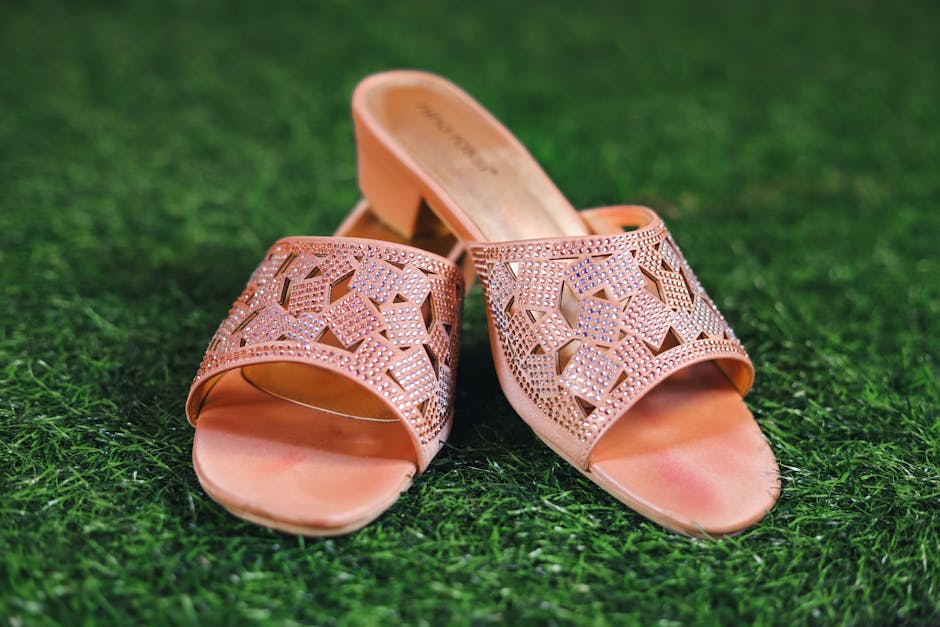
Flat fashion sandals fail all three. They look correct in shop windows and on social media. They produce blisters and arch pain within a day on cobblestones. The Italian sandal market near major tourist sites is full of them — priced €25–50, sold to people who regret the purchase by the time they reach the next piazza.
One practical note before anything else: break your sandals in before the flight. New leather straps need 20–30 hours of wear to soften and conform to your foot shape. Arriving in Venice and pulling fresh sandals from a suitcase is how people end up paying €80 for ugly sneakers from a pharmacy on day three.
Sandals That Actually Hold Up Across an Italian Trip
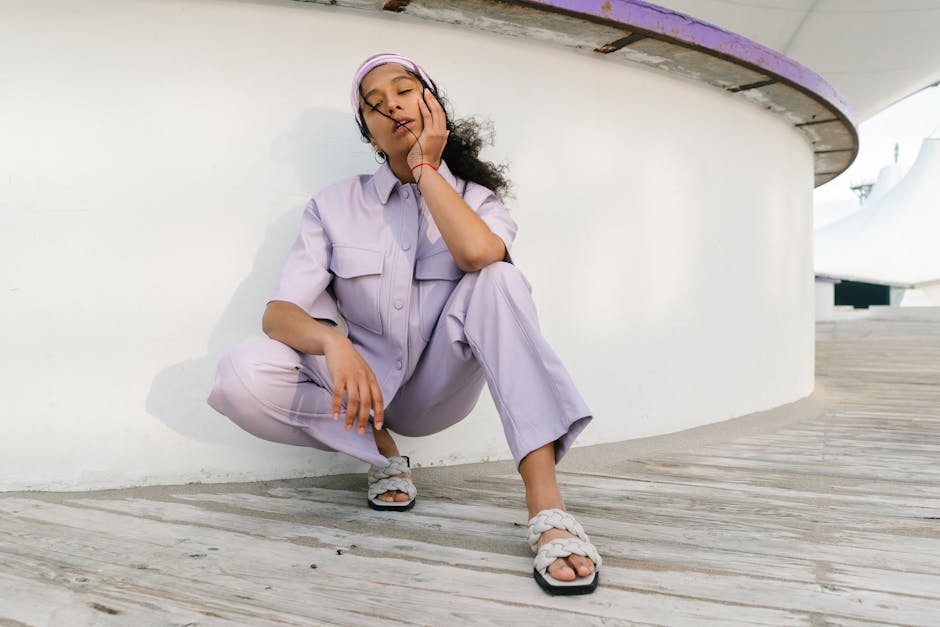
These are all available before travel, well-documented for fit and durability, and genuinely tested for long walking days. Prices are approximate US retail for 2026.
| Sandal | Price | Best Use | Arch Support Level | Cobblestone Performance |
|---|---|---|---|---|
| Birkenstock Arizona (soft footbed) | $100–$150 | All-day walking, smart-casual settings | Excellent — cork-latex contoured footbed | Top pick for most travelers |
| Mephisto Helen | $200–$260 | High-mileage walkers, 10+ day trips | Excellent — SOFT-AIR pump insert | Best for high daily mileage |
| ECCO Flash Sandal | $130–$160 | Slightly dressy, restaurant evenings | Good — FLUIDFORM direct-inject sole | Yes — with limits past 8 miles |
| Teva Midform Universal | $65–$85 | Budget pick, casual sightseeing | Moderate — better than flat sandals | Yes — for 4–6 mile days |
| Vionic Tide II | $80–$100 | Flat arches, biomechanical support | Very good — Orthaheel technology | Yes — especially for flat feet |
| FitFlop Gracie | $90–$120 | Style-forward, moderate walking | Good — Microwobbleboard midsole | Partial — not for 10-mile days |
| Sam Edelman Gigi | $60–$80 | Photos and short walks only | None — flat sole | No |
The Birkenstock Arizona in soft footbed configuration is the clearest recommendation for most travelers. The soft footbed adds 6mm of additional cushioning over the standard version — a meaningful difference over 10-mile walking days. The cork-latex base molds to your foot shape over the first few uses and recovers its structure overnight when you’re not wearing it. It reads as smart-casual in most Italian restaurant settings without looking like hiking gear.
The Mephisto Helen costs $200+ and earns that price if you’re covering serious mileage for more than a week. Mephisto builds the SOFT-AIR cushioning with an air-pump insert in the midsole — most walkers describe the difference on cobblestones as immediate. The tradeoff is price and aesthetic: Mephisto leans functional over fashionable and won’t win compliments in a Florentine cocktail bar. That’s a fair trade for people whose feet give out on long days.
The Teva Midform Universal is the budget answer for travelers doing four to six days with moderate daily mileage. At $65–85, it handles cobblestones competently and the adjustable straps accommodate afternoon foot swelling better than most sandals in its price range.
Bottom Line: Birkenstock Arizona soft footbed for most people. Mephisto Helen if you’re walking more than 10 miles per day for over a week. Teva Midform if you need to stay under $90 and your days won’t push past 6 miles.
Tip: Pack Two Pairs
Rotating between two sandals — one for daytime walking, one for evenings — lets each pair decompress between uses. Compressed EVA foam that doesn’t recover overnight delivers noticeably less cushioning on day two. Rotating footwear extends daily comfort significantly on trips longer than five days, and it means one pair failing doesn’t strand you.
The Fold Test: Arch Support in 10 Seconds
Pick up any sandal you’re considering. Hold one end in each hand and try to fold it completely in half lengthwise with one hand’s worth of pressure.
If it folds flat: it has no structural support. Put it down.
A sandal that folds completely flat will bottom out on cobblestones within three to four hours — the midsole compresses under repeated impact, loses shock-absorption capacity, and starts transferring force directly to your heel and forefoot. No amount of attractive leather strapping changes what happens on a 9-mile Roman itinerary. This test eliminates about 70% of fashion sandals immediately.
It takes ten seconds. Do it before buying anything — including the Birkenstock and Mephisto models mentioned above. Manufacturing batches vary, and soft footbed versions compress more than regular footbeds. If the soft footbed Birkenstock Arizona feels too pliable when folded, go with the regular footbed instead. The regular version provides more rigidity at the cost of slightly less plush initial comfort, which is the right tradeoff for a 10-day trip.
A secondary check: press your thumb firmly into the center of the footbed. Good cushioning compresses and springs back slowly. A footbed that bottoms out immediately under thumb pressure will do the same under body weight after two hours of walking on hot stone.
Four Mistakes That Make Italy Sandal Shopping Go Wrong
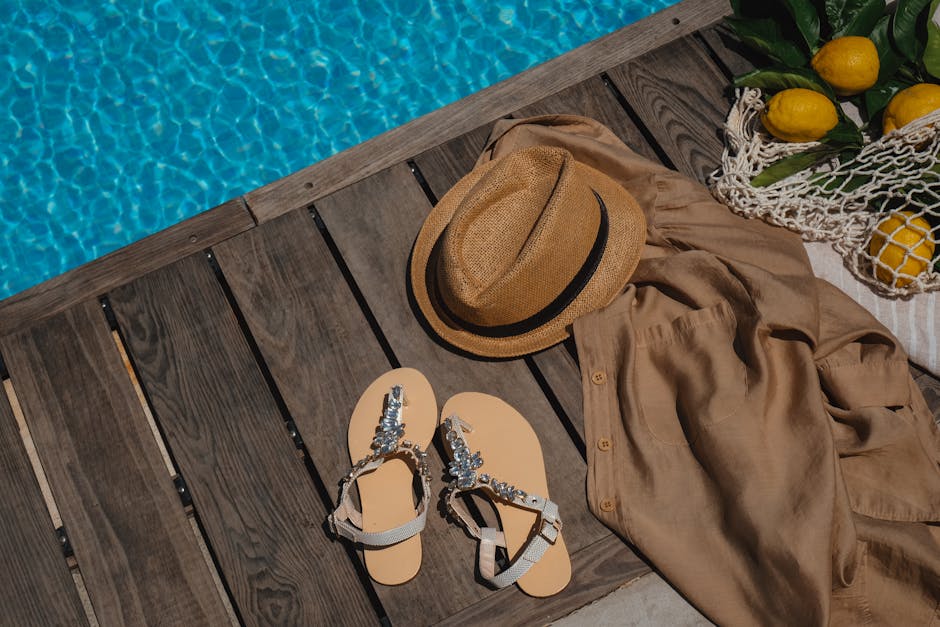
- Buying sandals after you arrive. Tourist areas near the Colosseum, Rialto Bridge, and Ponte Vecchio sell sandals that look authentic. Most are manufactured for appearance, not sustained walking. The handmade leather sandals advertised in Capri and along the Amalfi Coast are genuinely beautiful — and built for resort cobbles and short evening strolls, not 10-mile city itineraries. If you want quality Italian leather footwear, visit an actual cobbler or established local shop. Expect to pay €100–200 for something that will actually last.
- Ignoring heat-related swelling. Feet expand in heat. A sandal fitted correctly at 9 AM in a cool morning can pinch painfully by 1 PM in August Roman sun. Buy Italy sandals at least half a size larger than your usual fit. If you know your feet swell significantly in heat, go up a full size and adjust straps throughout the day as needed.
- Skipping the break-in period. New sandals — especially leather ones — need real wear time before travel. Walk in your Italy sandals for at least two weeks at home before departure. If you’re buying the week before the trip, choose a brand with a soft synthetic footbed that requires less break-in time, like Teva or FitFlop, rather than stiff raw leather that will punish your feet on day one.
- Choosing a single-strap design. A basic flip-flop or single forefoot band gives your foot nothing to brace against when the ground shifts. On cobblestones, your foot makes constant small lateral corrections — without heel and midfoot straps anchoring the fit, the sandal slides and your toes grip to compensate. That gripping motion is exhausting over distance. Look for designs with at least a heel strap or an adjustable midfoot band in addition to the toe section.
Tip: Avoid Light-Colored Straps
Roman streets — and most Italian historic centers — carry fine black particulate from exhaust and ground stone. White or cream leather straps look gray within a day of real walking. Tan, dark brown, or black straps are more practical for any trip longer than five days. Save the white sandals for the beach resort portion of the trip.
Tip: Pack Compeed Blister Patches
Available at Italian pharmacies (farmacie) but priced roughly double what you’d pay at home. Pack 8–10 patches before you leave. Even broken-in sandals cause unexpected friction in heat, particularly during longer days or when feet have swollen enough to tighten straps that fit loosely in the morning.
When Sandals Are the Wrong Choice for Italy

Sandals are not the universal answer for an Italian trip. Saying so directly is more useful than pretending every situation calls for open-toed footwear.
Choose closed-toe walking shoes instead if any of these apply:
- You have plantar fasciitis. Even excellent sandals don’t match a closed-toe shoe fitted with a proper orthotic insert. Cobblestones force the plantar fascia to do stabilizing work thousands of times per hour — this aggravates fasciitis faster than almost any other common walking surface.
- Your itinerary includes hill towns. Cinque Terre’s coastal trails, Orvieto’s steep streets, and the Amalfi Coast path involve inclines, steps, and irregular terrain where an open sandal is a liability. The Teva Terra Fi 5 ($110) handles moderate trail terrain, but anything requiring real ankle stability belongs in a shoe.
- You’re traveling in spring or autumn. Rome and Milan in October drop to 10–12°C by 8 PM. Open-toed sandals become uncomfortable in the evening within two or three days, which means packing something else anyway — at which point the sandal becomes dead weight for half the day.
- Your itinerary is museum-heavy. Standing on polished marble floors at the Vatican Museums or the Uffizi for four straight hours tests arch support differently than walking — static load rather than dynamic impact. Sandals with good cushioning handle this adequately, but a closed-toe shoe with a removable insole lets you fit custom orthotics for the worst days.
A neutral-colored Hoka Clifton 9 ($145) or New Balance 990v6 ($185) paired with one pair of supportive sandals covers essentially every Italy scenario. The sandals handle warm daytime sightseeing; the shoes take over for evenings, hill towns, and cooler days. Packing both is more practical than betting the entire trip on one footwear category and discovering the limits of that bet on day four.
For most travelers — seven to ten days, mixed city walking and day trips, summer temperatures above 20°C — the Birkenstock Arizona soft footbed handles Italy better than any other single sandal option. It is not a fashion statement. It will still be functional and comfortable on day eight when every choice that prioritized appearance over structure has long since been abandoned in a hotel room corner.