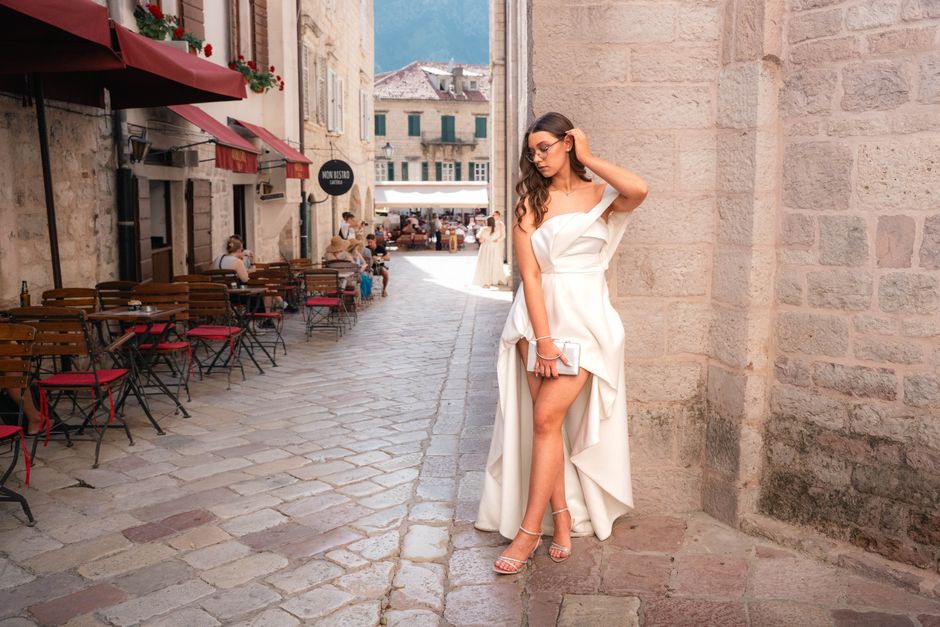
You open the invitation. The location is a beach in Tulum, a vineyard in Tuscany, or a mountain lodge in Colorado. The dress code says “cocktail attire.” You own exactly one cocktail dress, and it’s wool-blend.
Destination weddings create a specific problem: the climate at the venue often conflicts with the clothing you’d normally wear to a stateside ceremony. A silk maxi dress that works for a June wedding in Chicago will turn you into a sweat-soaked mess in Cancún. A linen suit that breathes in the desert will leave you shivering at a 6,000-foot elevation reception. This guide walks through four common destination climates — tropical humid, desert dry, coastal temperate, and mountain cool — and matches them with specific fabrics, silhouettes, and footwear that perform in each environment.
Tropical Humid: The Fabric Trap Most Guests Fall Into
Tropical destinations — Southeast Asia, the Caribbean, coastal Mexico — combine 85°F+ temperatures with 80%+ humidity. The primary failure mode here is choosing a fabric that doesn’t breathe. Satin, polyester, and heavy crepe hold moisture against the skin. Within 30 minutes of arrival, you’ll have visible sweat marks and a dress that clings in all the wrong places.
The fix is two-part. First, choose fabrics with open weaves or natural fibers: 100% linen, cotton voile, or Tencel lyocell. Second, look for garments with intentional ventilation — backless cuts, side slits, or open-shoulder silhouettes. The Reformation Ginny Dress ($248, 100% Tencel) has a smocked back panel and a-line cut that allows airflow while reading as polished. For a jumpsuit option, A.L.C. Mara Jumpsuit ($395, linen-cotton blend) has wide legs and a deep V-neck that keeps air moving.
Shoes are the second trap. Heels sink into sand. Strappy sandals with thin straps dig into swollen feet. The better choice: a block-heel espadrille or a flat leather sandal with ankle support. Loeffler Randall Camila Sandal ($295) has a 2.5-inch block heel and a leather footbed that won’t slip on grass or sand. For a flat option, the Mango Flat Espadrille ($50) uses jute soles that grip loose surfaces.
One more rule: avoid dark colors in direct sun. Black and navy absorb heat. A light pink, sage green, or ivory midi dress will keep you 5–10°F cooler in direct sunlight.
Desert Dry: The Layering Math That Actually Works
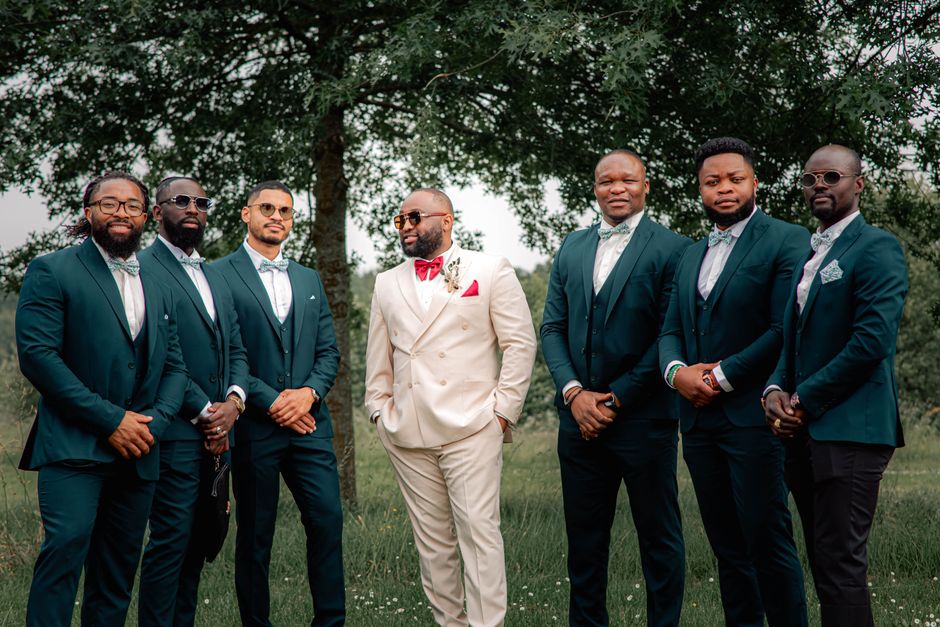
Desert weddings — Palm Springs, Sedona, Marrakech — have a temperature swing problem. Daytime hits 95°F. Evening drops to 55°F. The ceremony at 4 PM is in brutal sun. The reception at 8 PM is under string lights with a breeze. A single garment cannot cover both.
The solution is a three-piece system: a base dress or separates, a lightweight topper, and a shoe that works on both packed sand and dance floors. The base should be a midi or maxi dress in a heavy natural fiber that drapes well and doesn’t wrinkle. Eileen Fisher Linen Midi Dress ($298) is a reliable choice — 100% linen, relaxed fit, hits below the knee. It reads as intentional, not sloppy, because the weight of the fabric gives structure.
The topper is the critical piece. A cropped linen blazer or a wide-leg duster cardigan adds warmth without bulk. Mango Linen Blazer ($120) has an unlined construction that layers over the dress without adding heat. For cooler evenings, a pashmina or cashmere wrap works, but only if it’s 100% wool or cashmere — acrylic wraps pill and slide off shoulders.
Shoes: avoid open-toe heels. Desert sand gets into everything. A closed-toe block-heel pump or a leather loafer keeps debris out. Sam Edelman Hazel Pump ($130) has a 2-inch block heel and a leather upper that won’t pick up dust.
Coastal Temperate: The Wind and Fog Factor
Coastal destinations — California coast, Amalfi Coast, Greek islands — look idyllic in photos. The reality is persistent wind, fog banks rolling in at sunset, and temperature drops of 15°F within an hour. A sleeveless dress will be comfortable at 4 PM and unwearable by 7 PM.
The primary failure mode here is underestimating wind. A-line skirts and wide-leg pants catch gusts and become sails. Fitted silhouettes — sheath dresses, column skirts, tailored trousers — stay put. H&M Conscious Column Dress ($70, recycled polyester) has a body-skimming fit and a midi length that won’t billow. For separates, consider a silk camisole tucked into a high-waisted wide-leg pant in a heavy crepe — the weight of the pant fabric keeps it from flapping.
Footwear needs grip. Cobblestone paths, wet grass, and wooden decks are common. A stiletto heel is dangerous. A block heel or wedge with a rubber sole is safer. Clarks Leisa Loafer ($110) has a 2-inch block heel and a rubber outsole that grips wet surfaces. For a dressier option, Naturalizer Marianne Pump ($130) uses a 2.5-inch block heel with a non-slip bottom.
Bring a structured jacket or coat. A cropped leather jacket or a tailored trench works over most silhouettes. Avoid cardigans — they blow open and look sloppy.
Mountain Cool: The Elevation Rule Nobody Mentions
Mountain weddings — Colorado, Switzerland, Patagonia — sit at 5,000–10,000 feet. At that elevation, UV radiation is 30–50% stronger than at sea level. You will sunburn through a thin dress even on a cloudy day. And the temperature at 8 PM can hit 40°F even in summer.
The base layer should be a long-sleeve midi or maxi dress in a heavier fabric — wool crepe, ponte knit, or a thick viscose blend. Universal Standard Ponte Dress ($135) is 70% viscose, 25% nylon, 5% elastane — it has stretch, holds its shape, and blocks wind. For a more formal option, Rebecca Taylor Wool Crepe Dress ($495) has a fitted bodice and A-line skirt that layers well.
Over that, add a blazer or a long cardigan in a matching or complementary color. The goal is to create a cohesive look that works with and without the outer layer. J.Crew Wool Blazer ($198) in navy or charcoal pairs with most dress colors.
Footwear: closed-toe, warm, with grip. A leather bootie with a 2–3 inch heel is the best option. Blondo Valli Bootie ($190) is waterproof, has a 2.5-inch block heel, and looks polished under a midi dress. Avoid suede — it stains in mud or snow.
Packing Strategy: The 4-Piece Capsule That Covers All Climates
If you’re attending multiple destination events in one trip — welcome dinner, ceremony, reception, farewell brunch — you need a system, not a single outfit. Here’s a packing strategy that works across all four climates with minimal luggage space.
| Item | Fabric | Works For | Approx. Price |
|---|---|---|---|
| Midi slip dress (satin or Tencel) | Tencel or silk | Tropical, coastal, desert | $80–$250 |
| Cropped linen blazer | 100% linen | Desert, coastal, mountain | $100–$200 |
| Wide-leg trousers (heavy crepe) | Viscose or wool blend | Coastal, mountain | $90–$200 |
| Block-heel sandal or bootie | Leather | All climates | $100–$300 |
Mix and match: the slip dress works alone for tropical, with the blazer for coastal, with trousers underneath for mountain. The trousers pair with the blazer for desert evening. The shoes work everywhere. This 4-piece system fits in a carry-on and covers every climate except extreme cold (below 40°F).
When to Break the Rules: Three Exceptions
Not every destination wedding requires climate-specific dressing. Three situations where you can ignore most of the above advice.
Indoor venues with AC. If the ceremony and reception are entirely indoors with climate control — a resort ballroom, a hotel conference center — the climate outside doesn’t matter. Wear whatever you’d wear to a standard wedding in your home city. The venue will handle temperature.
Black-tie dress code. Some destination weddings still require formalwear. In that case, fabric choice becomes secondary to silhouette. A floor-length gown in a heavy satin or velvet will be hot, but the formality requirement overrides comfort. Choose a gown with an open back or a slit to mitigate heat.
You’re local to the climate. If you live in the destination city, you already know what works. Don’t overthink it. Wear what you’d wear to a local event in that season. The advice here is for travelers who don’t have that local knowledge.
For everyone else, start with the climate, then match the dress code. Fabric and silhouette decisions made before you pack will save you from buying a $150 dress at the resort gift shop that you’ll never wear again.