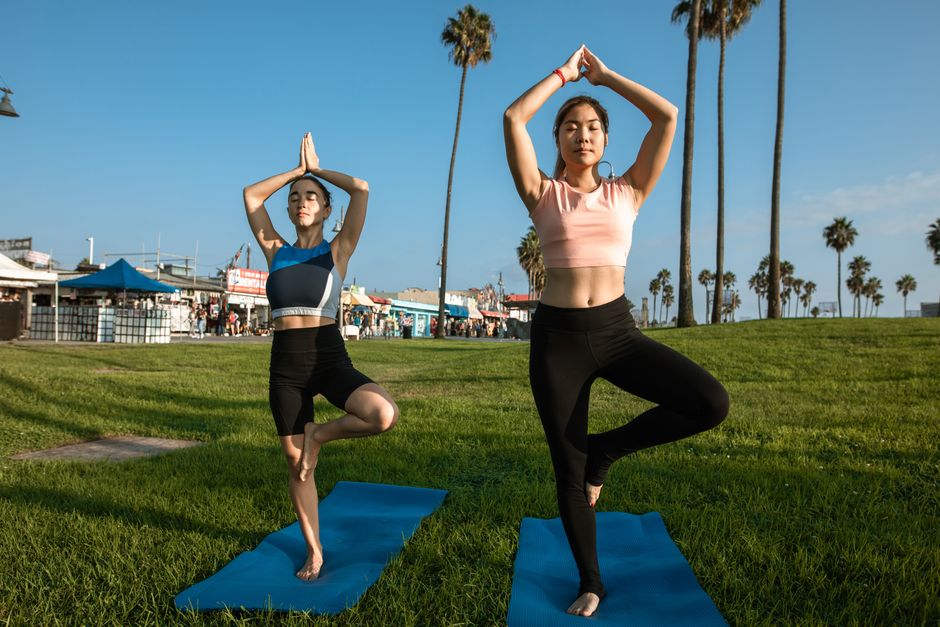
At 160 steps per minute, a 90-minute run creates about 14,400 repeated movement cycles. That is plenty of time for a loose band to start riding up, a strap to dig into your shoulder, or a damp seam to turn into a painful rub.
April makes the problem harder. Cool starts can become warm, sweaty finishes, and a light rain can leave a slow-drying bra heavy against your skin. The fix is not simply choosing the tightest bra on the rack. You need the right mix of band tension, cup control, strap adjustment, fabric, and fit for the distance you plan to run.
Why long runs expose sports bra support problems
Support comes from control, not compression alone
Breast movement during running is not limited to up-and-down bounce. The body also moves forward, backward, and side to side. A useful running bra controls that motion with either compression, encapsulation, or both. Compression presses tissue close to the chest. Encapsulation gives each breast a separate cup and reduces side-to-side movement. For longer runs, a dual approach usually feels steadier because the bra does not need to rely on one stretched panel.
The band should stay level after an hour
The bottom band carries much of the load. When it rides toward your shoulder blades, the straps take over and begin to pinch. Start a long-run fitting by fastening the bra on the loosest hook, if it has hooks, and raising both arms. The band should remain level and secure without making it hard to breathe. Walk, jog in place, and twist your torso for two minutes before judging the fit. A bra that feels perfect while standing still can fail once sweat and repeated impact soften the fabric.
My clear rule: if the band moves more than about 2.5 centimetres during a short test, reject the bra. A fashionable back design cannot rescue a shifting foundation.
How to fit a sports bra for a 90-minute run
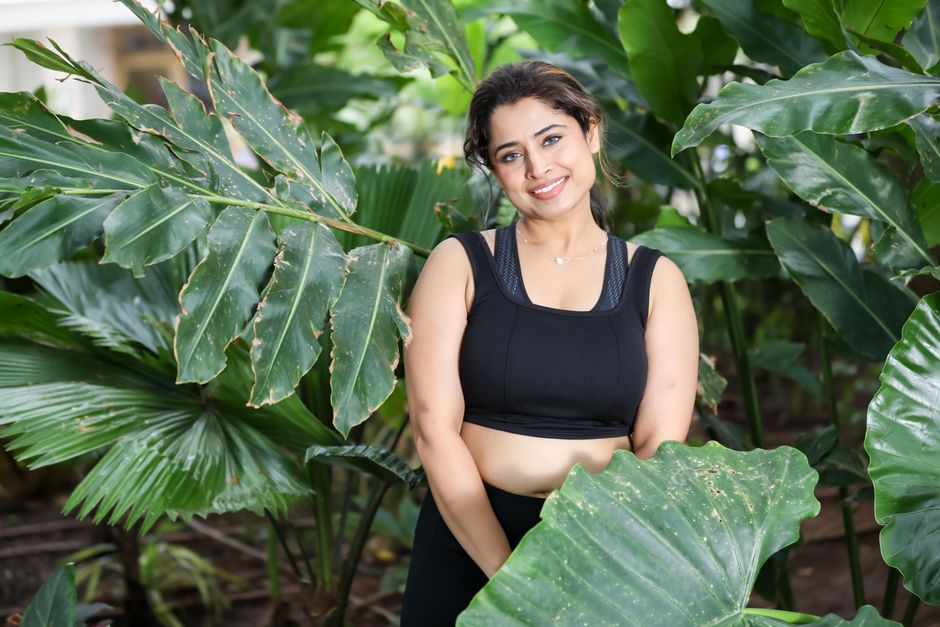
Use this five-step fitting check in a changing room or at home before removing tags. Wear the thin running top you usually put over the bra, since extra layers can hide pressure points.
- Measure the ribcage. Place a soft tape directly under the bust. Keep it level and record the measurement after a normal exhale.
- Check the cups. Tissue should sit inside the cup with no bulging at the top, sides, or underarm. Wrinkles can signal extra space or a stretched fabric panel.
- Test the band. Slide two fingers under the back band. You should feel firm tension, not a gap large enough to pull away from the body.
- Adjust the straps. Set them snugly enough to prevent bounce, then raise both arms. They should not leave deep grooves after two minutes.
- Copy the run. Jog, swing your arms, bend forward, and rotate your shoulders. Look for rolling, chafing, and breast movement before buying.
Use the two-finger test correctly
The two-finger test is a starting point, not a pass by itself. A very stretchy band may allow two fingers underneath while still failing during a long run. Pull the band gently away from your back. About 2.5 to 5 centimetres of movement is reasonable; more suggests the band is too large or the elastic is too soft.
Do not size down to fix bounce
A smaller size can create a new problem: flattened cups, restricted breathing, and shoulder pain. Try a firmer design or a different cup shape first. Runners with a narrow ribcage and fuller bust often need a bra with separate band and cup sizing instead of a simple small, medium, or large label.
Five supportive sports bras compared

The table below uses US prices and product details checked in 2026. Prices can change with colour and size, but the support features show how each bra solves a different long-run problem.
The quick comparison
What the price difference buys
Do not pay more for a decorative back or soft lounge fabric. Pay for a band that stays level, cups that contain movement, and straps you can adjust while wearing a race singlet.
The best long-run bra depends on the problem you need to solve
My long-run winner is the Lululemon Run Times Bra High Support for runners who want one dependable bra across weekly mileage. It gives fuller-bust runners more structure than a simple compression crop without forcing everyone into an underwire.
Best for fuller busts and maximum control
The separate cups and underwire support each breast instead of pressing everything flat. The tradeoff is clear: it takes longer to fit, and some runners dislike underwire during hot weather. For a half-marathon training block, its control is worth that extra fitting work.
Best for padded coverage and a firm feel
It comes in A to C and D to DD cup ranges and works well under close-fitting running tops. It is the best pick for runners who want coverage and shape without a separate cup-and-band system.
Best for moderate support
Brooks rates it medium support, so it is not my pick for a high-bounce fuller bust or a hard 20-kilometre session. That honest limit is a strength: a comfortable medium-support bra beats an overly tight high-support bra that you stop wearing.
Why good-looking sports bras fail on longer runs
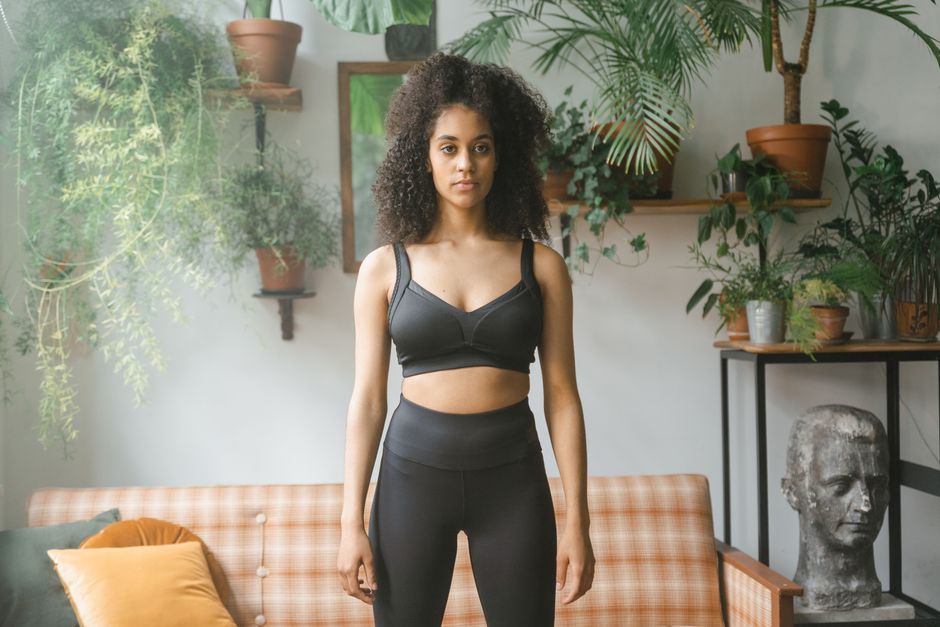
A sleek back and bright colour can hide weak support. Before buying, test the bra against the specific failure that has ruined your past runs.
Why does the band ride up?
The band is probably too large, too loose, or worn out. Do not tighten the shoulder straps to compensate. That lifts the band farther from your ribcage and shifts the load onto your neck. Try a smaller band with the same cup volume, or replace the bra if the elastic has lost its snap. A bra that worked last spring may not work this April after repeated washing and heat drying.
Why do straps and seams hurt?
Strap pain usually comes from using the straps to create support that the band should provide. Seam pain often comes from wearing the wrong size or starting a long run in a new bra. Test every new bra on a 30-minute easy run first. Never debut it on race day or during a 90-minute session. If the bra only works after applying heavy anti-chafe balm, it is the wrong bra for you.
When should you not buy a high-support bra?
Skip high-support construction for low-impact strength training, short walks, or easy runs where it restricts breathing and shoulder movement. Also skip a bra with features you will not maintain, such as hand-wash-only fabric if you need to wash running kit after every session. The best practical choice is the model you can fit correctly, wash properly, and wear for the entire distance.
Final verdict: choose by distance, fit, and weather
For April training, start with the band, then check cup control, then assess drying time. Brand reputation matters less than a level band after 60 minutes of movement. The comparison below gives the shortest route to a decision.
My picks at a glance
For most runners, the Lululemon Run Times is the safest starting point. For the strongest bounce control, choose Panache. For a lighter, less restrictive experience, choose Brooks. Fit the bra with the same care you use to choose running shoes, and April’s changing weather becomes a clothing problem you can solve before the first mile.